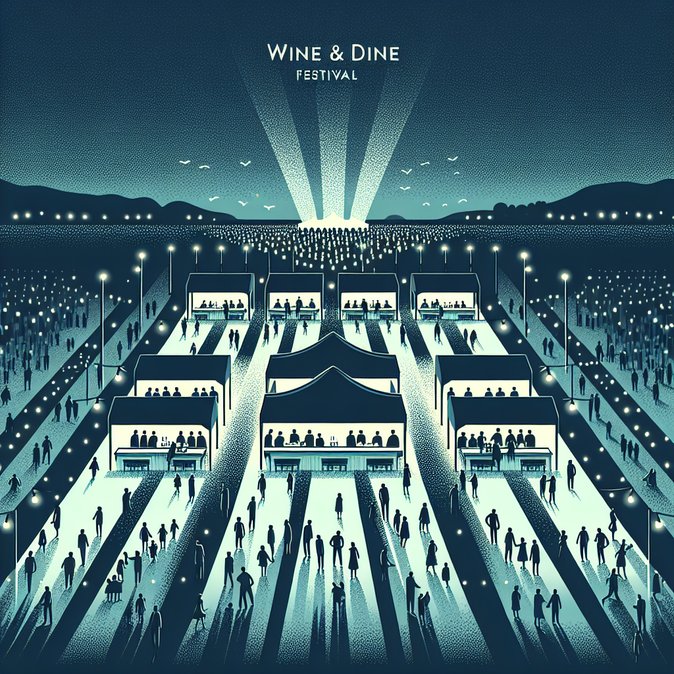
Hong Kong’s flagship Wine & Dine Festival opened on 23 October at Central Harbourfront, marking the city’s biggest in-person culinary fair since pre-pandemic days. Organised by the Hong Kong Tourism Board (HKTB), the four-day extravaganza features 300 booths and extended midnight closing hours—a first designed to capture after-work traffic. Chairman Peter Lam hailed the event as proof that scrapping wine duties in 2008 had made the city “Asia’s cellar,” while Chief Secretary Eric Chan encouraged visitors to “party until the stars fade.”
The festival’s new focus on boutique Chinese labels reflects Beijing’s drive to internationalise domestic vintners and aligns with HKTB’s pivot toward mainland high-spending segments. Corporate travel planners report brisk group-booking enquiries from regional law firms and tech companies combining incentive travel with the show’s masterclasses and waterfront networking venues.
Economists predict the festival could inject HK$250 million in direct spend, providing a litmus test for Hong Kong’s “mega-event economy” blueprint unveiled in the 2025 Policy Address. Hoteliers along the harbourfront are running at 92 % occupancy, while MICE operators have bundled Wine & Dine tickets with October trade fairs such as Mega Show Part 1, driving average daily room rates up 18 % week-on-week.
Practically, inbound travellers should anticipate heavier evening traffic around Central Ferry Piers and book restaurant slots early; last year’s walk-up lines exceeded 45 minutes. Employers with alcohol-testing compliance policies are reminding staff attending corporate tastings to arrange safe transport back to hotels.
From a mobility-policy angle, the festival underscores Hong Kong’s reliance on seamless visa-free entry for 170+ jurisdictions; any tightening—such as the EU’s forthcoming ETIAS scheme—could dent visitor numbers for similar events.
The festival’s new focus on boutique Chinese labels reflects Beijing’s drive to internationalise domestic vintners and aligns with HKTB’s pivot toward mainland high-spending segments. Corporate travel planners report brisk group-booking enquiries from regional law firms and tech companies combining incentive travel with the show’s masterclasses and waterfront networking venues.
Economists predict the festival could inject HK$250 million in direct spend, providing a litmus test for Hong Kong’s “mega-event economy” blueprint unveiled in the 2025 Policy Address. Hoteliers along the harbourfront are running at 92 % occupancy, while MICE operators have bundled Wine & Dine tickets with October trade fairs such as Mega Show Part 1, driving average daily room rates up 18 % week-on-week.
Practically, inbound travellers should anticipate heavier evening traffic around Central Ferry Piers and book restaurant slots early; last year’s walk-up lines exceeded 45 minutes. Employers with alcohol-testing compliance policies are reminding staff attending corporate tastings to arrange safe transport back to hotels.
From a mobility-policy angle, the festival underscores Hong Kong’s reliance on seamless visa-free entry for 170+ jurisdictions; any tightening—such as the EU’s forthcoming ETIAS scheme—could dent visitor numbers for similar events.
Source : South China Morning Post
Comment VisaHQ peut vous aider
VisaHQ simplifie la demande de visa pour les particuliers et les entreprises. Consultez les exigences de voyage en vigueur, préparez les documents nécessaires et gérez votre demande en ligne via le portail VisaHQ Hong Kong.Plus de Hong Kong
Voir tout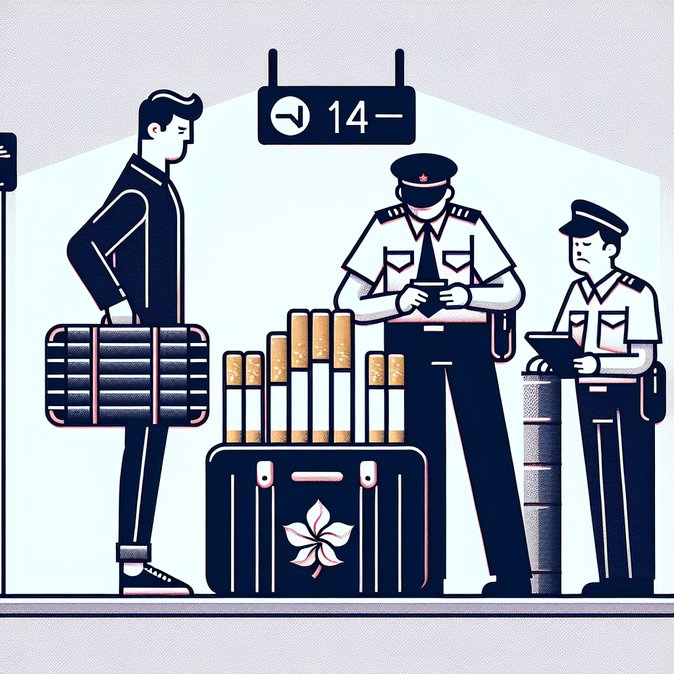
Traveller Jailed for 20,700 Illicit Cigarettes, Signalling Tougher Crack-down on Duty Evasion at HKIA
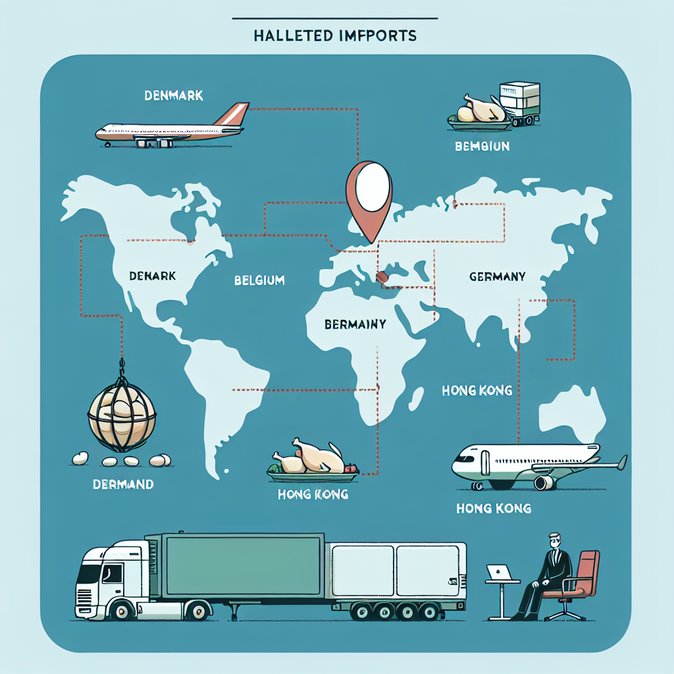
Hong Kong Suspends Poultry Imports from Denmark, Belgium and Germany over H5N1—Food Traders Urged to Reroute Cold-Chain Logistics