Italy urges citizens to leave Mali as fuel blockade and insurgent threat escalate
USCIS switches to 100 % e-payments for all immigration filings starting today
Spain Moves Entry/Exit System Launch Forward to 2 February 2026
Latest News

Human Rights Commissioner Slams Secret Deportation of Non-Citizen to Nauru
Australia has secretly deported the first non-citizen to Nauru under a 30-year, A$2.5 billion pact, prompting the Human Rights Commissioner to warn of legal and ethical breaches. The move highlights Canberra’s willingness to outsource difficult migration cases and could foreshadow more offshore transfers. Companies employing foreign nationals should prepare for a more aggressive enforcement stance.

Beijing Unveils Plan for Dedicated Hi-Tech Talent Immigration System
The 15th Five-Year Plan unveiled on 29 October promises a dedicated immigration system for hi-tech talent, building on this month’s launch of the K-visa for young STEM graduates. The coming framework will streamline entry, residence and work rights for foreign scientists, giving multinationals and universities faster access to global expertise and a clearer route to long-term residence.
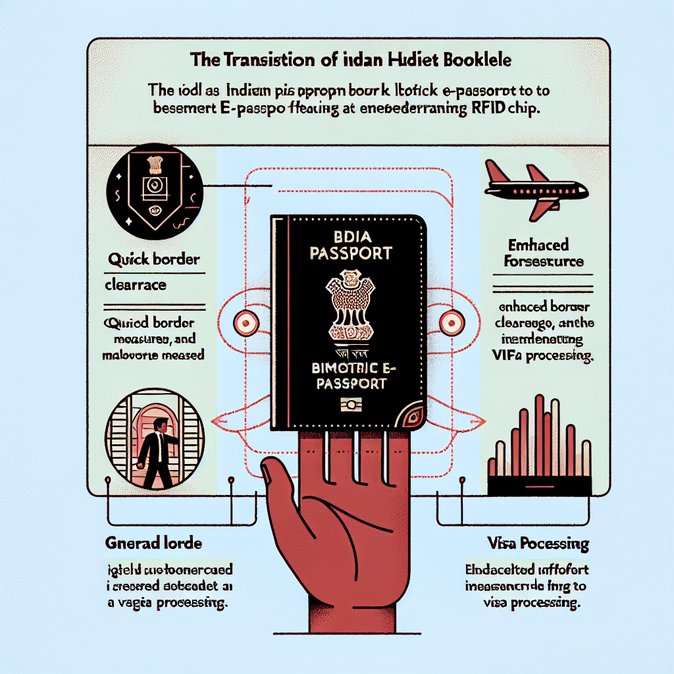
Indian Embassy Rolls Out Chip-Enabled E-Passports for UAE Residents
Effective 28 October, all Indian passport renewals in the UAE will be issued as biometric e-passports featuring an embedded RFID chip. Older booklet and machine-readable passports remain valid, but employers and travellers are urged to plan for the transition. The upgrade promises faster border clearance, tougher anti-forgery protections and smoother third-country visa processing—critical benefits for the UAE’s largest expatriate population.

Wallonia updates work-permit guidance for foreign employees ahead of 2026 quota cycle
Wallonia’s labour ministry refreshed its online procedure for hiring third-country nationals, aligning exemption lists with other Belgian regions and clarifying document templates. The guidance, dated 29 October 2025, affects single-permit and Type B applications and is critical for employers planning 2026 deployments.

British Red Cross warns refugee family-reunion overhaul could separate 4,900 families
A British Red Cross report released on 29 October warns that planned Home Office reforms to refugee family-reunion visas could affect at least 4,900 families and 6,300 children, many of them unaccompanied. Stricter income, accommodation and language requirements risk forcing people into dangerous journeys and hindering integration, the charity says.
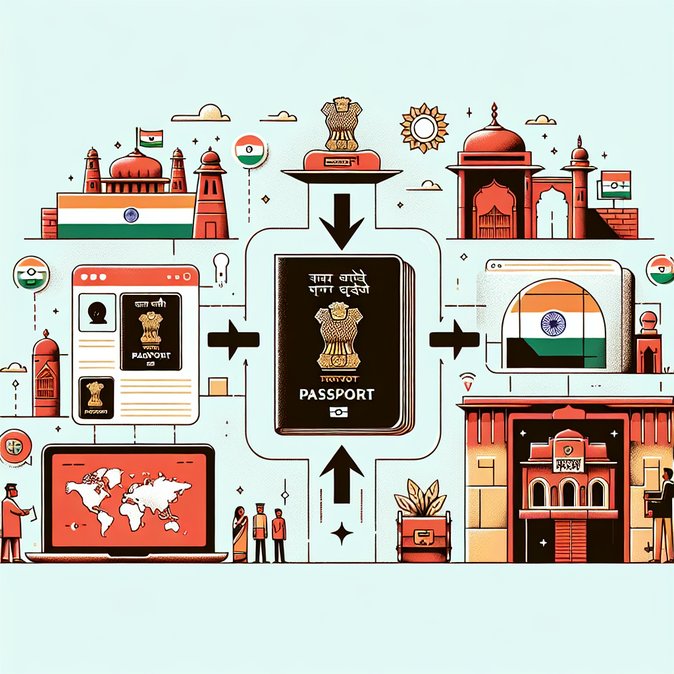
Indian Embassy in UAE Rolls Out Chip-Enabled E-Passports Under Passport Seva 2.0
From 28 October 2025, all Indian passport applicants in the UAE will receive chip-enabled e-passports under India’s Passport Seva 2.0 programme. The RFID-equipped booklets dramatically improve security and cut wait-times at immigration, while a new portal allows 100 % online submission. The change benefits 3.5 million Indian expatriates and signals India’s push toward fully digital travel documents, with positive implications for corporate mobility and potential future visa-waiver talks.

Hong Kong issues cross-boundary travel advisory for Chung Yeung Festival
Hong Kong’s Transport Department expects record traffic at all land crossings on 29 October and has activated contingency measures: extra shuttle buses, police lane controls and continuous real-time updates on the “Easy Boundary” platform. Companies and travellers are urged to leave additional travel time and avoid peak periods. The advisory underscores ongoing pressure on the city’s cross-border infrastructure as mobility rebounds.

Frankfurt Airport Begins Roll-Out of EU Entry/Exit System, Retires Passport Stamps
Frankfurt Airport has started live testing of the EU’s biometric Entry/Exit System, replacing passport stamps with self-service kiosks that collect fingerprints and facial images. The scheme will be phased in nationwide within six months and fully across Schengen by April 2026, affecting all non-EU business and leisure travellers. Companies should expect initial delays and tighten travel-tracking processes to avoid over-stay penalties.

UK launches consultation to extend Right-to-Work checks to gig-economy hiring
A Home Office consultation published on 29 October proposes extending mandatory Right-to-Work checks to gig-economy and zero-hours workers. Employers in sectors such as delivery, construction and beauty will have to verify immigration status before engaging casual labour, with significant compliance and cost implications for mobility and HR teams.