Austria, Bulgaria and Kazakhstan agree closer cooperation on border security and return operations
24-Hour Nationwide Airport Strike Grounds All Passenger Departures in Belgium
China Clarifies Regional Visa-Free Entry Rules and Expands 240-Hour Transit Scheme
Latest News

Chung Yeung surge sends Hong Kong’s daily border traffic to 1.32 million
Immigration Department figures released on 19 October confirm that Hong Kong processed 1.32 million passenger movements on Sunday, the highest daily total since 2019. The Chung Yeung holiday rush saw Lo Wu, Lok Ma Chau Spur Line and the revamped Huanggang Port absorb the bulk of the load. Business travellers face rising congestion risk on overlapping SAR–mainland holidays and are urged to pre-enrol for e-Channel and monitor the Security Bureau’s real-time border app.

Australia upgrades Saudi Arabia travel advisory to 'Do Not Travel' as security risks escalate
DFAT’s Smartraveller service upgraded Saudi Arabia to “Do Not Travel” on 19 October 2026, citing drone strikes and regional instability. The change voids most travel-insurance cover and forces Australian employers to halt or radically modify assignments in the kingdom. Companies should activate evacuation and remote-working plans and expect limited consular help.

UK unveils sweeping 2026 Immigration Rule overhaul ahead of Erasmus+ re-entry
The Home Office has published Statement of Changes HC 584, ushering in a multi-stage overhaul of the Immigration Rules from 8 October 2026. Key elements include a bespoke visitor route for Erasmus+ exchanges, new protections for Skilled Workers who become modern-slavery or domestic-abuse victims, and technical fixes to the EU Settlement Scheme and Hong Kong BN(O) route. Businesses must adapt sponsorship processes and student budgeting ahead of phased implementation.

Huanggang Port sets new record with 152,000 crossings and two-hour queues
The rebuilt Huanggang Port handled 152,000 passenger trips on 18 October, its busiest day to date, with some travellers waiting up to two hours. Full activation of crowd-control protocols kept the situation under control, but the incident highlights continuing operational kinks and the importance for business travellers of selecting the right checkpoint and pre-enrolling for e-gates.

Polish Border Guard rounds up visa-violators in multi-region sweep
Poland’s Border Guard detained Ukrainian, Colombian, Indian, Uzbek and Pakistani nationals in a 19 October sweep targeting immigration and labour-law violations. Offenders face immediate removal and re-entry bans, underscoring Poland’s strict enforcement environment and the need for employers to maintain flawless visa and work-permit compliance.
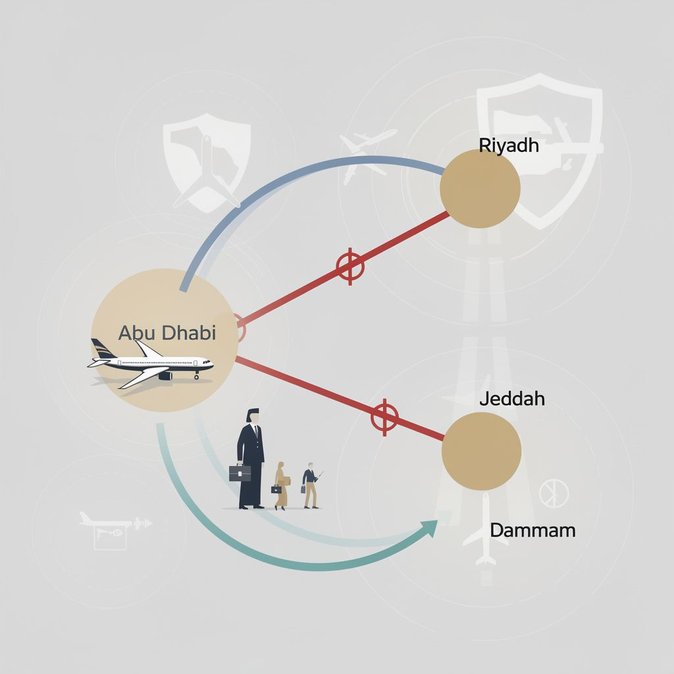
Etihad extends Abu Dhabi–Saudi flight cancellations to 24 October amid regional security risks
Etihad Airways has cancelled all Abu Dhabi flights to Riyadh, Jeddah and Dammam through 24 October, extending a security-related suspension first imposed after attacks on Saudi airports. Business travellers must reroute via other GCC hubs, and companies are revisiting contingency plans and war-risk insurance. The case underscores how regional tensions can swiftly impact UAE-based mobility programmes.

DHS Keeps Temporary Protected Status in Place for Ukrainians and Sudanese as Official Decision Looms
Hours before TPS for Ukraine and Sudan was set to expire, DHS told reporters that protections will remain in place pending a formal decision. The move prevents the immediate loss of work authorization for about 246,000 employees and spares U.S. firms from sudden staffing gaps. An official Federal Register notice extending TPS is still expected; HR and compliance teams should closely monitor for new EAD validity dates.

French-Language Express Entry Draw Issues Record 5,000 ITAs at CRS 435
Canada invited 5,000 French-speaking Express Entry candidates on 16 October – the largest Francophone-targeted round of 2026 – with a CRS cut-off of 435. The draw strengthens Ottawa’s push to boost Francophone immigration outside Quebec and gives employers a faster path to retain bilingual talent without LMIA costs.

Express Entry Draw #450 Issues 5,000 Invitations to French-Speaking Candidates
In its third federal draw of the week, IRCC invited 5,000 French-speaking Express Entry candidates at a CRS cut-off of 435. The large invitation round advances Canada’s goal of boosting Francophone immigration outside Quebec and offers employers a faster path to PR for bilingual talent. Firms with operations in bilingual regions should integrate the policy into recruitment strategies while candidates ensure their French test scores and profiles are up-to-date.

UAE widens Golden Visa to nurses and teachers in latest talent-retention push
Announced on 19 October, the UAE has added nurses, teachers and other skilled front-liners to its 10-year Golden Visa eligibility list. The move gives key workers long-term, self-sponsored residency and supports hospitals and private-school groups that struggle to retain talent. It also feeds into wider economic-diversification and population-growth targets, signalling that the visa is now a strategic labour-market lever, not just an investor perk.
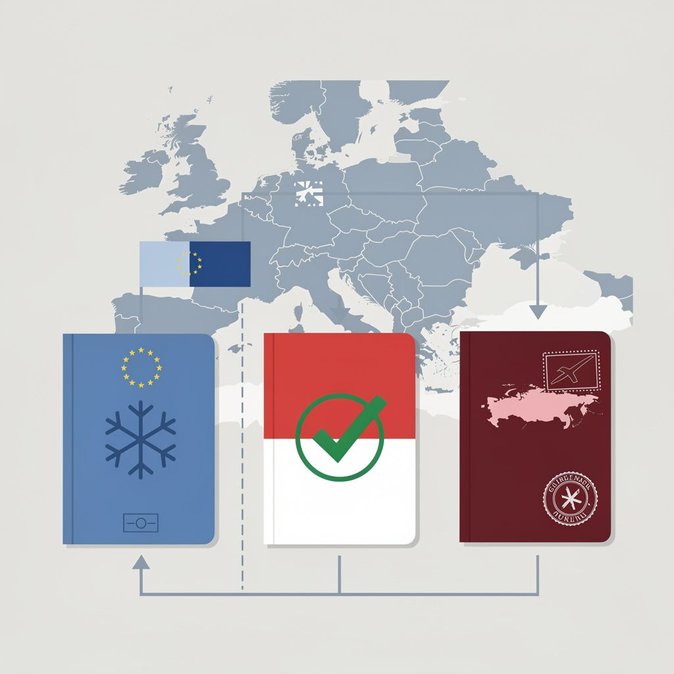
Czech Foreign Minister Rejects Finnish Call for EU-Wide Tourist-Visa Ban on Russians
Czechia will not sign Finland’s request for an EU-wide freeze on tourist visas for Russian citizens, Foreign Minister Petr Macinka said on 19 October 2026. Prague argues that its own strict national controls are sufficient and that an EU consensus is unlikely. While the move does not change Czech practice, it highlights the fragmented visa landscape that companies must navigate when scheduling employee travel within Europe.

Parliament to Debate ‘Fachkräfte-Schnellvisum’ and Retain 50,000-Seat West Balkan Work Scheme
Two Green Party motions filed on 19 October would (1) create a fully digital six-week “Fachkräfte-Schnellvisum” for non-EU talent and (2) keep the 50,000-place West Balkan labour quota intact. If endorsed in early November, the changes could dramatically shorten hiring lead times for German employers and preserve a proven recruitment channel for SMEs.

Spanish Push to Clear Ceuta’s Migrant Backlog Sparks Human-Rights Alarm
Facing an EU deadline and domestic election pressure, Spain has launched an accelerated procedure to clear thousands of migrants still in Ceuta. Rights groups say the shortcuts deny due-process protections and could lead to unlawful returns. The situation highlights operational gaps in the EU’s new Migration Pact and signals potential compliance risks for employers relocating staff under Schengen rules.
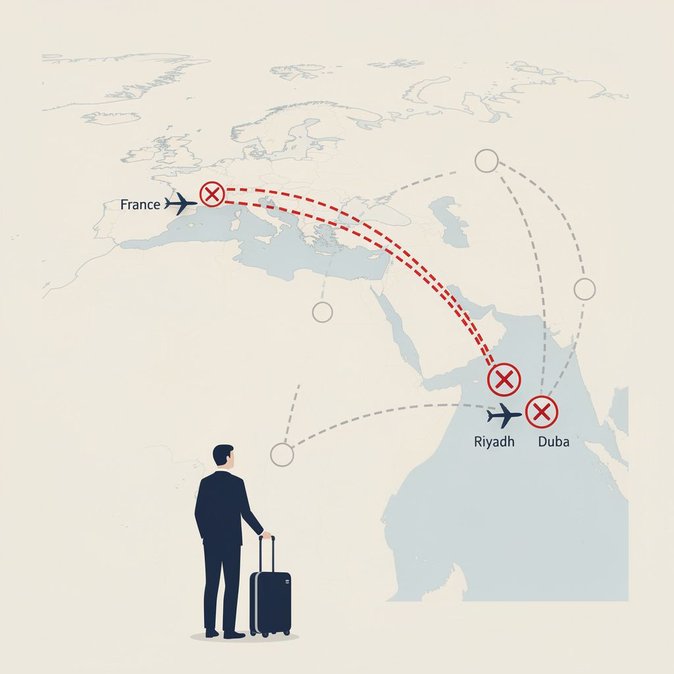
Air France Extends Suspension of Riyadh and Dubai Routes to 31 October
Air France has prolonged its suspension of Paris–Riyadh and Paris–Dubai flights until at least 31 October 2026, citing continuing regional air-space restrictions. The move forces French businesses to re-route staff via alternative hubs, increasing travel time and cost, and highlights the volatility that multinational mobility managers must plan for.

Italy opens pre-filing window for 165,850 foreign-worker quota requests under the 2027 Decreto Flussi
A joint ministerial circular confirms that employers may pre-populate applications for Italy’s 2027 foreign-worker quota from 23 October to 7 December 2026. The decree allocates 165,850 permits across seasonal, non-seasonal and self-employment streams, with click-days scheduled from 12 January to 18 February 2027. The early pre-filing phase helps companies pass compliance checks and secure a place in the fiercely competitive quota before launch.