Indigenous Flotilla Reaches Belém, Testing Brazil’s Border Logistics Ahead of COP30
COP30 Opens in Belém; Brazil Deploys Emergency Airport Plan for 50 000 Delegates
Germany Issues High-Risk Travel Advisory for Brazil, Forcing Corporates to Rethink Itineraries
Latest News
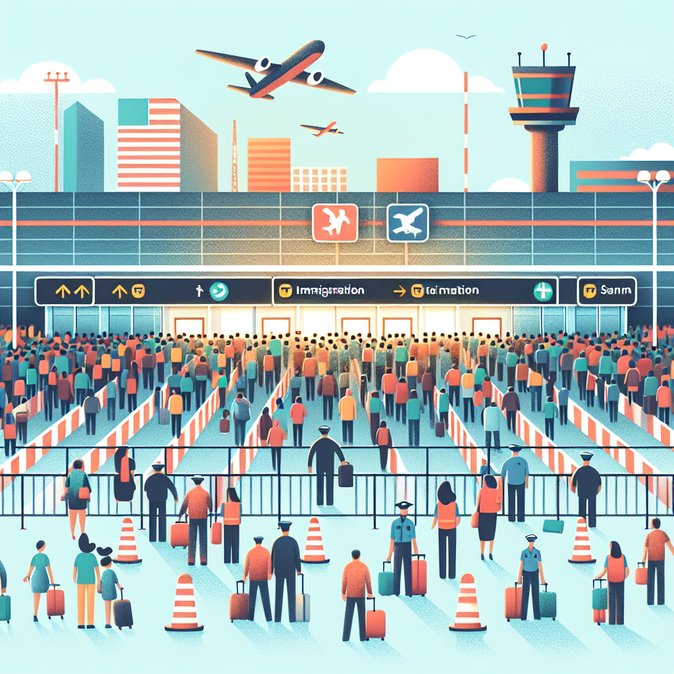
São Paulo Grand Prix Drives Record International Arrivals, Straining GRU Immigration Queues
The 9 November Formula 1 Grand Prix pushed São Paulo’s GRU Airport to record traffic levels, with immigration waits peaking at 42 minutes despite extra staffing. The surge highlights infrastructure pressures ahead of Brazil’s broader visa changes and offers a rehearsal for managing high-volume events.
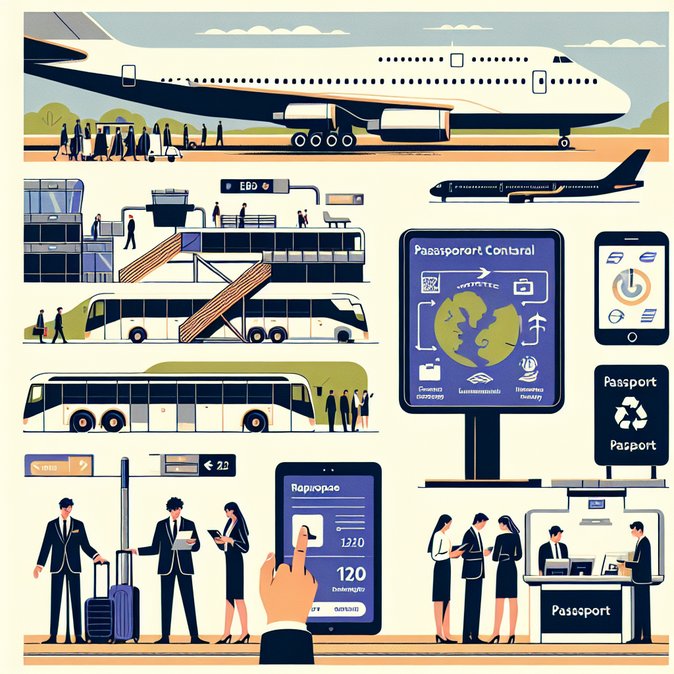
Brazil steps up tourism logistics ahead of COP30: Ministry of Tourism details final plan for 50,000 international visitors
Two days before COP30 opens, Brazil’s Ministry of Tourism unveiled its final logistics and visitor-experience plan. Key measures include 31 international flight rotations, temporary open-skies waivers, 120 electric shuttle buses, app-based e-Visa integration and 30 information kiosks. The plan aims to streamline arrivals, onward travel and emergency support for the 50,000 foreign participants—information that corporate travel managers can act on immediately.

Brazilian health authorities treat first 132 patients at COP30 medical hub; issue travel-health guidance
The Ministry of Health’s first COP30 bulletin shows 132 people treated in Belém, mainly for flu-type symptoms and dehydration. A 24-hour telemedicine service, vaccine-certificate upload via the ‘Saúde COP30’ app and expanded airport thermal screening form the backbone of Brazil’s health-protection strategy for the summit. Employers should ensure travellers have adequate insurance and understand how to access accredited medical posts.
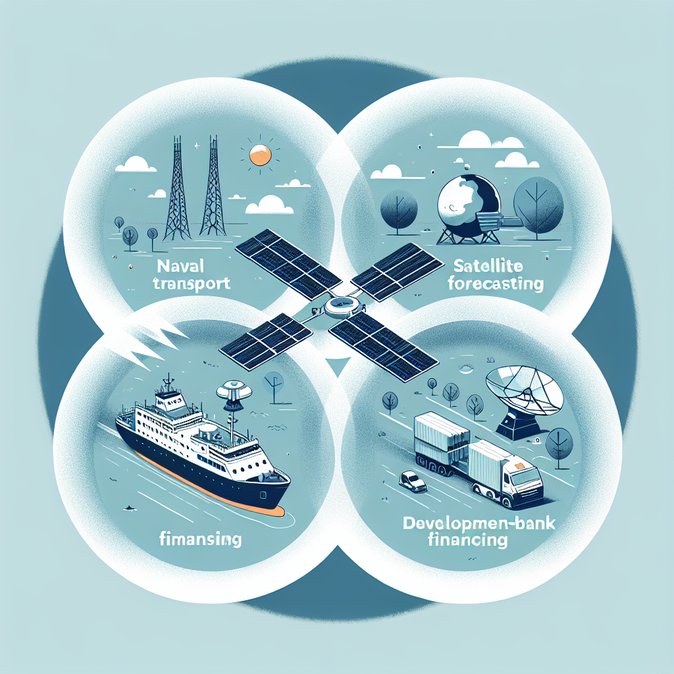
Brazil signs Navy–Science–Bank alliance to speed disaster-response logistics during COP30 and future crises
A three-way protocol signed on 8 November by Brazil’s science ministry, the Navy’s disaster-response unit and BNDES channels R$ 100 million into rapid-deployment logistics. The partnership combines naval transport, satellite forecasting and development-bank financing to ensure faster evacuations and supply deliveries during COP30 and future climate emergencies—promising streamlined customs lanes that could benefit corporate mobility and critical-cargo movements.