Canada Waives Work-Permit Requirement for FIFA-Invited Staff Ahead of 2026 World Cup
Switzerland Keeps 2026 Immigration Quotas Unchanged, Offering Predictability for Employers
Cyprus says it is technically ready for Schengen; aims for full accession in 2026
Latest News

Spain Shortens Arraigo Social Regularization Period to 2 Years
Spain has lowered the continuous-residence requirement for Arraigo Social/Sociolaboral permits from three to two years, effective 19 November 2025. The reform lets employers regularize undocumented staff sooner, helping close skills gaps while reducing compliance risk. HR teams should review employee populations to spot newly eligible cases.

DHS Moves to Rescind 2022 Public-Charge Rule, Signals Return to Broader Discretion
DHS released a proposal to scrap the 2022 public-charge regulation and restore broad officer discretion when assessing whether immigrants might rely on public benefits. The change could complicate green-card planning and benefits counseling for employers and relocation firms.
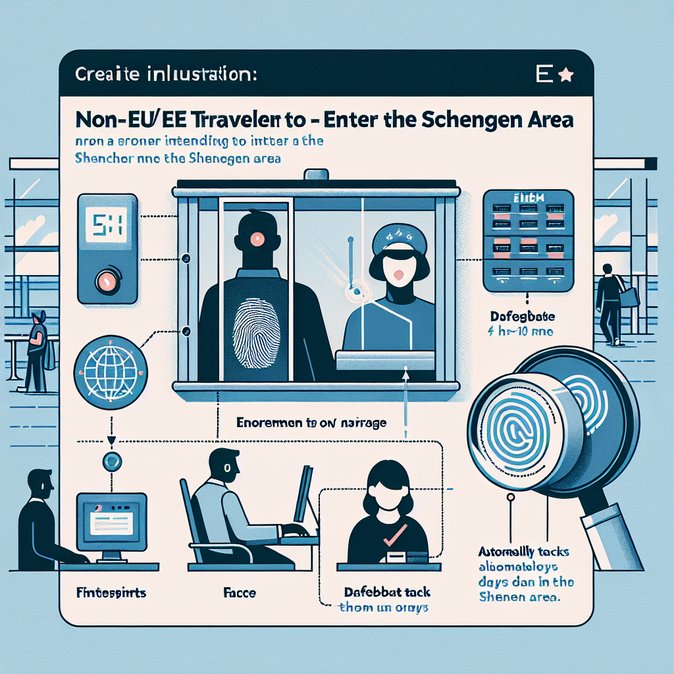
Zurich Airport Launches EU Entry/Exit System With Secunet Biometric Gates
Zurich Airport is the last Swiss hub to activate the EU’s biometric Entry/Exit System. Non-EU/EFTA visitors now enrol fingerprints and a facial image on arrival; data feed an EU database that automatically tracks allowable Schengen days. First-time processing can add up to an hour, forcing companies to adjust connection buffers and day-count compliance systems.

COP30 Summit Spurs Security Perimeter and Fast-Track Visas as Brazil Presses for Early Deal
President Lula’s push for an early COP30 agreement keeps mobility protocols in high gear. Brazil’s e-Visa fast-track, multi-layer traffic cordon and airport slot regime have so far prevented major bottlenecks, but travellers still need sizable buffers. Business-travel teams should monitor NOTAMs and maintain flexible ground logistics until the summit shuts down.
Home Affairs issues urgent Student Visa Integrity Alert after spike in document fraud
On 19 November the Department of Home Affairs warned education providers that forged passports, bank statements and English-test scores are proliferating in Subclass 500 applications, especially from South Asia. Universities risk visa refusals and loss of priority processing if they do not tighten document checks. The alert comes as Canberra escalates measures to cut migration, signalling still tougher oversight ahead.

Reminder: e-Visa Requirement for U.S., Canadian and Australian Tourists Takes Effect 10 April 2025
Brazil reconfirms that citizens of the United States, Canada and Australia will need an e-Visa for arrivals from 10 April 2025. The fully online process takes 48–72 hours, and carriers will deny boarding to travellers without printed confirmation.

Brussels Airport to halt all departures on 26 November as nationwide strike looms
Brussels Airport has pre-emptively cancelled every departing flight scheduled for 26 November because security and ground-staff will join a nationwide strike. Some arrivals could also be scrapped, and major carriers have issued fee-free rebooking waivers. The stoppage is set to disrupt thousands of business-travellers and high-value cargo movements, making advance contingency planning essential.

EU Council green-lights Digital Travel Application, paving way for friction-free border crossings to Finland and rest of Schengen
EU member states endorsed a negotiating mandate for the Digital Travel Application on 19 Nov 2025. The system will let travellers pre-submit passport and biometric data that Finnish border guards can verify before arrival, slashing wait times and dovetailing with ETIAS and the Entry/Exit System. Finnish employers and travel managers should ready their systems to capture the efficiency gains.
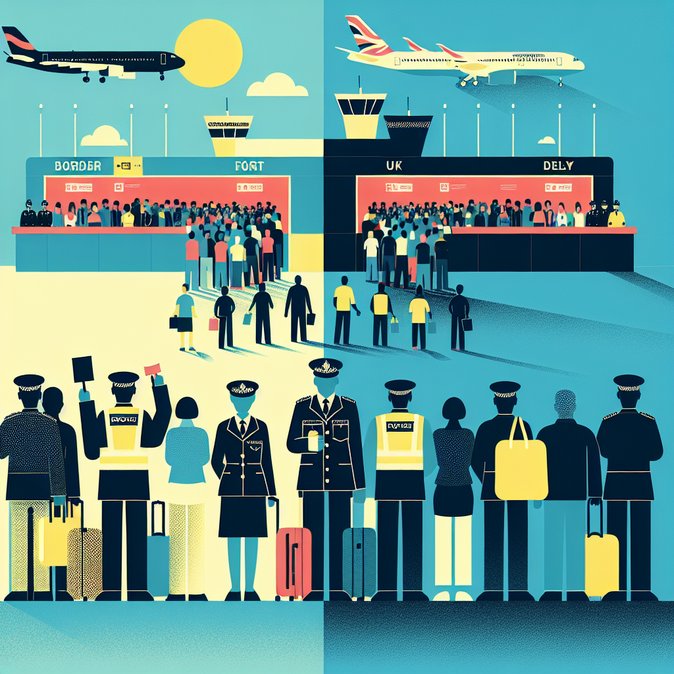
Border Force walk-out triggers nationwide airport delays
More than 1,000 Border Force officers began a pay strike at six major UK airports on 19 November, causing lengthy immigration queues and forcing airlines to hold arriving aircraft. The walk-out could continue throughout the holiday peak, posing material disruption for business travellers and assignees.
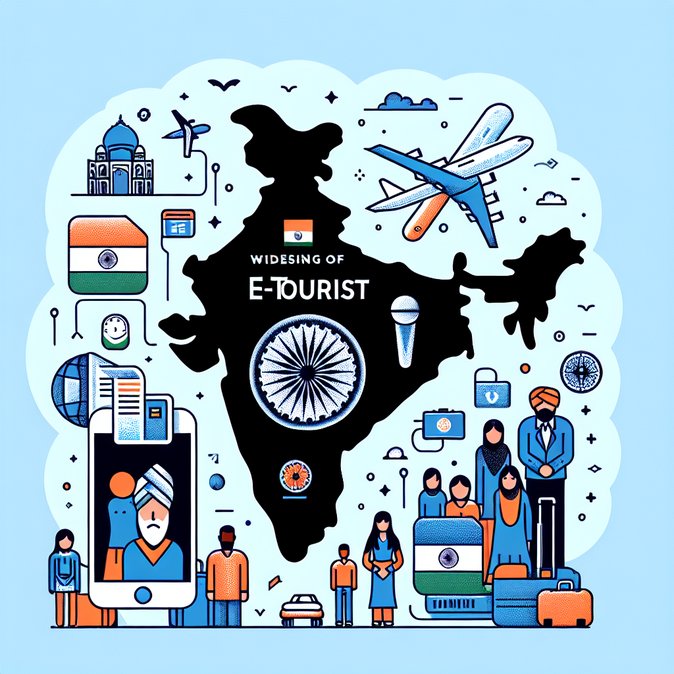
India Expands e-Tourist Visa Scheme to 166 Countries
India has widened its e-Tourist Visa to 166 countries and removed the three-visit cap, allowing multiple entries of up to one year. The reform, posted online on 19 November, adds two more airports, scraps some registration requirements and clarifies use for destination weddings and emergency medical care. The move simplifies travel for clients, assignees and meetings delegates and is expected to boost inbound traffic next quarter.

Italian Parliament Approves Key Immigration Decree, Expanding ‘Flussi’ Quotas & Fast-Tracking Work Permits
The Chamber of Deputies has passed the conversion bill for Decree-Law 146/2025, Italy’s main immigration-quota (Flussi) measure. The text adds 10,000 ‘extra-quota’ places per year and, for the first time, lets babysitters for children up to six be hired outside the ordinary quota cap. Administrative deadlines for nulla osta and contracts of stay are doubled to 15 days, and labour inspectors gain pre-screening powers. The bill now moves to the Senate; employers should ready applications to secure places as soon as quotas open.

Poland shuts Russia’s last consulate in Gdańsk after ‘state-terror’ rail blast
Warsaw has ordered the immediate shutdown of Russia’s last consulate after attributing Saturday’s railway explosion to Russian state actors. The closure deprives Russian nationals in Poland of local consular services and is likely to lengthen visa processing times, complicate cross-border projects and trigger reciprocal restrictions in Moscow. Corporate mobility teams should expect slower paperwork and advise Russian assignees to route urgent matters through the Russian embassy in Warsaw or missions in third countries.

IRCC Data Show 2.2 Million Immigration Files in Process; Backlog Nears One Million
New IRCC figures reveal 2.2 million applications in its inventory and nearly one million cases outside service standards, the largest backlog in a year. The delays hit study-permit, work-permit and PR files hardest, posing planning risks for employers, post-secondary institutions and foreign nationals already in Canada.