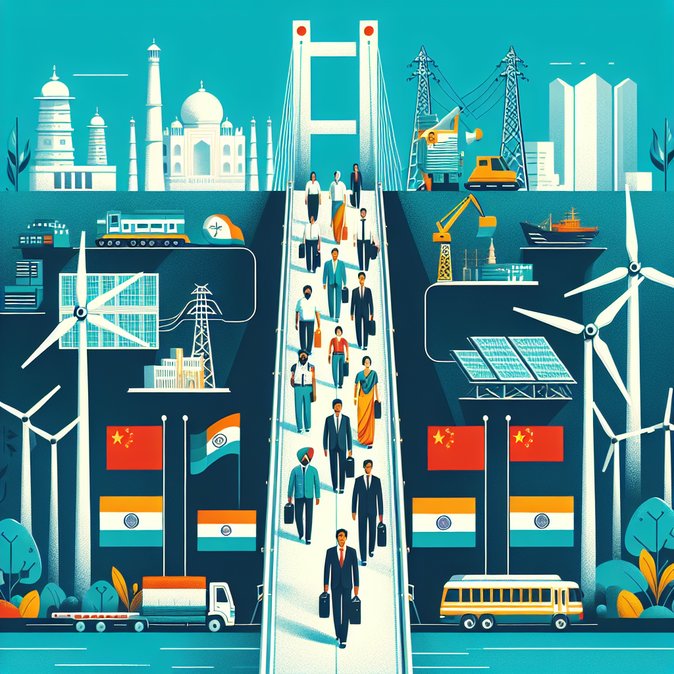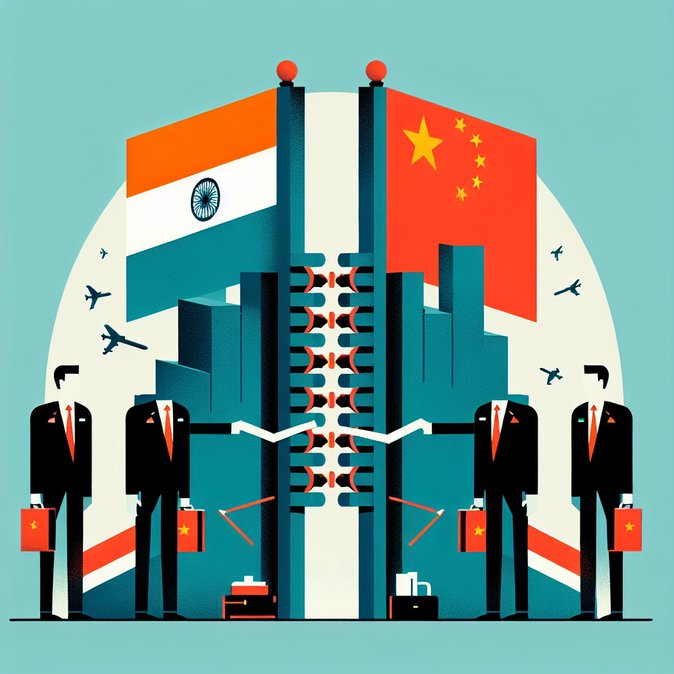
New Delhi has removed an extra layer of security vetting on business visas for Chinese nationals and set a target of clearing applications within four weeks, senior Indian officials confirmed on 12 December. The change follows Prime Minister Narendra Modi’s November visit to Beijing – the first in seven years – and ends a backlog that began after the 2020 border clash.
For Indian manufacturers, especially in electronics and renewable-energy equipment, the bottleneck proved costly. Industry body ICEA estimates production losses of US $15 billion over four years because Chinese technicians could not enter plants to install or service machinery. The streamlined process is expected to help reclaim at least US $4 billion in output in 2026, according to a preliminary Ministry of Commerce note.
![India Fast-Tracks Visas for Chinese Professionals After Five-Year Bottleneck]()
China has welcomed the move as a “constructive step” toward normalising bilateral ties. Direct flights between the two countries, suspended during the pandemic, have gradually returned to 70 % of 2019 levels, and airlines say the visa change could restore full connectivity by next summer schedule.
From a global-mobility standpoint, companies with China-based experts – particularly telecoms, EV-battery makers and photovoltaic firms – should revisit assignment calendars. HR teams can now plan short-term trips to Indian client sites without the two-month buffer previously required for visa paperwork, though security-clearance waivers for installations near sensitive border states remain in force.
Practically, Chinese applicants must still provide a letter of invitation and proof of accommodation, but consular appointments will be granted on a first-come basis rather than passing through an inter-ministerial clearance panel. Multinationals should monitor visa volumes: the Indian missions in Beijing and Shanghai can collectively process 6,000 business visas per month under the new timeline.
For Indian manufacturers, especially in electronics and renewable-energy equipment, the bottleneck proved costly. Industry body ICEA estimates production losses of US $15 billion over four years because Chinese technicians could not enter plants to install or service machinery. The streamlined process is expected to help reclaim at least US $4 billion in output in 2026, according to a preliminary Ministry of Commerce note.
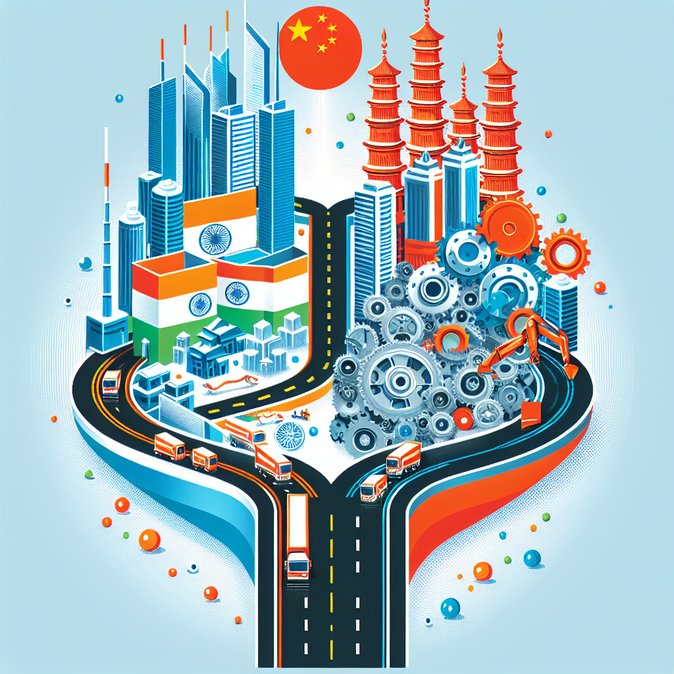
China has welcomed the move as a “constructive step” toward normalising bilateral ties. Direct flights between the two countries, suspended during the pandemic, have gradually returned to 70 % of 2019 levels, and airlines say the visa change could restore full connectivity by next summer schedule.
From a global-mobility standpoint, companies with China-based experts – particularly telecoms, EV-battery makers and photovoltaic firms – should revisit assignment calendars. HR teams can now plan short-term trips to Indian client sites without the two-month buffer previously required for visa paperwork, though security-clearance waivers for installations near sensitive border states remain in force.
Practically, Chinese applicants must still provide a letter of invitation and proof of accommodation, but consular appointments will be granted on a first-come basis rather than passing through an inter-ministerial clearance panel. Multinationals should monitor visa volumes: the Indian missions in Beijing and Shanghai can collectively process 6,000 business visas per month under the new timeline.
Source: Reuters