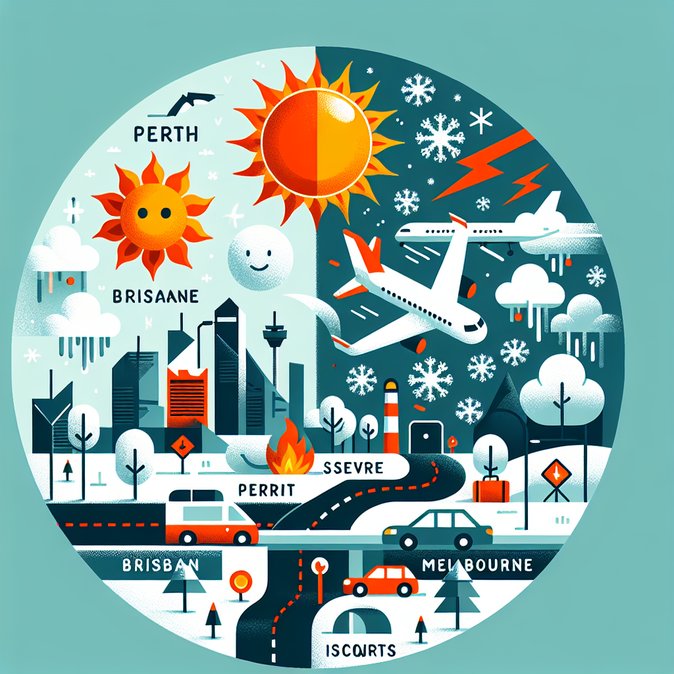
The Bureau of Meteorology (BoM) is warning of severe weather on both coasts that could up-end holiday travel for millions of Australians. A deepening trough is fuelling a ‘catastrophic’ heatwave across south-east Queensland and north-east New South Wales, while a separate system is set to unleash thunderstorms stretching from the NSW coast through the Northern Territory.
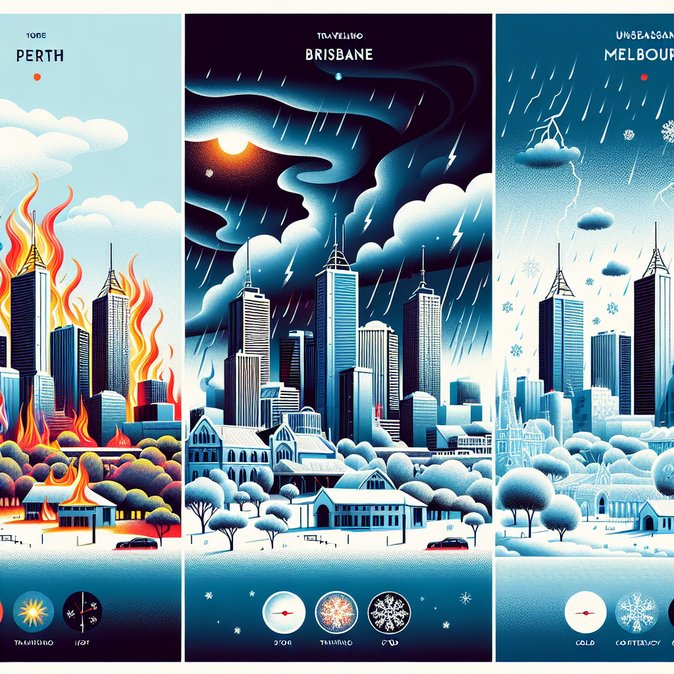
Temperatures nudged 40 °C in Sydney on Sunday before easing slightly, but Brisbane and Perth are forecast to register 35 °C and 41 °C respectively on Christmas Day. In stark contrast, Melbourne may see a high of just 17 °C – its coldest Christmas in nearly two decades – with the snowline dropping low enough for possible flurries in the Victorian Alps.
![Heatwave and Storms Threaten Holiday Travel Plans Across Australia]()
Extreme heat can trigger tarmac ‘softening’ and aircraft weight restrictions, potentially forcing baggage off-loads or flight delays. Thunderstorms also raise the risk of ground-handling suspensions and diversions. Mobility managers should build buffer time into trip schedules and remind travellers to monitor airline apps for gate changes.
Road travellers face additional hazards: authorities in Queensland have elevated fire-danger ratings, and the NHVR has advised heavy-vehicle operators to factor possible storm-related road closures into route planning.
Health officials urge travellers to stay hydrated, limit outdoor exposure during peak heat and watch for severe-weather SMS alerts. Those heading to alpine regions should pack winter gear despite the calendar.
Temperatures nudged 40 °C in Sydney on Sunday before easing slightly, but Brisbane and Perth are forecast to register 35 °C and 41 °C respectively on Christmas Day. In stark contrast, Melbourne may see a high of just 17 °C – its coldest Christmas in nearly two decades – with the snowline dropping low enough for possible flurries in the Victorian Alps.
Extreme heat can trigger tarmac ‘softening’ and aircraft weight restrictions, potentially forcing baggage off-loads or flight delays. Thunderstorms also raise the risk of ground-handling suspensions and diversions. Mobility managers should build buffer time into trip schedules and remind travellers to monitor airline apps for gate changes.
Road travellers face additional hazards: authorities in Queensland have elevated fire-danger ratings, and the NHVR has advised heavy-vehicle operators to factor possible storm-related road closures into route planning.
Health officials urge travellers to stay hydrated, limit outdoor exposure during peak heat and watch for severe-weather SMS alerts. Those heading to alpine regions should pack winter gear despite the calendar.
Source: The Guardian Australia