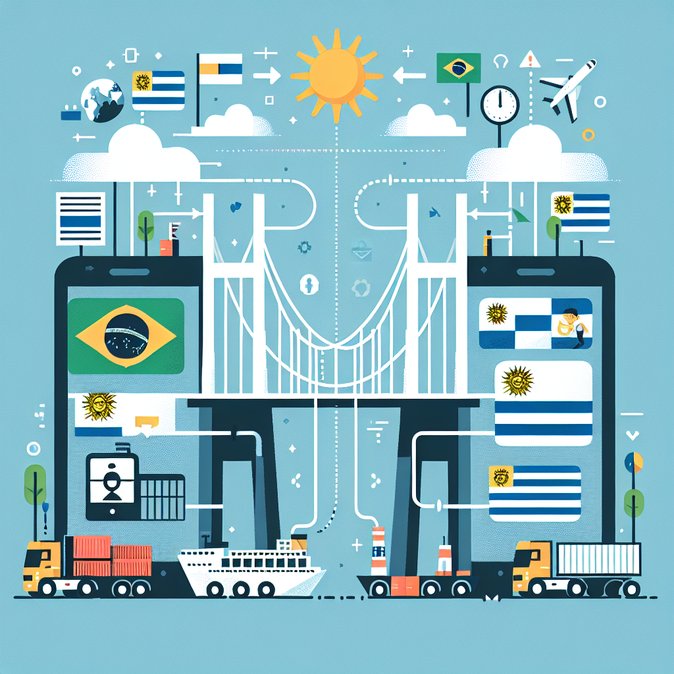
Published on 26 December, a Travel and Tour World feature highlights how Brazil is extending its GOV.BR digital identity ecosystem beyond national borders. An agreement with Uruguay now lets more than 77 million Brazilians use their high-assurance GOV.BR account to access some 300 Uruguayan government services—ranging from customs filings to utility payments—without creating a separate login.
The initiative expands a pilot launched in 2024 under the Inter-American Development Bank’s Regional Digital Citizen program and signals a future where a single credential could unlock services across multiple Latin-American countries. Users authenticate via facial recognition based on electoral-registry data or by scanning the QR code on Brazil’s new National Identity Card (CIN).
![Cross-border digital ID deal with Uruguay lets 77 million Brazilians access foreign services]()
For travelers and assignees, the agreement foreshadows seamless cross-border bureaucracy: freight forwarders can file export documents online, expatriates can pay local taxes, and business visitors can access Uruguayan trade portals with their existing Brazilian login. Officials say reciprocity is next—Uruguayans are expected to gain similar access to Brazilian services in 2026.
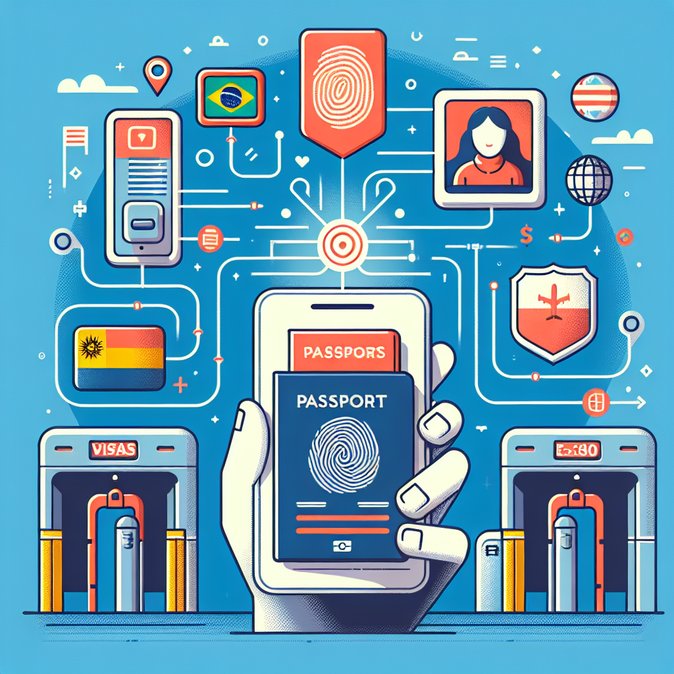
The digital-ID push dovetails with Brazil’s wider move toward biometric borders and e-visas. Together, these measures promise to slash paperwork, cut compliance costs and reduce fraud. Companies should review their privacy notices and IT systems to ensure they can process GOV.BR-based authentication tokens.
Industry observers expect Argentina and Paraguay to join the interoperability framework in 2026, creating a de-facto Mercosur digital-identity zone that would benefit multinational payroll, social-security and customs operations.
The initiative expands a pilot launched in 2024 under the Inter-American Development Bank’s Regional Digital Citizen program and signals a future where a single credential could unlock services across multiple Latin-American countries. Users authenticate via facial recognition based on electoral-registry data or by scanning the QR code on Brazil’s new National Identity Card (CIN).

For travelers and assignees, the agreement foreshadows seamless cross-border bureaucracy: freight forwarders can file export documents online, expatriates can pay local taxes, and business visitors can access Uruguayan trade portals with their existing Brazilian login. Officials say reciprocity is next—Uruguayans are expected to gain similar access to Brazilian services in 2026.
The digital-ID push dovetails with Brazil’s wider move toward biometric borders and e-visas. Together, these measures promise to slash paperwork, cut compliance costs and reduce fraud. Companies should review their privacy notices and IT systems to ensure they can process GOV.BR-based authentication tokens.
Industry observers expect Argentina and Paraguay to join the interoperability framework in 2026, creating a de-facto Mercosur digital-identity zone that would benefit multinational payroll, social-security and customs operations.
Source: Travel and Tour World