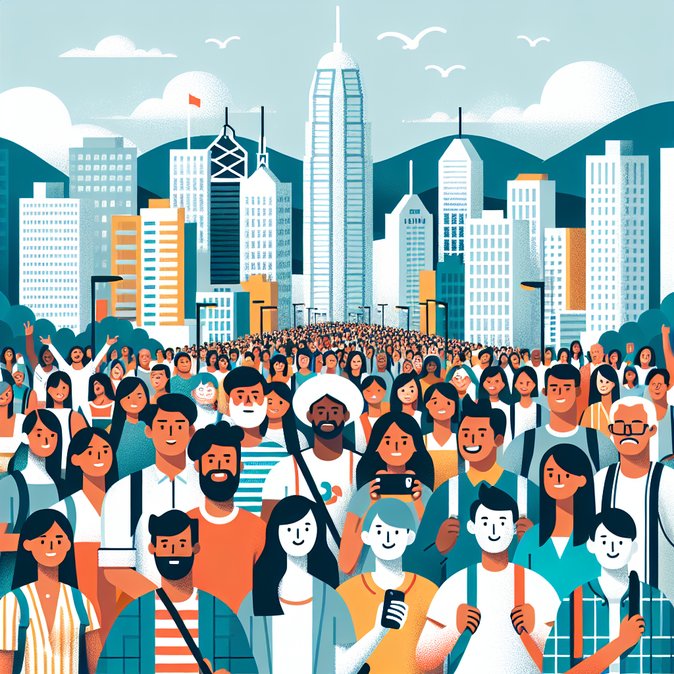
Hong Kong’s inter-departmental festival task-force confirmed late on 5 January that 950,000 inbound visitors entered the city between New-Year’s Eve and 4 January. The tally is 40 per cent higher than the same period in 2025 and represents the clearest sign yet that the SAR’s tourism and MICE sectors are back on track. Mainland travellers accounted for roughly 740,000 arrivals, while non-mainland markets delivered 210,000—helped by visa-free policies for Thai and Malaysian nationals introduced last quarter.
Authorities pulled out several levers to manage the surge. Lo Wu passenger services were extended to 02:00, Shenzhen Bay operated overnight, and the Security Bureau activated its Emergency Monitoring & Support Centre to coordinate crowd management. According to Airport Authority figures, average inbound processing time at T1 immigration desks fell to 10 minutes, down from 14 minutes during Golden Week in October.
![Inbound visitors to Hong Kong hit 950,000 over New-Year weekend, up 40 per cent year-on-year]()
The headline number matters for corporates because visitor arrivals correlate closely with the availability—and price—of short-notice airfares. Travel-management companies (TMCs) report that average Hong Kong hotel rates for the first week of January rose 22 per cent year-on-year, with three-star properties in Tsim Sha Tsui breaking the HK$1,000 per night mark for the first time since 2018.
Retailers were less sanguine. The Department Store & Commercial Staff General Union told local media that the influx produced “many window shoppers but few big spenders,” suggesting that day-trippers kept tight purse strings. Still, analysts at CLSA argue that footfall is a leading indicator: if volumes stick, per-capita spending tends to follow after a two-quarter lag.
Action points for mobility managers: lock-in corporate hotel rates before Spring Festival, encourage travellers to enrol for contact-less e-Channels, and consider mixed-class airfares (business out, economy back) to contain costs amid rising load factors.
Authorities pulled out several levers to manage the surge. Lo Wu passenger services were extended to 02:00, Shenzhen Bay operated overnight, and the Security Bureau activated its Emergency Monitoring & Support Centre to coordinate crowd management. According to Airport Authority figures, average inbound processing time at T1 immigration desks fell to 10 minutes, down from 14 minutes during Golden Week in October.

The headline number matters for corporates because visitor arrivals correlate closely with the availability—and price—of short-notice airfares. Travel-management companies (TMCs) report that average Hong Kong hotel rates for the first week of January rose 22 per cent year-on-year, with three-star properties in Tsim Sha Tsui breaking the HK$1,000 per night mark for the first time since 2018.
Retailers were less sanguine. The Department Store & Commercial Staff General Union told local media that the influx produced “many window shoppers but few big spenders,” suggesting that day-trippers kept tight purse strings. Still, analysts at CLSA argue that footfall is a leading indicator: if volumes stick, per-capita spending tends to follow after a two-quarter lag.
Action points for mobility managers: lock-in corporate hotel rates before Spring Festival, encourage travellers to enrol for contact-less e-Channels, and consider mixed-class airfares (business out, economy back) to contain costs amid rising load factors.
Source: VisaHQ Global Mobility News
How VisaHQ can help
VisaHQ simplifies the visa application process for individuals and businesses. Check current travel requirements, prepare the required documents and manage your application online through the VisaHQ Hong Kong portal.More From Hong Kong
View all
Hong Kong checkpoints handle 3.2 million cross-border movements during three-day mainland New-Year break
Immigration Department logs 5.4 million trips over five-day New-Year period, signalling full rebound