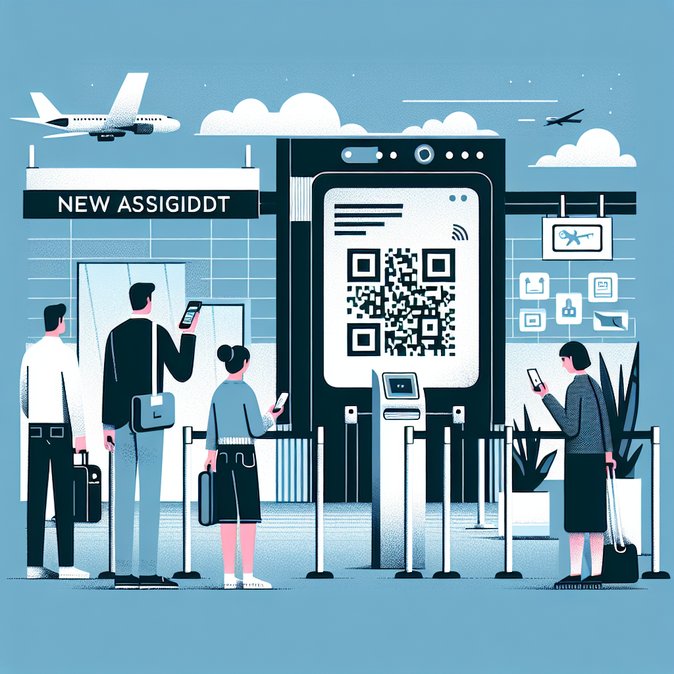
Visa facilitation firm VisaHQ’s 15 January “Compliance Watch” bulletin appears mundane at first glance, but the fine print carries major operational consequences for corporate travel managers: Brazil’s Federal Police (PF) is finishing the migration of its immigration databases to the single sign-on gov.br platform, and airlines have been instructed to verify each passenger’s QR-code digital ID from 31 January 2026.
The change means that any traveller—Brazilian or foreign resident—who still relies on paper protocols or an old-format RNM card may face manual check-in, secondary screening and possible denied boarding. The PF has advised carriers to turn away passengers who cannot generate a valid gov.br “CIN” QR code at the time of departure.
![Brazilian travellers warned: gov.br digital-ID login will become mandatory at airports from 31 Jan]()
For mobility teams, the practical step is to audit assignees’ profiles immediately. Executives should download the gov.br app, create (or upgrade) their account to at least “Prata” level, and scan the digital version of their National Identity Card (CIN). Travellers without a Brazilian ID can create a guest profile but may need additional verification at the airport; companies should budget extra connection time in the first weeks of February.
Travel-risk consultants expect sporadic queues as frontline airline staff become familiar with the new process. Early adopters during the pilot at São Paulo/Guarulhos reported an average of 25 seconds to scan the QR code at e-gates—versus almost two minutes when agents had to type passport data manually.
Because the migration also absorbs PF’s appointment-booking system, foreign employees waiting for residence-card renewals should capture screenshots of their “protocol” page (with barcode) before 30 January; after the cut-over, only the gov.br dashboard will display application status.
The change means that any traveller—Brazilian or foreign resident—who still relies on paper protocols or an old-format RNM card may face manual check-in, secondary screening and possible denied boarding. The PF has advised carriers to turn away passengers who cannot generate a valid gov.br “CIN” QR code at the time of departure.

For mobility teams, the practical step is to audit assignees’ profiles immediately. Executives should download the gov.br app, create (or upgrade) their account to at least “Prata” level, and scan the digital version of their National Identity Card (CIN). Travellers without a Brazilian ID can create a guest profile but may need additional verification at the airport; companies should budget extra connection time in the first weeks of February.
Travel-risk consultants expect sporadic queues as frontline airline staff become familiar with the new process. Early adopters during the pilot at São Paulo/Guarulhos reported an average of 25 seconds to scan the QR code at e-gates—versus almost two minutes when agents had to type passport data manually.
Because the migration also absorbs PF’s appointment-booking system, foreign employees waiting for residence-card renewals should capture screenshots of their “protocol” page (with barcode) before 30 January; after the cut-over, only the gov.br dashboard will display application status.