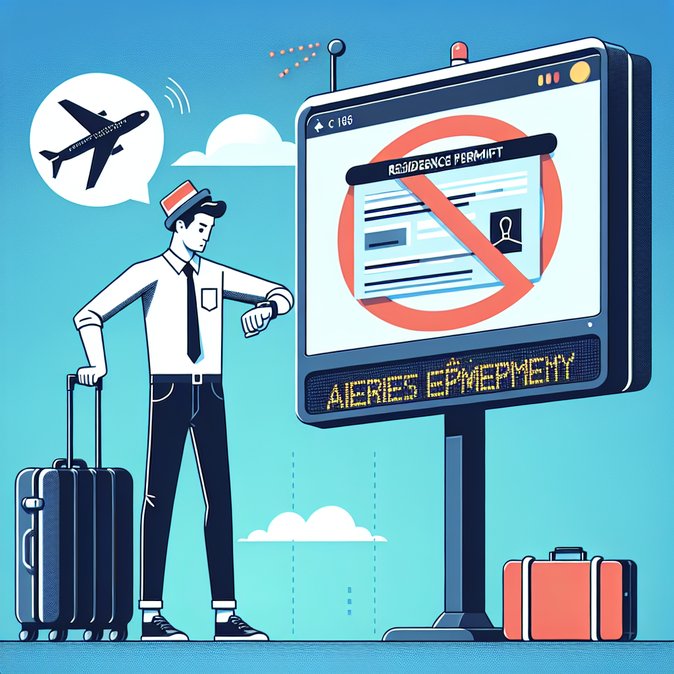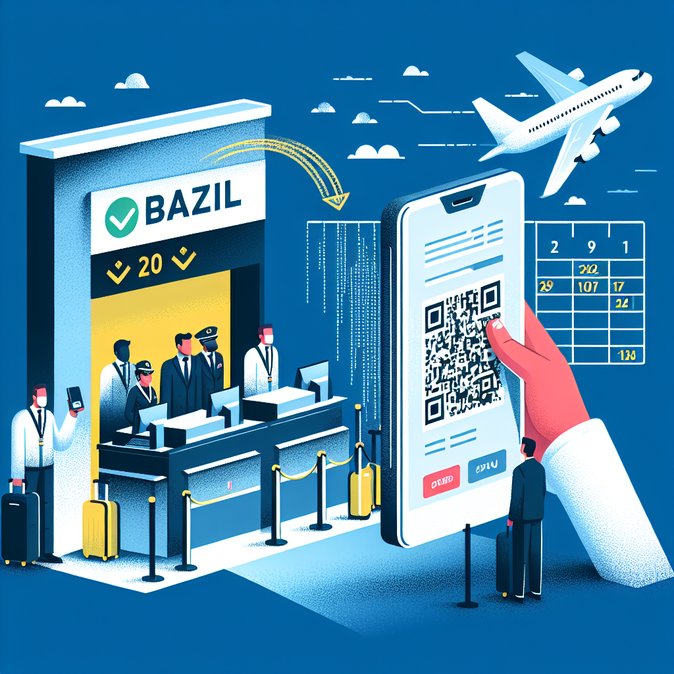
Brazil’s Federal Police (PF) confirmed on 17 January that, from 31 January 2026, airlines must verify every departing passenger’s digital identity through the gov.br platform before issuing boarding passes. The measure applies to Brazilian citizens and foreign residents, and is the first nationwide replacement of paper boarding-pass protocols with a government-run single sign-on.
During pilots at São Paulo/Guarulhos, PF officers scanned a passenger’s QR code in an average of 25 seconds—less than half the time required to type passport data manually. Authorities claim the new process will cut queues by up to 30 %, reduce document fraud, and feed real-time exit-data into migration analytics.
![QR-code identity check via gov.br to become compulsory at all Brazilian airports]()
Airlines welcome the efficiency gains but warn of teething troubles. Business-class counters previously designed for quick drop-off could bottleneck if even a small share of high-frequency travellers arrive without an activated gov.br account or valid QR code. Carriers have begun emailing corporate customers with step-by-step activation guides and plan to place extra staff at check-in islands for the first fortnight.
For mobility managers, the change has two immediate implications. First, expatriate staff holding older RNM cards must migrate those identifiers into the gov.br app or risk secondary screening. Second, group departures after off-site events now require a pre-flight audit to verify all participants can generate the QR code offline.
The PF says a short grace period will apply until 15 February, during which non-compliant travellers may still board after manual vetting, but fines on airlines will follow thereafter. Mobile-signal dead-zones at regional airports remain a concern; officials advise passengers to download the QR code to their wallet apps before arrival.
During pilots at São Paulo/Guarulhos, PF officers scanned a passenger’s QR code in an average of 25 seconds—less than half the time required to type passport data manually. Authorities claim the new process will cut queues by up to 30 %, reduce document fraud, and feed real-time exit-data into migration analytics.
Airlines welcome the efficiency gains but warn of teething troubles. Business-class counters previously designed for quick drop-off could bottleneck if even a small share of high-frequency travellers arrive without an activated gov.br account or valid QR code. Carriers have begun emailing corporate customers with step-by-step activation guides and plan to place extra staff at check-in islands for the first fortnight.
For mobility managers, the change has two immediate implications. First, expatriate staff holding older RNM cards must migrate those identifiers into the gov.br app or risk secondary screening. Second, group departures after off-site events now require a pre-flight audit to verify all participants can generate the QR code offline.
The PF says a short grace period will apply until 15 February, during which non-compliant travellers may still board after manual vetting, but fines on airlines will follow thereafter. Mobile-signal dead-zones at regional airports remain a concern; officials advise passengers to download the QR code to their wallet apps before arrival.
Source: VisaHQ Global Mobility News