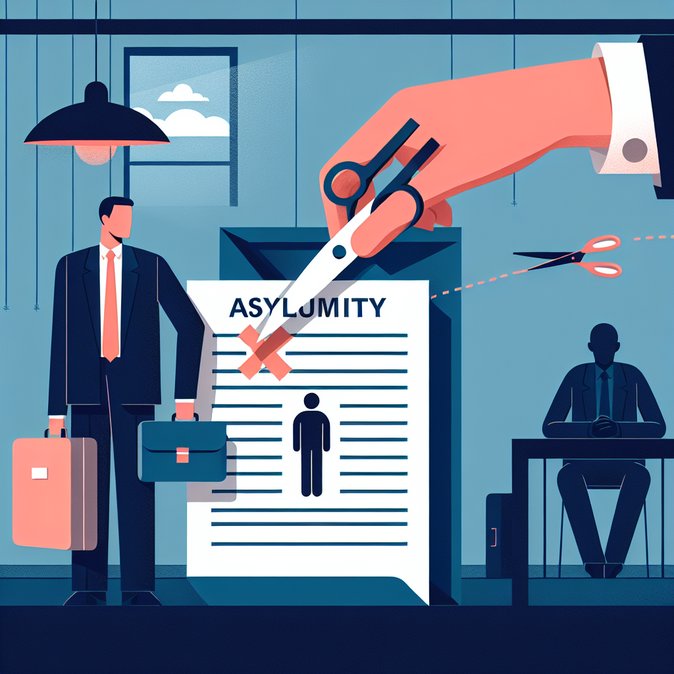
Belgium’s Federal Public Prosecutor Frédéric Van Leeuw has dismissed a criminal complaint filed by four asylum-seeking families against Minister for Asylum and Migration Anneleen Van Bossuyt. The families alleged that the minister’s 2025 directive—ending reception-centre accommodation for refugees already recognised in another EU state—amounted to degrading treatment. (brusselstimes.com)
Van Leeuw ruled on 6 February that asylum policy is a collective government decision and that individual criminal liability could not be established. The ruling spares the N-VA politician a potentially lengthy court battle but is unlikely to quell criticism from NGOs, which accuse Belgium of violating EU reception-conditions rules by leaving recognised refugees without shelter.
![Prosecutor drops ‘inhumane treatment’ case against Belgium’s migration minister]()
The case highlights the legal tightrope Belgium walks as it tries to deter so-called “secondary-movement” asylum seekers while avoiding infringement proceedings from Brussels. In December Belgium recorded its highest number of asylum applications in a decade, and the coalition government is drafting what it calls the “strictest migration law ever,” including higher income thresholds for family reunifications.
For employers sponsoring work-permit or single-permit applications, the decision means current policy—prioritising first-time applicants over recognised refugees—remains intact. Companies should continue to anticipate processing backlogs and advise transferees to secure private housing rather than rely on state accommodation.
Van Leeuw ruled on 6 February that asylum policy is a collective government decision and that individual criminal liability could not be established. The ruling spares the N-VA politician a potentially lengthy court battle but is unlikely to quell criticism from NGOs, which accuse Belgium of violating EU reception-conditions rules by leaving recognised refugees without shelter.

The case highlights the legal tightrope Belgium walks as it tries to deter so-called “secondary-movement” asylum seekers while avoiding infringement proceedings from Brussels. In December Belgium recorded its highest number of asylum applications in a decade, and the coalition government is drafting what it calls the “strictest migration law ever,” including higher income thresholds for family reunifications.
For employers sponsoring work-permit or single-permit applications, the decision means current policy—prioritising first-time applicants over recognised refugees—remains intact. Companies should continue to anticipate processing backlogs and advise transferees to secure private housing rather than rely on state accommodation.
Source: The Brussels Times