Canadian Airlines Add Fuel Surcharges and Trim Schedules as Oil Prices Spike
Nation-wide Airport Strike to Ground Flights Across Germany on April 8
Ottawa Rolls Out April 2026 Immigration Changes: Higher Fees, Flexible Super Visa and More Provincial Power
Latest News

Canberra tightens student-visa spigot as refusal rate hits 20-year high
The Albanese Government has restored tough risk settings and doubled the graduate-visa fee, pushing student-visa refusal rates to their highest since 2006. Universities face a sudden cooling in enrolments, while employers may find fewer international graduates available for junior roles. The shift underscores Australia’s pivot from volume to ‘genuine’ student quality.

Foreign employment hits record high ahead of Spain’s mass regularisation drive
Spain added a record 74,722 foreign workers in March 2026, pushing migrant affiliation above 3.15 million before the government’s large-scale regularisation scheme opens later this month. The data underscore how foreign labour is propping up job creation and foreshadow compliance and onboarding challenges for employers once 500,000 undocumented residents gain legal status.([elconfidencial.com](https://www.elconfidencial.com/economia/2026-04-07/record-empleo-extranjeros-regularizacion_4333280/))
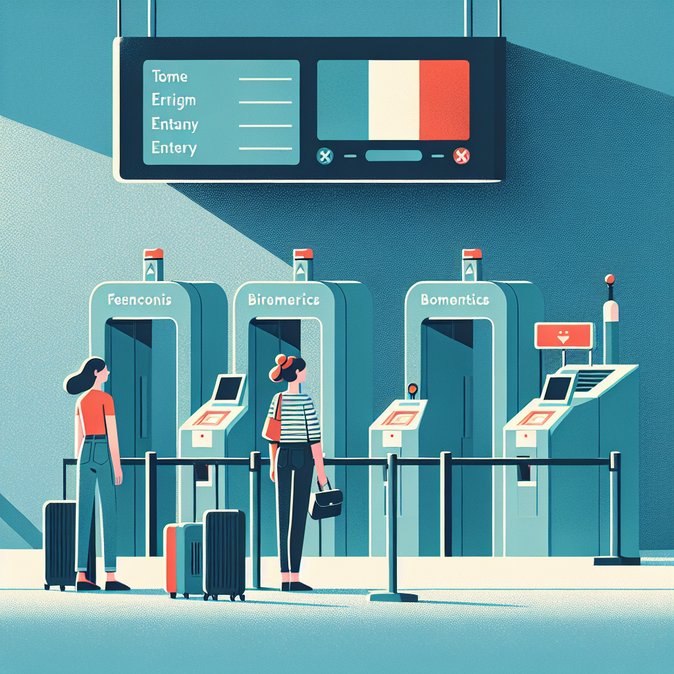
France confirms biometric-border equipment not ready for EES deadline on UK routes
French border police have admitted that biometric kiosks for the Entry/Exit System are not yet installed at Eurostar, Eurotunnel and ferry controls on UK soil, meaning most travellers will **not** be fingerprinted when the EU mandate takes effect on 10 April 2026. France will create digital entry records only, postponing the most disruptive element of EES and raising fears of summer congestion once devices arrive.

Cyprus drops ‘no-other-tax-residency’ condition in popular 60-Day Rule
A 1 January 2026 amendment removed the 60-Day Rule’s fifth test, which had forced applicants to prove they were *not* tax-resident elsewhere. Internationally mobile workers can now obtain Cypriot tax residency with just 60 days’ presence, even if another country also claims them. The simpler rules enhance Cyprus’s attractiveness for regional HQs and remote-first employers.

UAE grants automatic overstay-fine waiver for travellers delayed by regional airspace closures
Travellers who could not leave the UAE on time because of air-space closures after 28 February will not pay overstay penalties. The Federal Authority for Identity, Citizenship, Customs & Port Security has instructed immigration officers to cancel fines automatically, easing the burden on visitors, expatriates and the companies supporting them. The move limits legal exposure for employers and helps airports keep queues moving while flight schedules normalise.

Belgian Government Revives Controversial Home-Entry Powers to Detain Irregular Migrants
Belgium’s federal cabinet has approved a draft law allowing police, with a judge’s warrant, to enter private homes and detain irregular migrants who ignore deportation orders. The measure—still subject to Council of State review and parliamentary vote—aims to boost the country’s low return rate but raises constitutional and human-rights concerns. Employers should prepare for tighter enforcement if the bill is adopted.

EU biometric border system starts 10 April, Australians told to expect 70 % longer border queues
From 10 April the EU will fingerprint and photograph all non-EU arrivals under its new Entry/Exit System. Airlines say border processing is already up to 70 % slower, meaning Australian travellers should expect longer queues and plan extra time at Schengen airports. Companies with staff on tight schedules should adjust itineraries and prepare travellers for the new biometric formalities.
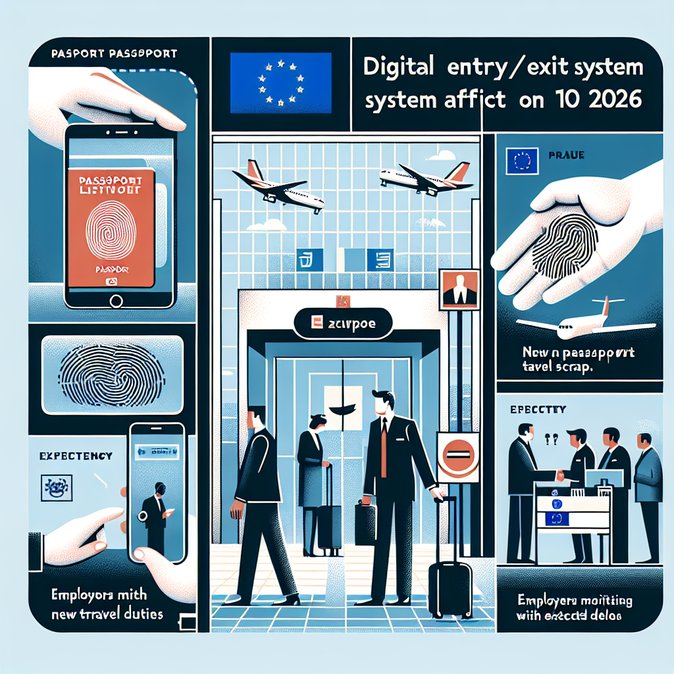
EU Entry/Exit System goes live on 10 April: what Czech travellers and employers must prepare for
The EU’s digital Entry/Exit System becomes compulsory on 10 April 2026. Non-EU visitors entering Prague will give fingerprints and a facial scan instead of receiving a passport stamp, and overstays will be calculated automatically. Czech employers must tighten travel-tracking, while airlines warn of possible queues as they take on new compliance duties.