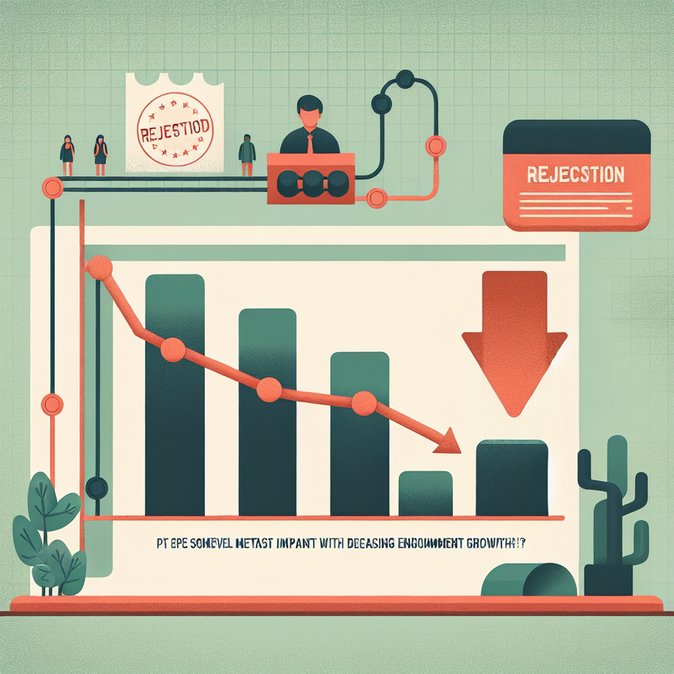
After a decade of aggressive growth, Australia’s international education sector is coming back to earth. Analysis by MacroBusiness shows the refusal rate for higher-education student visas surged to 32.5 percent in February 2026—the highest since 2006—as the Albanese government re-tightened risk weightings for major source countries such as India, Nepal and Bangladesh. The policy pivot reverses 2025 settings that had allowed universities to exceed their allocation caps by 15 percent before facing processing slow-downs. The Department of Home Affairs has now classified several South-Asian markets as Evidence Level 3 (highest risk), imposing tougher financial and English-language checks. The government also doubled the Temporary Graduate (subclass 485) visa fee to AUD 4,600 last month, making post-study work rights the most expensive in the OECD. Universities that built business models on volume recruitment face painful adjustments. Some are forecasting a 10–15 percent drop in July 2026 commencements, forcing a rethink of casual teaching budgets and accommodation projects. At the same time, corporate Australia may find fewer graduate-level candidates with in-country study experience, intensifying the war for talent. Education agents warn prospective students to expect longer processing times, higher financial proof thresholds and a more probing “genuine student test”. Institutions are responding by shifting marketing to lower-risk regions and strengthening pre-screening to avoid lodgements that will almost certainly be refused.
Source: MacroBusiness