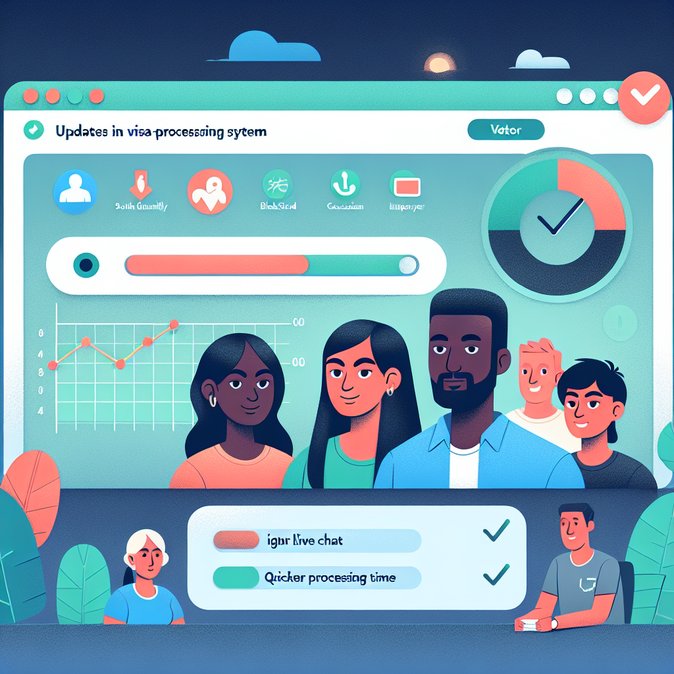
In a plain-language explainer posted this morning, travel blog Japanese Travels captured the public mood: “Goodbye long visa delays—Australia launches faster processing reforms from April 2026.” Behind the upbeat headline sits a substantive policy change: from 1 April, every visa stream lodges through a single digital front door, automatic data-matching replaces many manual checks, and the department must publish real-time performance dashboards. Home Affairs says its immediate goal is to reduce median processing times for family, student and skilled-migration visas by 30 percent within the first quarter. A new ‘traffic-light’ status screen now shows applicants exactly where a file sits—submitted, biometrics received, security cleared or decision ready—removing much of the opaque “waiting game” that has long frustrated applicants and corporate sponsors alike. The government is also trialling a live-chat triage staffed by MARA-registered officers who can resolve simple document queries inside the portal rather than issuing a 28-day Request for Further Information. Early pilots cut average resolution time for missing police certificates from 19 days to less than four, freeing decision-makers to concentrate on more complex cases. For businesses the reforms dovetail with Australia’s drive to build 1.2 million new homes and accelerate defence and renewable-energy projects—initiatives that require an uninterrupted flow of overseas carpenters, engineers and nurses. Companies that fail to submit ‘decision-ready’ applications, however, risk rapid refusals that can jeopardise project timelines and trigger costly relodgement fees. Mobility teams are therefore investing in document-automation tools and pre-lodgement audit checklists. Migration lawyers broadly welcome the shift but caution that faster decisions will not soften the Genuine Student or Skilled-Occupation tests. “Speed doesn’t equal leniency,” notes Melbourne solicitor Priya Desai. “It means you get the answer you deserve—good or bad—much sooner. Preparation is now everything.”
Source: Japanese Travels