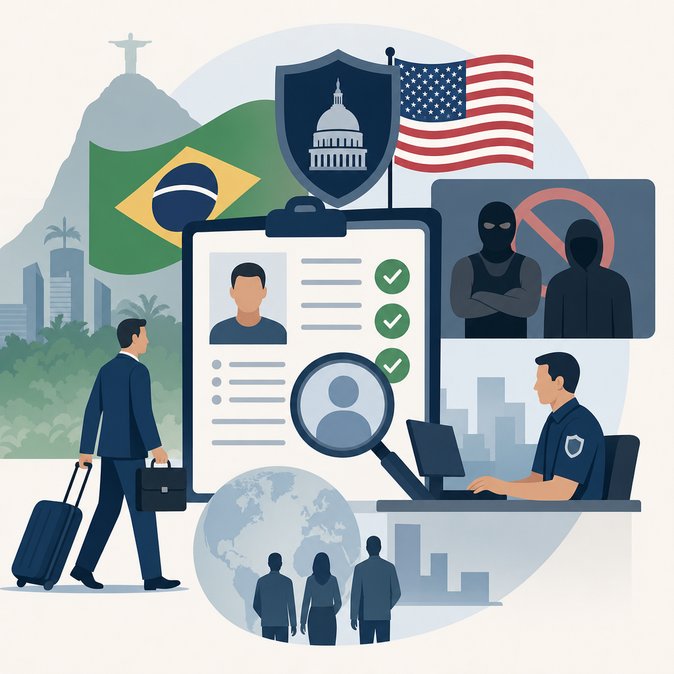
Barely 48 hours after US Secretary of State Marco Rubio placed Brazil’s two largest crime syndicates—the Primeiro Comando da Capital (PCC) and Comando Vermelho—on Washington’s Foreign Terrorist Organizations list, Brazilian travellers and immigration lawyers began asking whether the move could ripple into everyday visa processing. Analysts interviewed by Estadão and UOL on 30 May say routine applicants should not panic, but they do anticipate tougher background checks at US consulates and ports of entry. Under US law, anyone who “provides material support” to a listed group becomes inadmissible; consular officers already comb social-media histories and police records for red flags. The new designation, effective 5 June, will place PCC and CV flags in the same risk matrix as al-Qaeda. “Expect more follow-up questions and perhaps longer appointment queues, especially for São Paulo residents,” warns migration attorney Ingrid Domingues-McConville. For corporate mobility teams, the biggest impact will be on expedited categories such as L-1 and E-2 visas, where clearance windows are tight. Experts recommend reviewing compliance policies for supply-chain partners—particularly in logistics, port services and cash-handling firms that risk inadvertent links to the gangs’ money-laundering networks. Background-screening vendors may also see a spike in demand as HR departments try to pre-empt consular delays. Brasília has formally protested the designation, calling it an affront to sovereignty, yet officials concede that bilateral data-sharing on criminal records will now intensify. That could prove a long-term benefit for legitimate travellers by standardising information flows, but in the short run Brazilian passport holders should budget extra time for US travel paperwork and be prepared to document employment ties and financial transactions in greater detail.
Source: UOL / Agência Estado