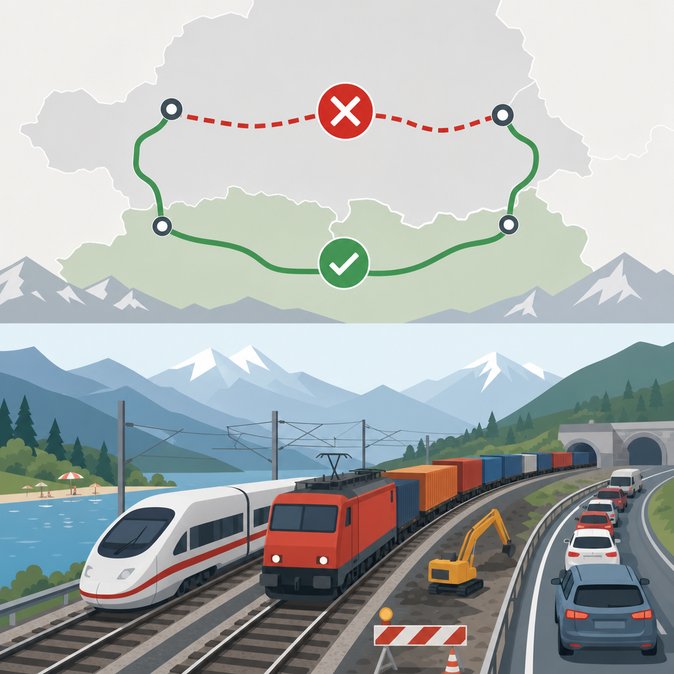
The European Commission has issued a formal opinion calling on Austria – together with Denmark, France, Germany, Italy, the Netherlands, Norway, Slovenia and Sweden – to draw up a clear timetable for lifting the temporary controls it maintains at its land borders with Czechia, Hungary, Slovakia and Slovenia. In its statement of 2 June 2026, the EU executive acknowledges Vienna’s security concerns but stresses that Article 25 of the Schengen Borders Code allows such checks only as a last resort and for strictly limited periods. Austria first re-introduced controls in September 2015 at the height of the refugee crisis and has renewed them almost continuously ever since, most recently until 15 June 2026. Brussels argues that two new EU-wide tools – the digital Entry/Exit System (EES) launched on 10 April 2026 and the asylum and migration pact entering into force on 12 June 2026 – provide more proportionate alternatives. It recommends stepped-up mobile police patrols, biometric spot-checks and real-time data sharing instead of systematic border inspection. For businesses and commuters, the stakes are high. Cross-border industrial clusters around Linz–Budweis, Graz–Maribor and Vienna–Bratislava rely on just-in-time deliveries and daily staff movements that are routinely delayed by roadside inspections. Logistics associations calculate that every 15-minute hold-up adds about €80 to a truck’s operating costs; during peak holiday weekends delays can stretch to 45 minutes. Multinational employers with staff on Austrian Red-White-Red Cards or EU ICT permits should review their travel-compliance protocols. Even if passport checks disappear, officers will continue to read residence permits with mobile readers, so travellers must still carry their original cards. Companies are also advised to brief drivers on the difference between EES exit confirmation and a classic passport stamp to avoid inadvertent over-stay risks when moving between Schengen states.