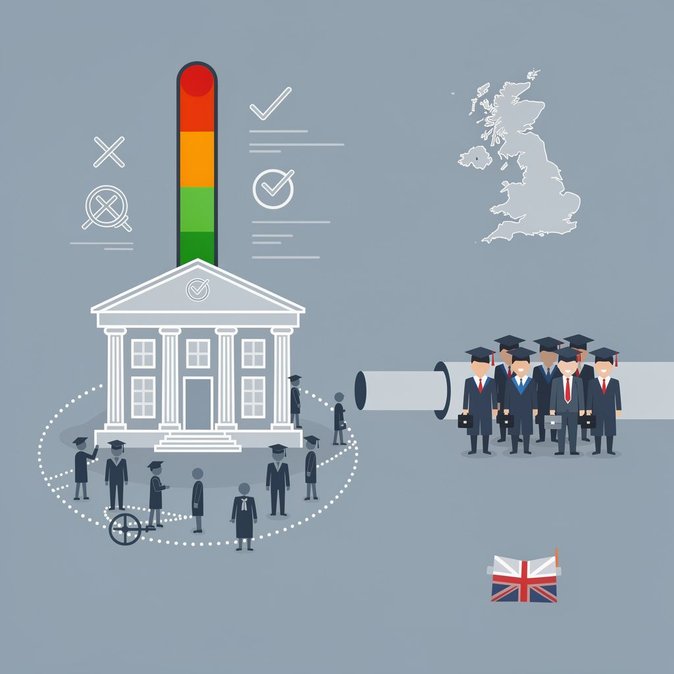
New compliance rules for universities and colleges sponsoring international students came into force on 1 June, but many institutions only clocked the implications after specialist advisors summarised the changes on 16 June. Visa refusal rates must now stay below 5 % (previously 10 %); enrolment must hit 95 %, and course-completion will need to reach 90 % by 2027. Sponsors will receive a public Red-Amber-Green rating across these metrics, exposing poorly performing institutions to reputational damage and, potentially, suspension of their sponsor licences.
![Stricter Home Office metrics raise the bar for UK student-sponsor institutions]()
In this climate, institutions can lean on specialist partners such as VisaHQ, whose platform and consultancy services (https://www.visahq.com/united-kingdom/) help sponsors track visa outcomes, troubleshoot compliance gaps and assemble documentation that aligns with Home Office expectations, ultimately reducing the prospect of refusals and licence downgrades.
The Home Office says the tougher thresholds are necessary to curb abuse and protect the Graduate Route’s integrity. For mobility teams in higher-education the message is urgent: audit admissions pipelines, tighten credibility-interview processes and ensure real-time attendance monitoring is robust. Commercial employers may also feel knock-on effects; fewer institutions will risk issuing CAS to borderline applicants, potentially reducing the graduate-talent pool. Consultants predict a surge in demand for mock audits and compliance training ahead of the first Basic Compliance Assessment cycle under the new regime. Failure to adapt could see sponsors lose the right to enrol new overseas students – a critical revenue stream worth £40 billion annually to the UK economy.

In this climate, institutions can lean on specialist partners such as VisaHQ, whose platform and consultancy services (https://www.visahq.com/united-kingdom/) help sponsors track visa outcomes, troubleshoot compliance gaps and assemble documentation that aligns with Home Office expectations, ultimately reducing the prospect of refusals and licence downgrades.
The Home Office says the tougher thresholds are necessary to curb abuse and protect the Graduate Route’s integrity. For mobility teams in higher-education the message is urgent: audit admissions pipelines, tighten credibility-interview processes and ensure real-time attendance monitoring is robust. Commercial employers may also feel knock-on effects; fewer institutions will risk issuing CAS to borderline applicants, potentially reducing the graduate-talent pool. Consultants predict a surge in demand for mock audits and compliance training ahead of the first Basic Compliance Assessment cycle under the new regime. Failure to adapt could see sponsors lose the right to enrol new overseas students – a critical revenue stream worth £40 billion annually to the UK economy.