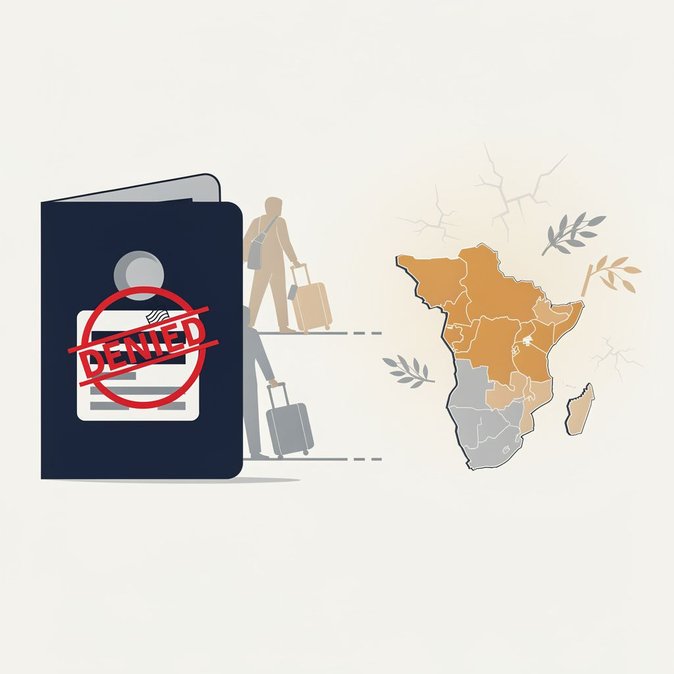
The State Department on June 18 unveiled targeted visa restrictions against individuals “responsible for, or complicit in, undermining resolution of the crisis in the Tigray region of Ethiopia.” The policy focuses on hard-line leaders of the Tigray People’s Liberation Front (TPLF) and their immediate family members who seek to enter the United States. Washington cited renewed clashes between TPLF forces and federal troops as grounds for action, warning that spoilers risk losing access to the United States’ education, medical and business networks. Although numbers were not disclosed, officials said consular posts worldwide received a confidential cable instructing officers to deny B-1/B-2 and immigrant visas where credible evidence exists.
For travelers and organizations now grappling with these fast-moving rules, VisaHQ can streamline the process. The company’s portal (https://www.visahq.com/united-states/) offers real-time policy updates, document checklists and professional filing support, helping applicants and compliance teams navigate shifting U.S. visa requirements triggered by geopolitical events like the Tigray crisis.
For American companies rebuilding operations in Addis Ababa—or employing dual U.S.–Ethiopian staff—the move introduces fresh compliance checks. Global mobility managers should screen assignees for potential affiliations that might trigger refusal under Section 212(a)(3)(C) of the Immigration and Nationality Act. The restrictions also send a broader message that the Trump administration will leverage immigration tools to influence foreign conflicts, continuing a pattern seen with Sudan, Belarus and Gaza over the past year. Risk teams should anticipate additional country-specific travel advisories as elections and security flashpoints approach. Human-rights groups welcomed the announcement but urged parallel measures such as Global Magnitsky sanctions to freeze U.S. assets of designated actors. For now, the visa tool remains the quickest lever—one that can be ratcheted up if combat resumes.
For travelers and organizations now grappling with these fast-moving rules, VisaHQ can streamline the process. The company’s portal (https://www.visahq.com/united-states/) offers real-time policy updates, document checklists and professional filing support, helping applicants and compliance teams navigate shifting U.S. visa requirements triggered by geopolitical events like the Tigray crisis.
For American companies rebuilding operations in Addis Ababa—or employing dual U.S.–Ethiopian staff—the move introduces fresh compliance checks. Global mobility managers should screen assignees for potential affiliations that might trigger refusal under Section 212(a)(3)(C) of the Immigration and Nationality Act. The restrictions also send a broader message that the Trump administration will leverage immigration tools to influence foreign conflicts, continuing a pattern seen with Sudan, Belarus and Gaza over the past year. Risk teams should anticipate additional country-specific travel advisories as elections and security flashpoints approach. Human-rights groups welcomed the announcement but urged parallel measures such as Global Magnitsky sanctions to freeze U.S. assets of designated actors. For now, the visa tool remains the quickest lever—one that can be ratcheted up if combat resumes.