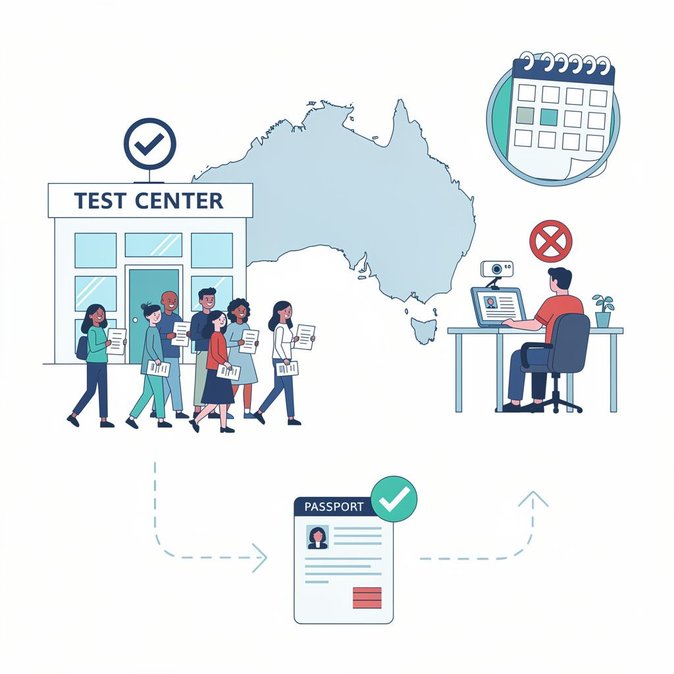
The Department of Home Affairs has quietly wrapped up registrations for its inaugural online ballot covering the 2026-27 allocation of Work and Holiday (subclass 462) visas for China, India and Vietnam. The ballot, which opened on 4 June and closed at midnight 25 June, is part of a new pre-application system designed to manage demand for the increasingly popular youth-mobility visa. A departmental notice updated this morning confirms the process’s “last updated” stamp of 26 June 2026 at 11:39 AM, signalling the ballot has moved to assessment. Under the reform, would-be applicants pay a non-refundable A$25 registration fee for a place in the draw. Successful registrants receive an invitation to lodge the full visa application within 14 days and must then pay the standard A$650 visa charge. Unsuccessful registrants can re-enter the next ballot but may not lodge a regular application outside the system. The department says the model reduces website crashes and speculative filings that previously overwhelmed ImmiAccount during “visa-drop” midnight openings. For employers in hospitality, agriculture and care services—sectors that rely heavily on WHM labour—the ballot delivers earlier certainty on labour supply. However, migration agents warn that the tight 14-day turnaround may catch out invitees who lack police certificates or proof of funds. Companies sponsoring graduates on Temporary Skill Shortage (482) visas should monitor WHM intake numbers, as the scheme often functions as a feeder pool for longer-term skilled visas. The government has hinted the ballot could be extended to other capped 462 cohorts, including Mongolia and the Philippines, in 2027. Mobility planners should therefore expect a phased move toward lottery-style allocation across all high-demand youth visas, mirroring systems used by the United States (H-1B) and Canada (IEC). Given the ballot’s success in preventing the website outages that marred previous application rounds, digital-first processing is likely to expand. Employers are advised to update recruitment calendars: invitations will now roll out in mid-July rather than the traditional first-come, first-served scramble on 1 July.
Source: Department of Home Affairs