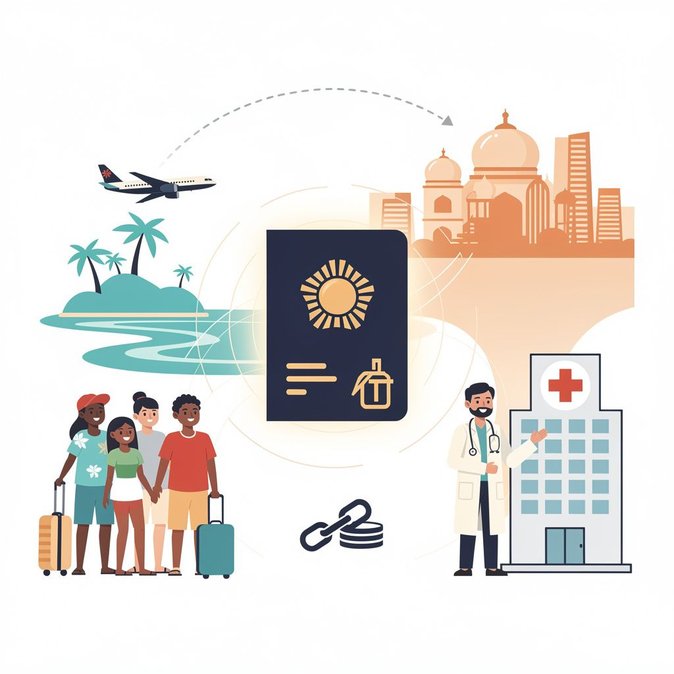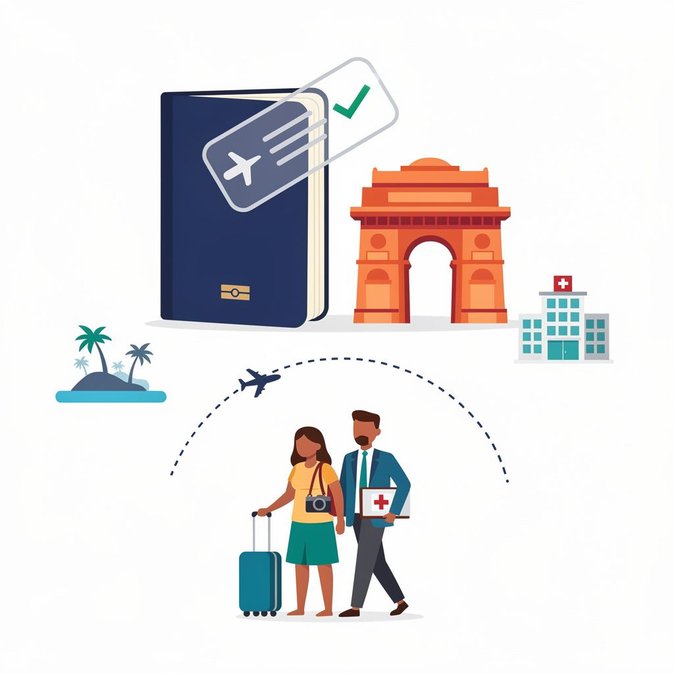
The Indian High Commission in Suva announced on 30 June that Fijian nationals will no longer pay consular fees for tourist, medical or medical-attendant visas issued in Fiji. The change, effective 29 June, applies to both sticker visas and the increasingly popular e-Visa channel, although other visa categories—business, conference and employment—remain fee-payable.
Travellers navigating these updates can streamline the process by using VisaHQ’s online platform, which handles both the newly fee-free tourist or medical applications and the still-chargeable business or conference categories. The service provides step-by-step checklists, real-time status tracking and dedicated support teams, all accessible at https://www.visahq.com/india/
The decision follows a year-long review of India’s Pacific outreach strategy and comes just weeks after direct Fiji–Delhi charter services were finalised. By removing a US $43 surcharge on the most common short-stay visas, New Delhi hopes to stimulate medical travel to Indian hospitals as well as leisure visits that build cultural links with Fiji’s half-million-strong Indian diaspora. For mobility planners, the waiver lowers upfront costs for corporate groups combining business meetings in India with incentive travel in Fiji, because employees’ accompanying family members can now secure leisure visas free of charge. Hospitals in Chennai and Hyderabad—already marketing cardiac and renal packages to Fijian insurers—expect patient flows to rise by 15 percent this fiscal year. Travel consultants caution that applicants must still schedule biometric appointments and show proof of funds. They also note that visa-free entry covers only single or double entries of up to 90 days; repeat travellers may still find value in applying for India’s five-year multiple-entry e-tourist visa at standard fees. The move is being watched by other Pacific Island missions, with sources indicating that India may extend similar concessions to Tonga and Samoa later this year as part of a wider soft-power initiative.
Travellers navigating these updates can streamline the process by using VisaHQ’s online platform, which handles both the newly fee-free tourist or medical applications and the still-chargeable business or conference categories. The service provides step-by-step checklists, real-time status tracking and dedicated support teams, all accessible at https://www.visahq.com/india/
The decision follows a year-long review of India’s Pacific outreach strategy and comes just weeks after direct Fiji–Delhi charter services were finalised. By removing a US $43 surcharge on the most common short-stay visas, New Delhi hopes to stimulate medical travel to Indian hospitals as well as leisure visits that build cultural links with Fiji’s half-million-strong Indian diaspora. For mobility planners, the waiver lowers upfront costs for corporate groups combining business meetings in India with incentive travel in Fiji, because employees’ accompanying family members can now secure leisure visas free of charge. Hospitals in Chennai and Hyderabad—already marketing cardiac and renal packages to Fijian insurers—expect patient flows to rise by 15 percent this fiscal year. Travel consultants caution that applicants must still schedule biometric appointments and show proof of funds. They also note that visa-free entry covers only single or double entries of up to 90 days; repeat travellers may still find value in applying for India’s five-year multiple-entry e-tourist visa at standard fees. The move is being watched by other Pacific Island missions, with sources indicating that India may extend similar concessions to Tonga and Samoa later this year as part of a wider soft-power initiative.