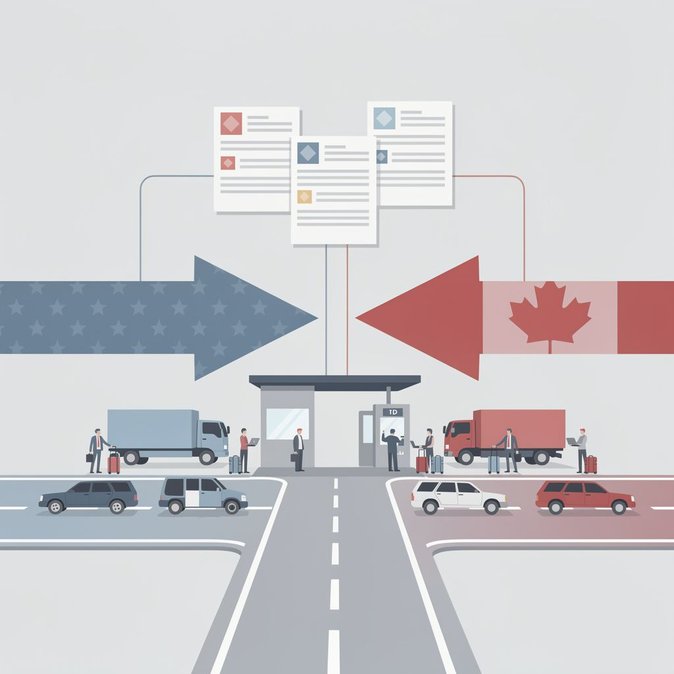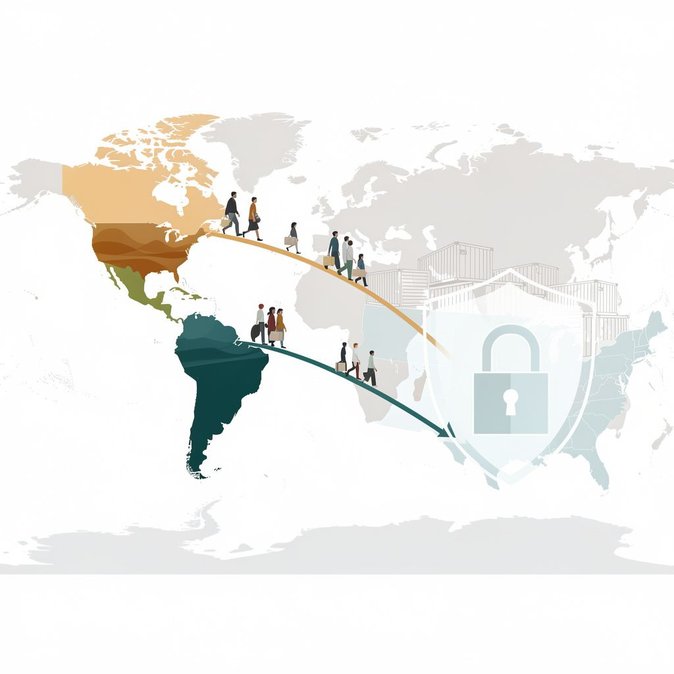
A federal court in Texas accepted a guilty plea on June 30 from a key figure in a criminal organisation that charged migrants up to $12,000 each to reach the United States from as far away as Afghanistan and Egypt. According to a Justice Department statement reviewed by Bloomberg Law, the network netted roughly $30 million over four years by coordinating “coyote” guides, stash houses in Monterrey and Piedras Negras, and document-forgery cells in Houston. Prosecutors said at least 400 migrants were funneled through the operation, some of whom were later identified as national-security risks. Two co-defendants were sentenced earlier this year to 12 and 15 years, respectively; the latest plea could yield a 20-year sentence and forfeiture of multiple Texas properties. The case underscores the escalating profitability of sophisticated smuggling rings that exploit gaps between legal visa channels and the asylum system. For global companies operating near the southern border, the bust highlights ongoing cargo-security risks: smugglers often use commercial trucking corridors, creating potential liabilities for logistics providers whose drivers may be coerced or bribed. DHS officials said intelligence gleaned from the investigation is being fed into the new Cross-Border Financial Crimes Center, which tracks money-laundering routes used to fund smuggling and drug-trafficking. Lawmakers are citing the case to push bipartisan legislation that would add “human-smuggling” to the list of predicate offences for U.S. anti-racketeering prosecutions. Compliance officers should expect increased scrutiny of supply-chain partners and may consider contractual clauses requiring carriers to adopt CBP’s “FAST for Trucks” biometric driver-verification programme, which goes live in October.
Source: Bloomberg Law