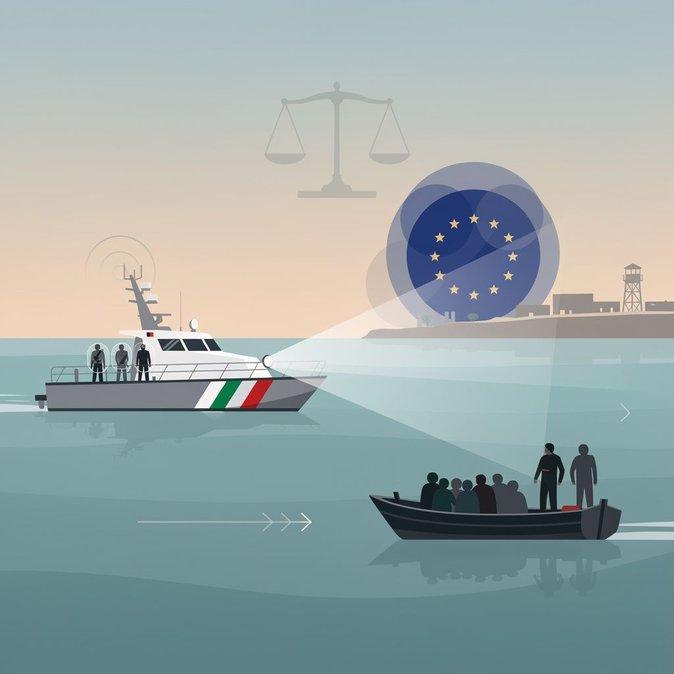
On the evening of 12 July, a routine maritime-police patrol off the coast of Trapani intercepted a small pleasure craft suspected of facilitating clandestine entry into Italian territory. According to a joint statement by the Guardia di Finanza and the Questura’s mobile squad, surveillance footage and GPS data showed the vessel had rendezvoused offshore to pick up two undocumented North-African nationals before heading toward the Sicilian shoreline. Investigators arrested two men on charges of aiding illegal immigration after discovering that the pair had previously been crew members on boats linked to smuggling rings. A third individual—already expelled from Italy as an alternative to detention—was detained for re-entering the country in violation of a judicial order. One of the migrants has applied for international protection and was transferred to a reception centre, while the others await a preliminary-investigation hearing. The case is the latest under Italy’s tougher enforcement regime following adoption of the EU Pact on Migration and Asylum in June. Under the new rules, frontline authorities must conduct vulnerability screenings within hours of disembarkation and can fast-track returns for those deemed inadmissible. The operation highlights the increasing role of financial-police units in maritime border control, complementing Coast Guard and Frontex patrols in the central Mediterranean. For global-mobility managers, the incident signals sustained enforcement pressure on informal migration routes and potentially swifter detention of repeat offenders—factors that corporate security teams must monitor when relocating staff or contractors in Sicily’s energy and port sectors. It also illustrates the legal risks facing private skippers who accept cash to ferry migrants, as prosecutors in Sicily routinely seek multi-year sentences for facilitation offences.
Source: La Sicilia