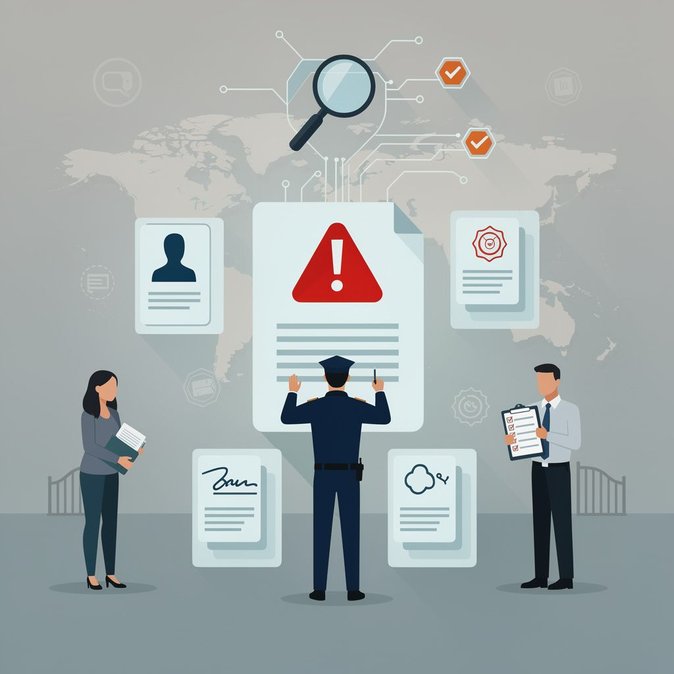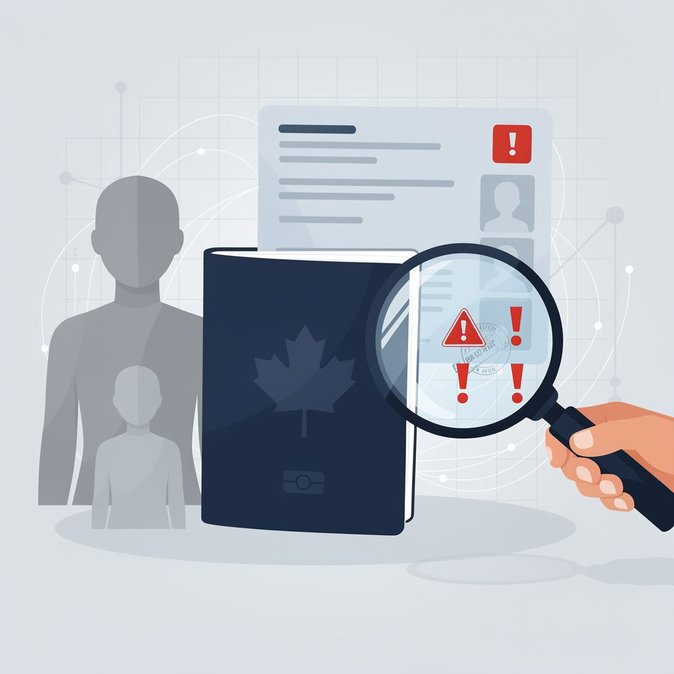
Immigration, Refugees and Citizenship Canada (IRCC) has issued a fresh advisory reminding would-be immigrants and visitors that providing incorrect or fraudulent information can lead to an automatic refusal — and a prohibition on entering Canada for at least five years. The warning was highlighted in media coverage on July 13 after Nigerian daily Vanguard summarised the department’s list of “top five” misrepresentation pitfalls. The five red-flag errors. 1) Submitting altered or counterfeit documents such as educational certificates or police clearances. 2) Omitting material facts (for example, previous visa refusals or criminal charges). 3) Relying on unregulated agents who manipulate application data. 4) Failing to disclose family members. 5) Providing false employment records to secure a work or study permit. IRCC stresses that applicants remain legally responsible for every statement, even when a paid representative prepares the paperwork. Why the timing matters. Canada expects to process nearly 2 million temporary-resident applications in 2026. With automation and data-analytics tools flagging inconsistencies faster than ever, refusal rates for visitor visas and study permits have climbed to record levels in several source countries. A misrepresentation finding not only bars re-application for five years but can also derail future permanent-residence and citizenship bids. Business-traveller implications. Corporate mobility teams should audit internal invitation-letter templates and ensure third-party consultants are duly regulated (RCICs or lawyers). Executives who accumulate frequent Canadian visas risk being black-listed if even minor inaccuracies appear across multiple applications Mitigation tips. • Use IRCC’s representative portal to verify consultant credentials. • Double-check all supporting evidence against the original source documents. • Retain clear audit trails; IRCC can request explanations months after submission. • When in doubt, provide a letter of explanation rather than leave a field blank or guess.
Source: Vanguard News