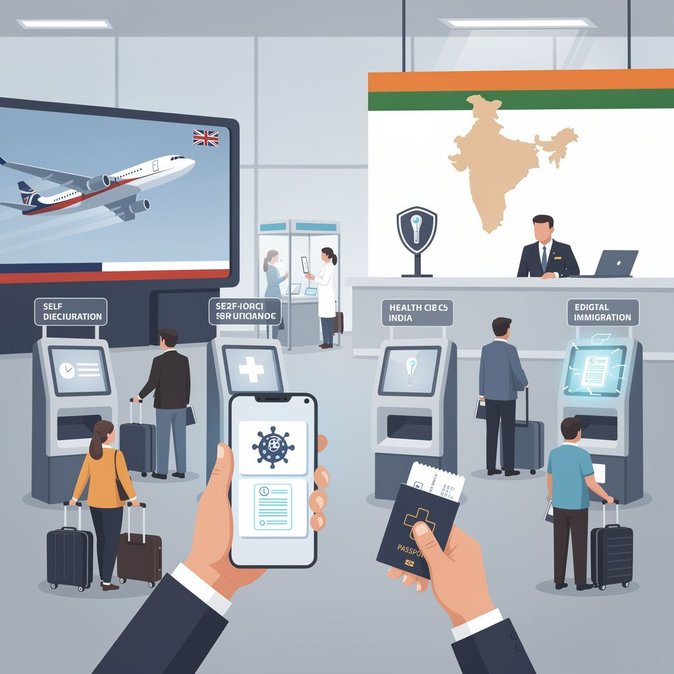
The UK Foreign, Commonwealth & Development Office (FCDO) quietly pushed out a new edition of its India travel advice in the early hours of 17 July 2026. Two elements stand out for globally mobile companies and their staff. First, every passenger bound for India – including business travellers and returning residents – must now file an on-line health Self-Declaration Form (SDF) on the upgraded Air Suvidha 2.0 portal within 24 hours of the first flight segment. The Bureau of Immigration has linked the form to check-in systems; without the auto-generated QR code, travellers can be denied boarding or delayed at immigration counters on arrival. While the provision has existed on paper since late June following the World Health Organization’s declaration of an Ebola Public Health Emergency of International Concern, the FCDO’s alert is a signal that Indian authorities will start strict enforcement. Mobility managers should update pre-departure check-lists, educate assignees on the one-time password (OTP) requirement – only Indian mobile numbers receive the OTP – and consider providing local contact numbers for non-resident travellers. Second, the advice notes operational changes in India’s new electronic Overseas Citizen of India (e-OCI) card. From this week, newly-approved OCI holders no longer receive a physical booklet; their status is verified digitally at all 117 Immigration Check-Posts. Employers still need to retain the printable e-OCI PDF in personnel files because the Foreigners Regional Registration Office (FRRO) may request it during compliance inspections. Beyond entry formalities, the update reiterates longstanding restrictions on travel within 10 km of the India-Pakistan border. Companies running projects in Punjab or Rajasthan should re-check Travel Security Policies and trigger higher approval thresholds for field visits. Why it matters: India is in peak monsoon travel season and is simultaneously tightening bio-surveillance at ports of entry. Missing an SDF submission will strand travellers at the gate; confusion over digital OCI evidence can delay dependent passes and local payroll registration. The FCDO alert gives global mobility teams a needed nudge to re-issue traveller briefings and to embed the new documentation requirements in booking workflows.