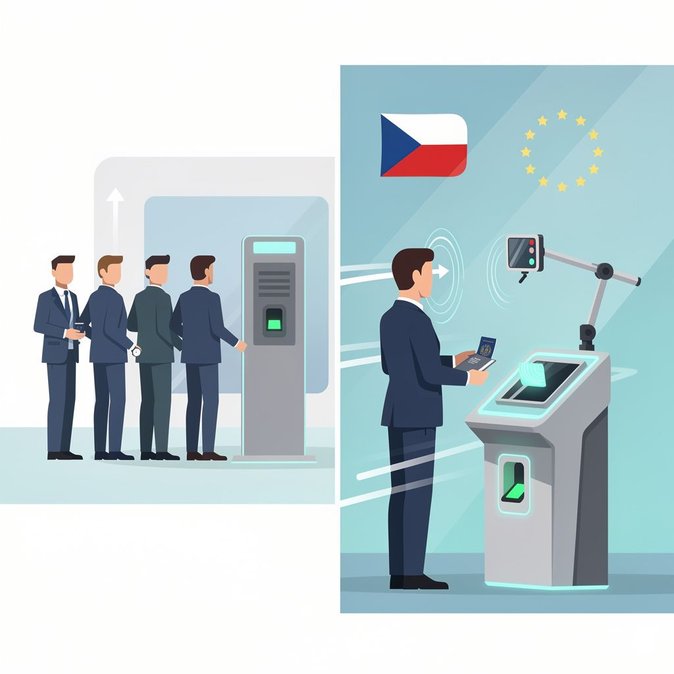
Meeting in Brussels on 14 September 2026, the Council of the EU’s Visa Working Party put two sensitive issues on the table: a draft discussion paper to raise Schengen visa fees from €80 to €100, and benchmark criteria for evaluating emerging digital-nomad visa schemes across Member States. The Czech delegation, led by Director of Consular Policy Petra Holá, supported both initiatives but urged a short transition timeline. Holá argued that higher fees are justified by the costly roll-out of biometric upgrades and cybersecurity measures linked to the VIS 2.0 programme. She noted that Czech consulates face a €5 million annual gap between actual processing costs and revenue, warning that without harmonised pricing Member States risk a “race to the bottom” that would undermine security investment. On digital nomads, Prague endorsed the Commission’s proposal to measure schemes against three core indicators—minimum income thresholds, mandatory health insurance and tax-residency safeguards. The Czech Republic launched its own Digital Nomad Programme in 2023 but still caps annual intake at 2 000. Officials told the working party they are ready to lift the quota once common EU benchmarks prevent “permit tourism.” Business associations welcomed the Czech stance. “Fee stability and transparent remote-work rules are critical for companies that rotate IT staff across Europe,” said Jana Novotná, head of mobility at the Confederation of Industry. Final decisions will move to Coreper in October, but insiders expect only minor tweaks. If adopted, fee changes could come into force as early as May 2027, so employers should budget accordingly. Digital-nomad harmonisation will likely take longer as it may require a new EU directive.