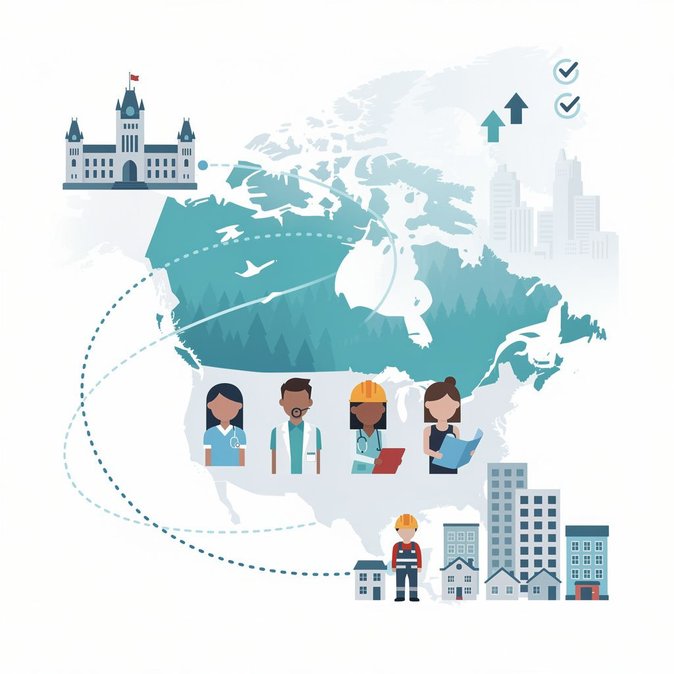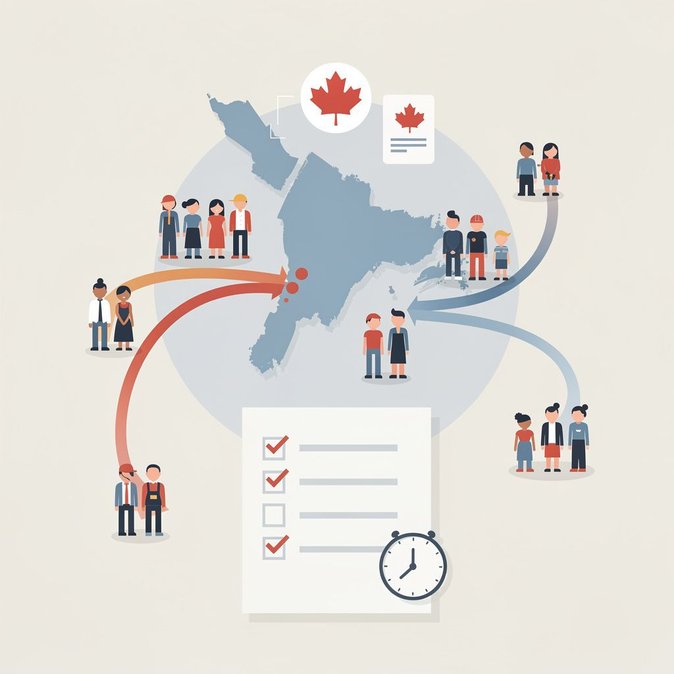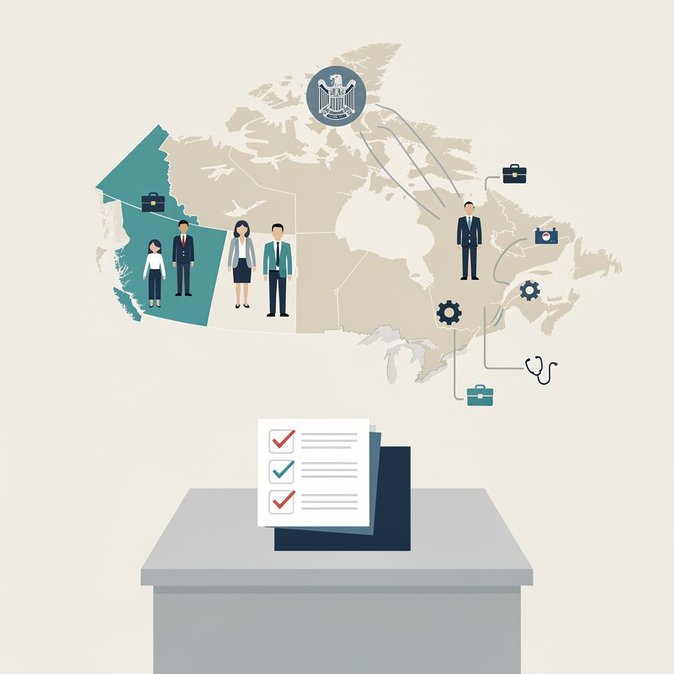
Analysts are still unpacking Canada’s 2026 federal budget, but one theme is already clear: Ottawa is handing more of the immigration steering wheel to provinces and territories. Speaking to reporters in Victoria on 15 November, scholars at the University of British Columbia said the modest national increase in Provincial Nominee Program (PNP) admissions to 95,000 in 2027 masks a larger shift—greater flexibility for provinces to decide who fills those spots. Immigration Minister Lena Metlege Diab framed the move as a “partnership” that lets local governments fine-tune streams for chronic labour shortages. B.C. received 6,254 nominations in 2026, compared with Ontario’s 14,119, but experts expect the province’s 2027 allocation to rise once Ottawa finishes consultations early next year. The change could be a game-changer for sectors such as health care, construction and agri-tech, which Premier-designate Lorne Doerkson says will be prioritised. Employers welcomed the prospect of faster access to nurses and skilled trades through provincial draws that can be tailored to regional wage data rather than federal averages. For global-mobility managers, the takeaway is to watch provincial immigration calendars as closely as federal Express Entry rounds. More provincial discretion may also mean greater variation in selection criteria, so companies that move staff across provinces will need to track local rules and update mobility policies accordingly. While overall permanent-resident admissions stay flat at 380,000 from 2027 to 2029, the budget also includes a one-time measure to transition up to 200,000 temporary residents already in Canada—another sign that status conversion rather than new inflows will dominate the next planning cycle.
Source: MyCowichanValleyNow