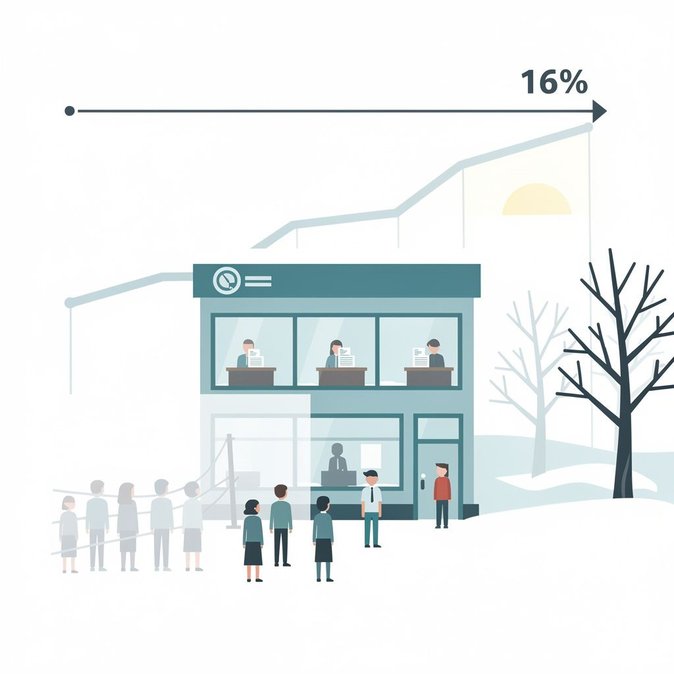
The State Secretariat for Migration (SEM) has published its monthly statistics, showing that Switzerland registered 2 210 new asylum applications in October 2026, 433 fewer than in the same month last year. Afghanistan remained the top country of origin (498 claims), followed by Eritrea, Algeria, Ethiopia and Somalia. Primary applications fell by 16 % and secondary requests—mostly family reunifications and births—by 19 %. First-instance officers decided 2 419 cases in October, granting asylum to 567 people. A total of 732 individuals left Switzerland, 418 of them voluntarily. Returns to Dublin-state partners and assisted departures continue to outnumber forced removals, reflecting Bern’s emphasis on “dignified return”. The decline fits a broader 2026 trend: year-to-date applications are 17 % below 2025 levels, helped by tighter EU external-border controls and Switzerland’s own visa-policy tweaks, including resumed biometric-passport requirements for certain nationalities. For employers the figures matter because the federal accommodation network is under less pressure, reducing the likelihood of sudden capacity reallocations that can delay work-permit processing. Mobility managers should nevertheless watch winter numbers: SEM warns that seasonal upticks and temporary closure of one Bundesasylzentrum for renovation will require activating extra shelters—potentially shifting staff resources away from permit desks in early 2027. The monthly bulletin also feeds into the Federal Council’s deliberations on quota allocations and integration funding for the 2027–2030 period, decisions that will shape the regulatory environment for corporate immigration in coming years.