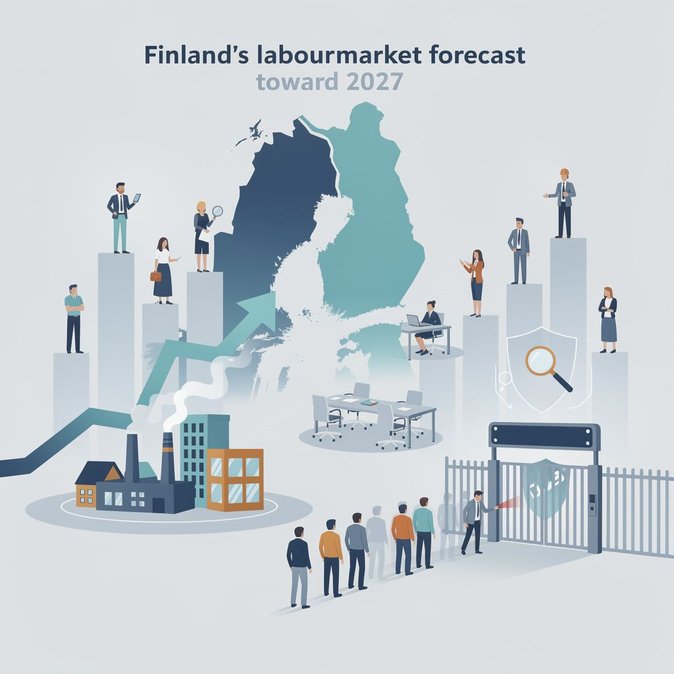
The Finnish Innovation Fund Sitra and the Ministry of Economic Affairs and Employment have convened the country’s largest ever citizens’ assembly to develop recommendations on work-based immigration. The forum, which opened in Helsinki on 17 November 2026, brings together just over 100 randomly selected residents—drawn from 1,601 volunteers representing every region and demographic group. Over two in-person weekends and four online evenings running until February 2027, participants will study labour-market data, hear experts and debate how Finland should attract, integrate and retain foreign talent. Their final statement will be delivered to ministers well ahead of the 2027 parliamentary election, giving political parties and civil servants fresh, citizen-endorsed ideas on topics ranging from skills shortages to social cohesion. Citizens’ assemblies have become popular deliberative tools in Ireland, France and elsewhere, but this is the first time Finland has used the model for migration policy. Organisers hope the process will cool polarised debate by giving ordinary people time and evidence to weigh complex trade-offs—for example between rapid talent pipelines and safeguards against exploitation. Sitra researchers stress that a “mini-Finland” chosen by lot can spot practical bottlenecks that experts overlook. For employers, the exercise signals that future reforms—such as streamlined permit processes for high-demand occupations or regional pilot programmes—may enjoy broader social legitimacy. Global mobility managers should track the assembly’s interim findings, scheduled to be published on Sitra’s website, as they could foreshadow regulatory tweaks affecting recruitment timelines or integration obligations. The assembly is part of a wider participation project that has already run 60 regional dialogues and an online discussion platform attracting 12,000 comments. Taken together, the initiative demonstrates Helsinki’s determination to anchor labour-migration strategy in evidence and public consent, potentially providing a European template for inclusive policy-making.
Source: Sitra Press Release