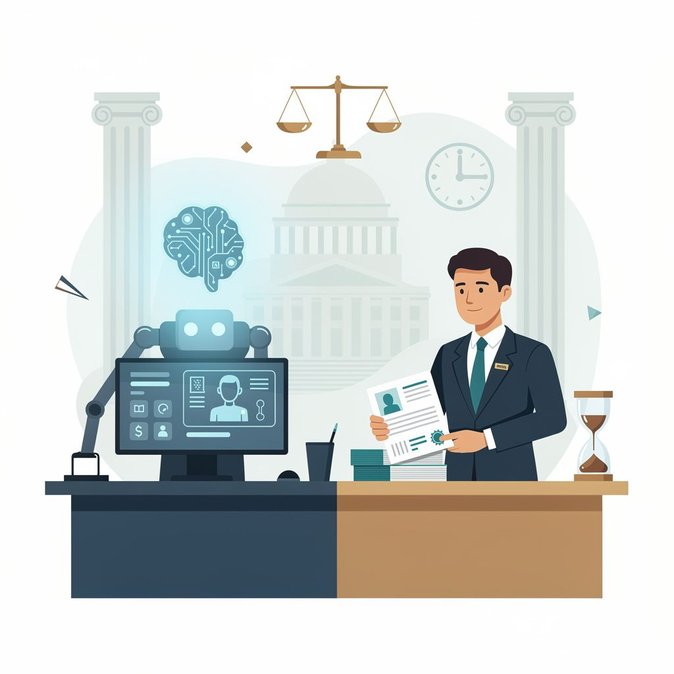
Buried in Tuesday’s 120-page list of amendments for the Immigration and Asylum Bill is New Clause 20, which would prohibit “decisions with legal or similarly significant effects” in the immigration, asylum or modern-slavery systems from being taken by—or with the assistance of—artificial-intelligence systems that process personal data. The clause, debated on 17 November, reflects wider parliamentary concern over algorithmic bias after high-profile errors in student visa and right-to-work checks. If retained in the final Act, the measure would oblige the Home Office to ensure that a human decision-maker reviews any automated risk score before refusing a visa or revoking status. Technology suppliers would also have to provide explainability documentation. For employers, the change could reduce sudden system-generated suspensions of sponsor licences but may lengthen processing times as manual oversight is added. The clause dovetails with the government’s forthcoming Digital Regulation Bill, suggesting that immigration will serve as an early test-bed for AI accountability. Legal commentators expect secondary legislation to spell out exemptions—such as automated triage for low-risk visit visas—but stress that sponsors should be prepared to challenge any refusal where AI played an undisclosed role.