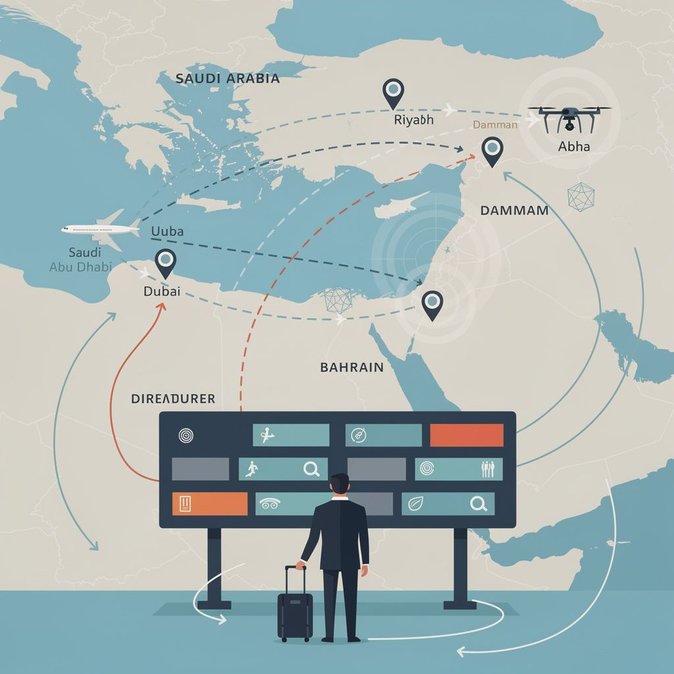
Air travellers in the UAE woke on 18 November to a fresh round of flight-status alerts after Etihad Airways and flydubai prolonged suspensions on key Saudi Arabian routes amid a surge in cross-Gulf drone and missile activity. Etihad cancelled all Abu Dhabi-Riyadh and Abu Dhabi-Dammam services until at least 30 November, while flydubai axed Dubai-Riyadh and Dubai-Abha services through 27 November and trimmed its Dammam schedule. Emirates continues to run a patchwork of Saudi flights, and Air Arabia’s Sharjah services are operating with ad-hoc cancellations. The latest timetable shake-up follows Bahrain’s overnight interception of Iranian drones and Kuwait’s similar action on 17 November. Combined with an EU Aviation Safety Agency (EASA) notice extending conflict-zone warnings for Gulf airspace, the incidents add operational risk and cost for UAE carriers. Airlines are re-routing aircraft further south, increasing block times and jet-fuel burn at the very moment high season demand begins to peak ahead of UAE National Day and the school winter break. Corporate travel managers should brace for rolling schedule changes, higher fares on still-operating sectors and tighter inventory on alternative routings via Doha or Muscat. Companies with short-notice missions to Saudi Arabia are advised to build contingency days into itineraries and to check entry-permit validity if rerouted through third-country airports. Insurers also warn that sudden overnight diversions can leave travellers without pre-approved medical coverage in transit points. Risk teams should ensure their emergency-assistance providers recognise Muscat, Kuwait and Doha as routing alternates to the Kingdom. UAE authorities have not issued new travel advisories, but the General Civil Aviation Authority continues to liaise with carriers on security assessments. Travellers are urged to reconfirm flights within 24 hours of departure and allow extra time at check-in in case of gate changes or aircraft swaps.
Source: Gulf News