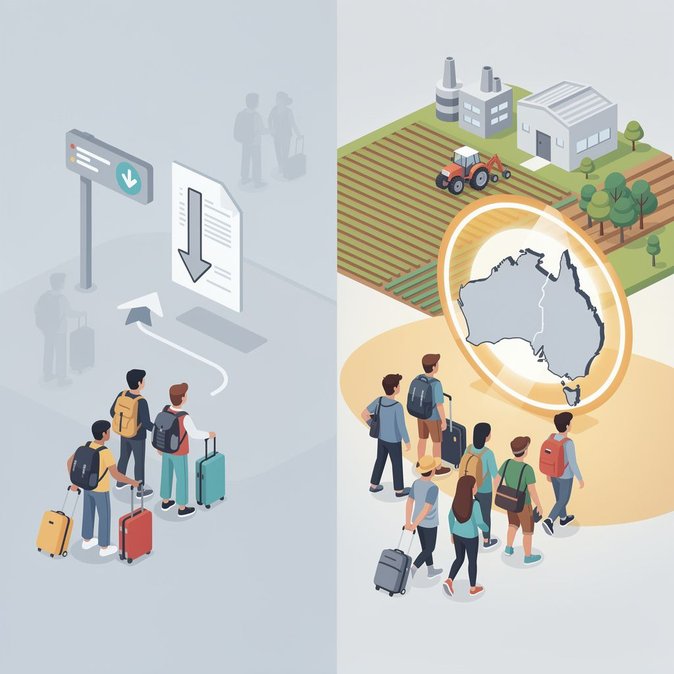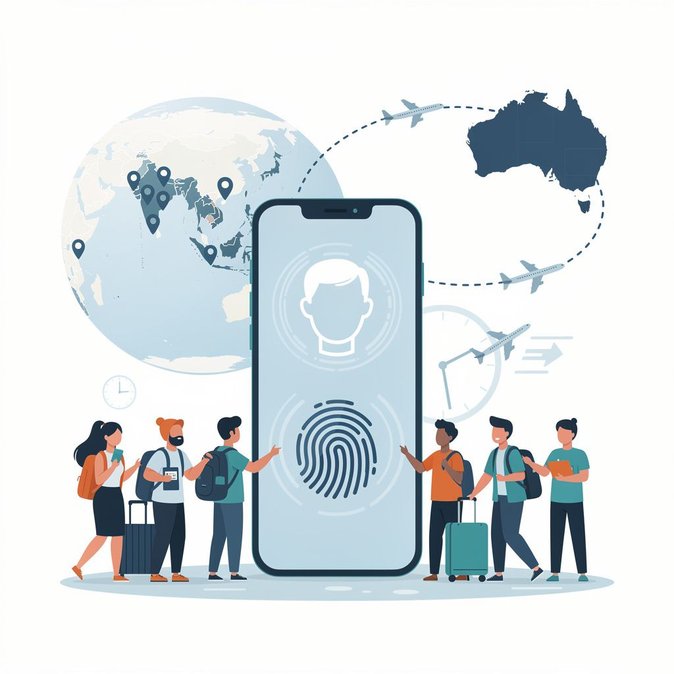
The Department of Home Affairs quietly rolled out the latest update to its Immi mobile application on 18 November, extending remote biometric collection to visa applicants in India, Laos, Mongolia, Myanmar and Vietnam. The expansion brings the total number of eligible countries to 52, giving applicants the ability to capture passport images and facial biometrics on their smartphones rather than travelling to an Australian Visa Application Centre. The feature was first piloted in 2025 for low-risk visitor visa cohorts and has since been adopted for student, training and short-stay business subclasses. Home Affairs says mobile lodgement can shave several days off processing times by eliminating logistics and allowing instant identity verification against Interpol and Five-Country Conference watch-lists. For employers relocating staff from secondary cities, the change removes a major cost and scheduling hurdle. Previously, applicants from Vientiane or Ulaanbaatar, for example, faced international travel just to submit fingerprints and photos. They can now complete the step in minutes once they have a secure internet connection and a device that meets minimum camera specifications. The government emphasises that high-risk cohorts may still be asked to attend in-person appointments and that digital submissions must comply with lighting and background rules to avoid rejection. Mobility teams should update pre-departure checklists and ensure that employees use the latest version of the Immi App to access the function.