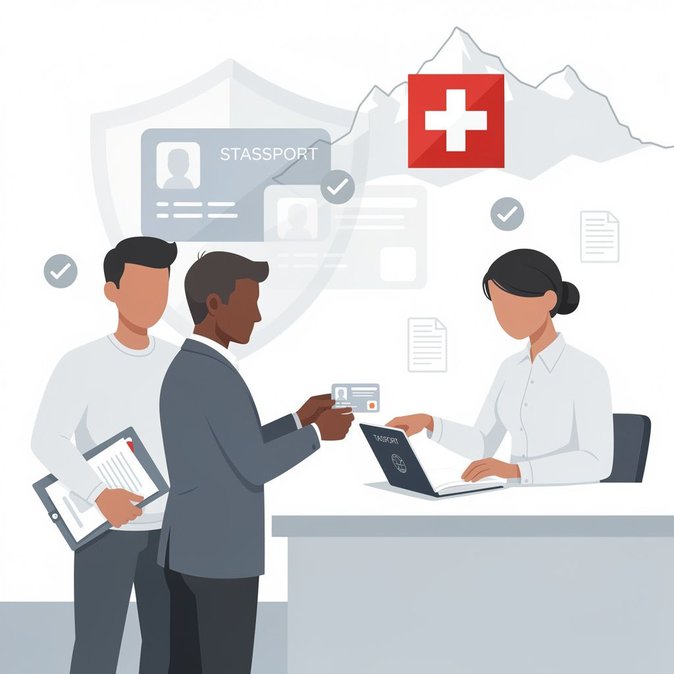
At its 2026 annual conference in Bern on 17 November, the Federal Migration Commission (EKM/CFM) called on cantons and employers to remove practical barriers preventing women with refugee backgrounds from entering the Swiss workforce. Speakers from SEM, industry group GastroSuisse and NGO Humanrights.ch highlighted obstacles such as childcare shortages, non-recognition of foreign qualifications and limited language courses compatible with caregiving duties. The commission recommended pilot projects that bundle language tuition with workplace internships and advocated for federal subsidies to extend crèche hours so that single mothers can accept shift work. It also floated the idea of a fast-track skills assessment passport, allowing HR departments to gauge competencies without waiting for lengthy diploma equivalency rulings. With employers facing acute shortages in hospitality and health care, integrating qualified refugee women could ease recruitment pressure, particularly in peripheral regions where cross-border commuting is less common. For global mobility teams, the recommendations signal that spouses of transferred employees who hold protection status may find improved pathways into paid employment, supporting family stability during assignments. The commission will forward detailed proposals to the Federal Council in early 2027; some measures could be enacted at cantonal level sooner through existing integration credits.