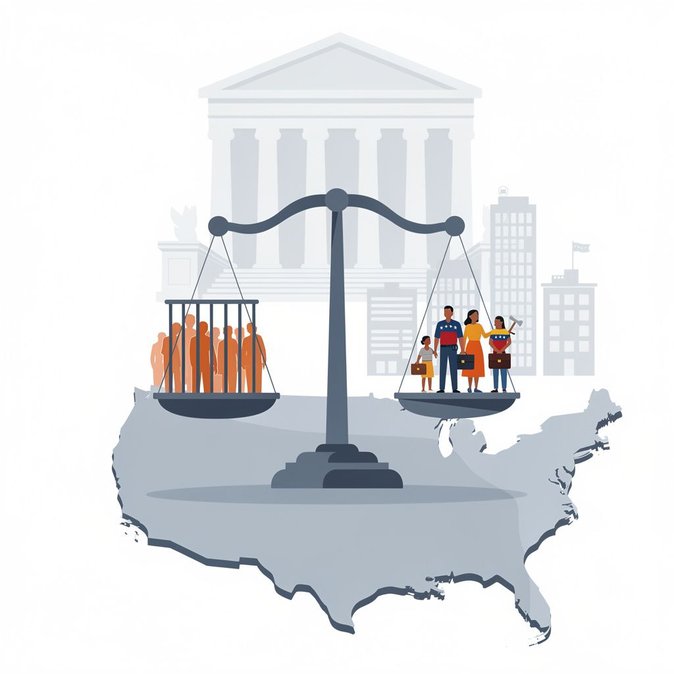
Late on November 18, the Department of Justice petitioned the U.S. Supreme Court to stay a lower-court mandate that would reinstate Temporary Protected Status (TPS) for some 1,800 Venezuelan nationals and compel their release from detention. If the stay is not granted before Friday, the government warns, work authorization would automatically attach to those individuals, complicating ongoing removal operations. The administration argues that the district-court ruling—upheld only briefly by the appellate court—improperly intrudes on executive discretion in foreign-policy and migration-management matters. Immigrant-rights groups counter that the government failed to consider humanitarian conditions in Venezuela and violated the Administrative Procedure Act when it ended TPS last year. For employers, the immediate question is whether a sudden influx of Venezuelan workers with provisional employment authorization documents (EADs) will enter the labor market. Industries already tapping TPS holders—hospitality, construction, and elder-care services—are preparing onboarding packets in case the stay is denied. From a compliance perspective, mobility practitioners should be ready to update I-9 guidance quickly: employees presenting TPS-related EADs may have automatic extensions under 8 C.F.R. § 274a.12. Counsel also advise tracking deadlines—if the Supreme Court issues a temporary administrative stay, the status of affected workers could fluctuate within days, affecting project staffing and health-insurance eligibility. Beyond corporate implications, the petition signals a broader litigation strategy: the administration has already terminated or curtailed TPS designations for Haiti and Syria this year, moves the high court allowed to proceed. A reversal in the Venezuelan case could slow that momentum.
Source: Associated Press