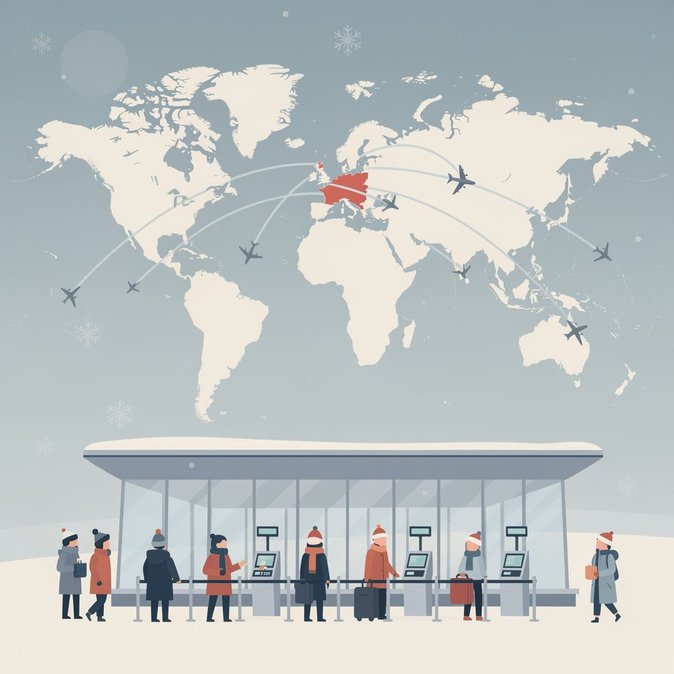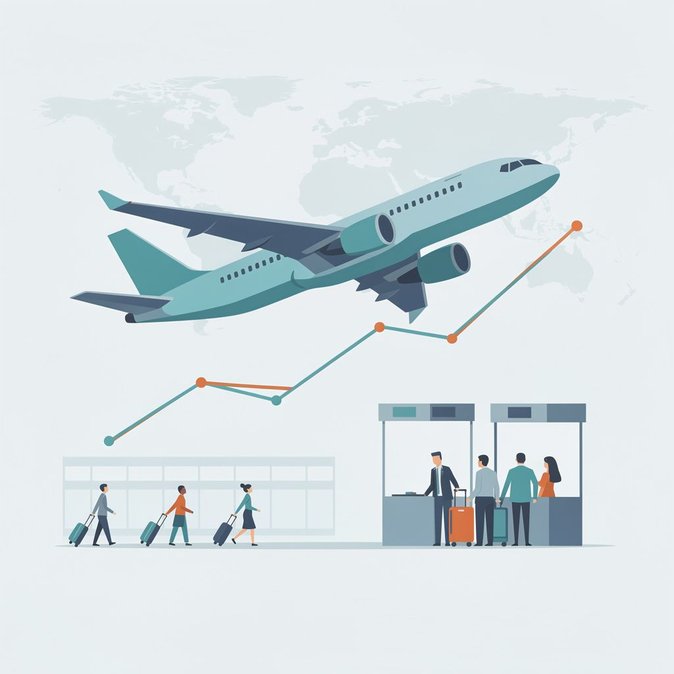
Preliminary figures released on 19 November indicate that 4.9 million international travellers entered Canada by air or automobile in October 2026, a 4.2 percent increase year-on-year. The snapshot—compiled by Statistics Canada from CBSA primary-inspection data—suggests travel volumes have recovered to roughly 92 percent of the pre-pandemic October 2019 baseline. The growth was powered by U.S. same-day car trips and a steady rebound in overseas leisure travel, particularly from the United Kingdom, Mexico and South Korea. Air-arrival numbers were lifted by expanded capacity on trans-Pacific routes and Canada’s new open-skies agreement with the European Union, which took effect in September. Business-travel analysts note that conference traffic centred on Toronto and Montréal has also rebounded as firms finalise 2027 budgets. For mobility managers, the data translate to fuller flights and tighter hotel inventory during the winter convention season. Corporations should lock in travel blocks early and monitor CBSA processing-time dashboards, especially at Toronto Pearson and Vancouver International where peak-hour international queues have lengthened by up to 15 minutes compared with last year. On the policy front, sustained volume growth bolsters Ottawa’s case for additional investment in border modernisation and NEXUS lane expansion. CBSA recently integrated NEXUS Highway data into the leading-indicator dataset, allowing more granular forecasting of land-border flows—a boon for companies that rely on cross-border trucking schedules. While October’s numbers are encouraging, analysts caution that elevated inflation and a strong U.S. dollar could dampen inbound leisure demand in early 2027. Travel suppliers are therefore diversifying toward higher-yield segments such as meetings, incentives, conferences and exhibitions (MICE) travel and premium leisure.