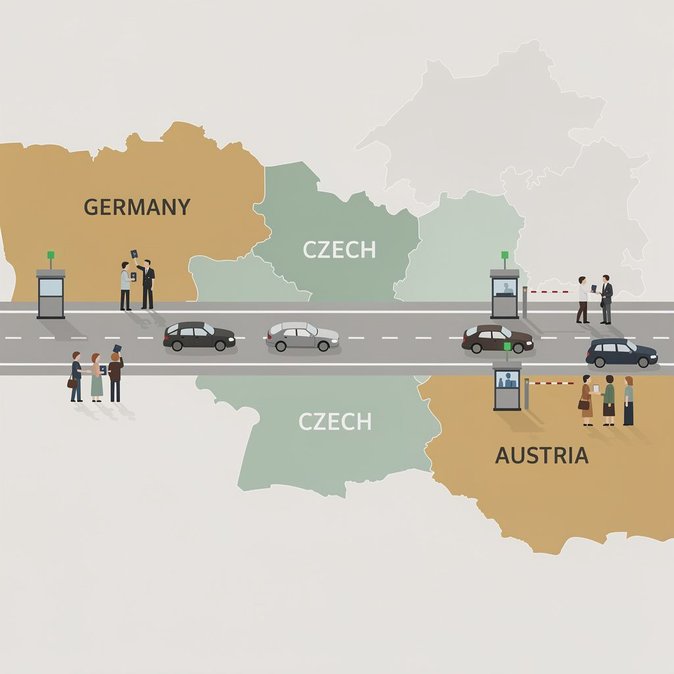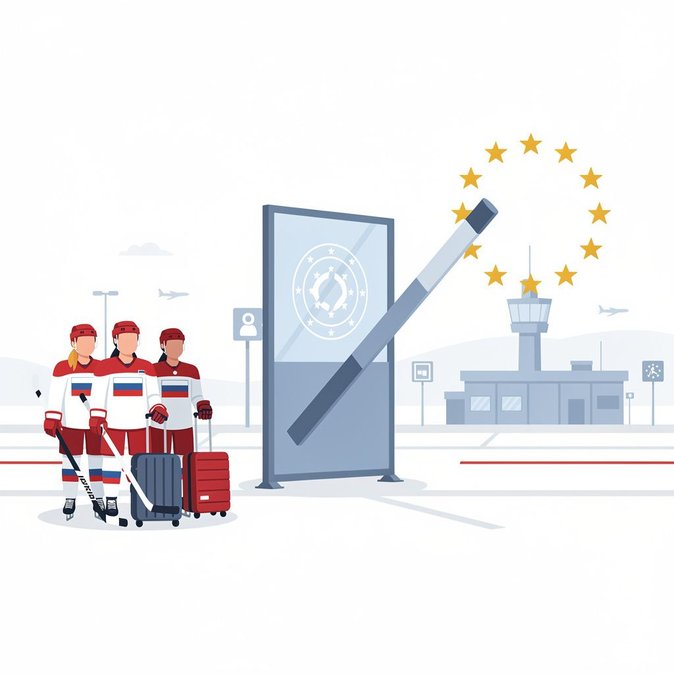
Speaking to Czech Television on 18 November, Interior Minister Lubomír Metnar reiterated that Prague will not issue entry visas to Russian citizens selected for the 2027 IIHF Under-18 Women’s Ice-Hockey World Championship, which the country will host in January. Under government resolutions adopted after Moscow’s full-scale invasion of Ukraine, the Ministry of the Interior may refuse visas and entry permits to Russian nationals whose presence is considered contrary to the security interests of the Czech Republic. The minister stressed that the ban extends to support staff and that existing exemptions for humanitarian travel do not apply to sporting events. Metnar also warned that athletes who manage to obtain a Schengen visa from another member state will still be denied access at the Czech border. Under Article 6(1)(e) of the Schengen Borders Code, member states may refuse entry on grounds of public policy, public security or international relations. The Ministry has instructed the police directorate at Václav Havel Airport Prague and land-border units to prepare for secondary checks and potential refusals. The position puts Prague on a collision course with the Court of Arbitration for Sport, which ruled on 30 October that Russian teams must be readmitted to IIHF events. The IIHF has so far declined to comment on how it will handle a host nation refusing to accredit a qualified team. Sports lawyers note that while CAS decisions are binding on federations, they cannot override sovereign immigration powers. Event organisers may therefore be forced either to relocate the tournament or accept a competition without the Russian squad. For companies moving staff to the championship—whether broadcasters, sponsors or equipment suppliers—the zero-visa stance has immediate operational consequences. Travel managers should brief teams that any passport bearing a Russian Federation nationality code will lead to denial of boarding or entry. Firms that normally rely on EU-wide multiple-entry Schengen visas should verify the nationality of each travelling contractor and consider rerouting freight operations through EU hubs outside Czechia to avoid delays. The episode underlines how foreign-policy sanctions are now being enforced through operational border-control channels rather than purely through sports-governing bodies. Multinationals with workforce mobility programmes into Central Europe should monitor further announcements, as Prague has hinted it may expand the athlete ban to other high-profile tournaments scheduled for 2027 and 2028.
Source: Reuters via StreetInsider