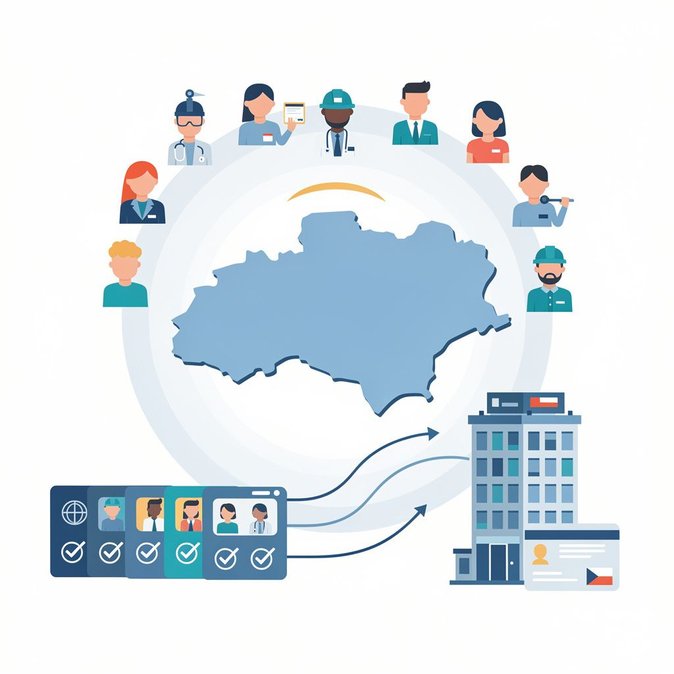
Legal scholars, government officials and NGO representatives gathered in Prague on Thursday, 19 November, for a panel hosted by the Czech Public Defender of Rights (ombudsman) and the EU Agency for Fundamental Rights (FRA) to examine how artificial-intelligence tools are creeping into immigration decision-making. Speakers noted that the Ministry of the Interior already relies on risk-profiling algorithms to flag potentially fraudulent visa and residence applications, while the Foreign Police tests facial-recognition software at Prague Airport’s e-gates. Although authorities insist that automated systems merely assist human officers, civil-society groups warned that opaque scoring models could amplify bias and lead to wrongful rejections or detention orders. The FRA presented preliminary findings from its forthcoming report “AI at Europe’s Borders 2027”, which urges Member States to carry out algorithmic-impact assessments and guarantee manual override rights for applicants. Czech judges attending the event highlighted recent cases in which courts had to order the ministry to disclose how risk scores were calculated—information applicants need to mount an effective appeal under EU procedural-rights directives. For corporate mobility teams the discussion is more than academic: if predictive analytics become embedded in employer-sponsored visa streams, documentary inconsistencies or gaps in travel history could trigger red flags long before an officer reviews the file. Experts therefore advised companies to double-check data accuracy, especially when using third-party relocation platforms that feed information directly into the Interior Ministry’s ICAS e-filing portal. The ombudsman’s office concluded by announcing a public consultation on draft guidelines for “explainable AI” in migration proceedings, scheduled for early 2027. Businesses that hire large numbers of foreign workers are encouraged to submit comments, as the guidelines may shape future compliance obligations and appeal strategies.
Source: EU Agency for Fundamental Rights