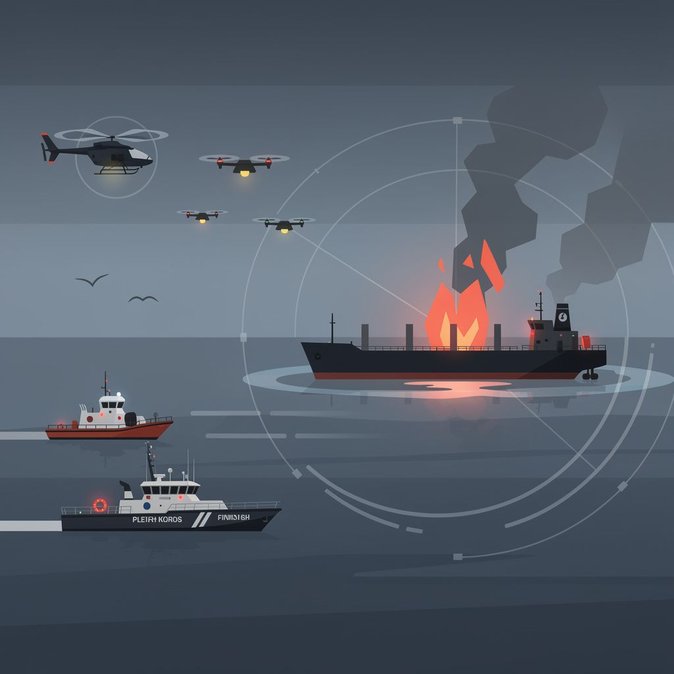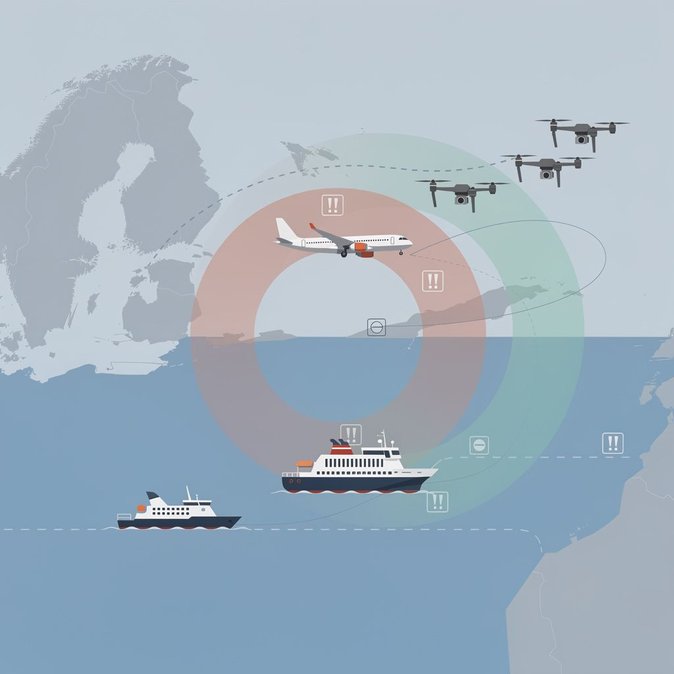
Finland’s Defence Forces (FDF) briefly closed sections of airspace and sea lanes above and around the eastern Gulf of Finland twice on Saturday, 21 November 2026. At 04:15 local time (02:15 UTC) the FDF activated a Temporary Flight Restriction (TFR) stretching roughly 50 km off the southeastern coast, followed five minutes later by a maritime exclusion zone. Both measures were lifted at 07:43 but reinstated at 09:33 when fresh drone activity was detected across the border in Russia’s Leningrad oblast. The restrictions were precautionary, aimed at protecting civilian aircraft and commercial shipping while authorities stood ready to intercept unmanned aerial vehicles (UAVs) that might stray into Finnish territory. Similar closures have occurred half-a-dozen times this year, usually in response to Ukrainian drone strikes on Russian military targets and the subsequent risk of wayward drones or air-defence debris. Although the FDF stressed that no direct threat to Finland was identified, the move has immediate implications for airlines, logistics firms and corporate travellers. Fintraffic ANS routed morning traffic south of Tallinn, causing delays of up to 25 minutes on Finnair’s Helsinki–Tokyo and Lufthansa’s Frankfurt–Helsinki rotations. Tallink Silja redirected two ro-pax ferries through Estonia’s territorial waters, adding one hour to scheduled arrival times in Turku and Helsinki. Traficom issued a NOTAM (A6596/26) establishing restricted area EFR1910 up to FL 660 until noon. The episode underscores how the Russia–Ukraine conflict has become a day-to-day operational risk for companies with staff or cargo moving through Finnish gateways. Multinationals have already adjusted duty-of-care protocols: several Nordic insurers now require real-time flight-tracking for employees transiting Helsinki FIR, while port agents along the Gulf of Finland have raised readiness levels for environmental response teams. The pattern of short-notice TFRs also means that charter operators and business-aviation planners must file flexible flight plans and add fuel reserves for potential rerouting. From a policy perspective, the restrictions test Finland’s recently extended Border Security Act, which gives authorities broad powers to close border crossing points and limit movement when “instrumentalised migration or hostile state activity” is suspected. Legal scholars argue that the Act’s language on airspace and maritime measures could become a template inside NATO for dealing with grey-zone incursions that stop short of an outright attack. Practical advice for travellers: check NOTAMs (via EAD or Finavia) before departure, allow buffer time for connections at Helsinki-Vantaa, and monitor operator messages if shipping goods through HaminaKotka or Vuosaari. Airlines should keep crews briefed on amended contingency routes and be prepared for altitude or speed constraints inside Helsinki FIR for the remainder of the weekend.
Source: Yle / Anadolu Agency
How VisaHQ can help
VisaHQ simplifies the visa application process for individuals and businesses. Check current travel requirements, prepare the required documents and manage your application online through the VisaHQ Finland portal.More From Finland
View all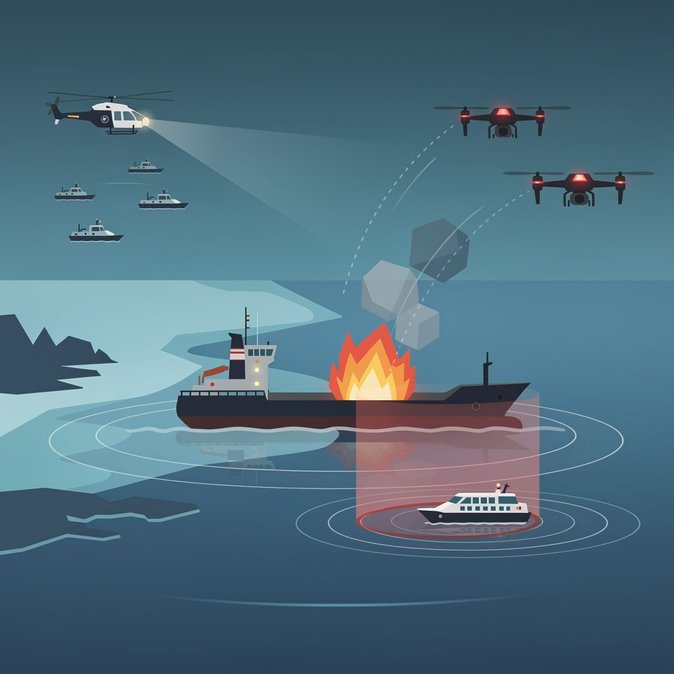
Drone strike ignites Russian cargo ship in Gulf of Finland, prompting Finnish border response
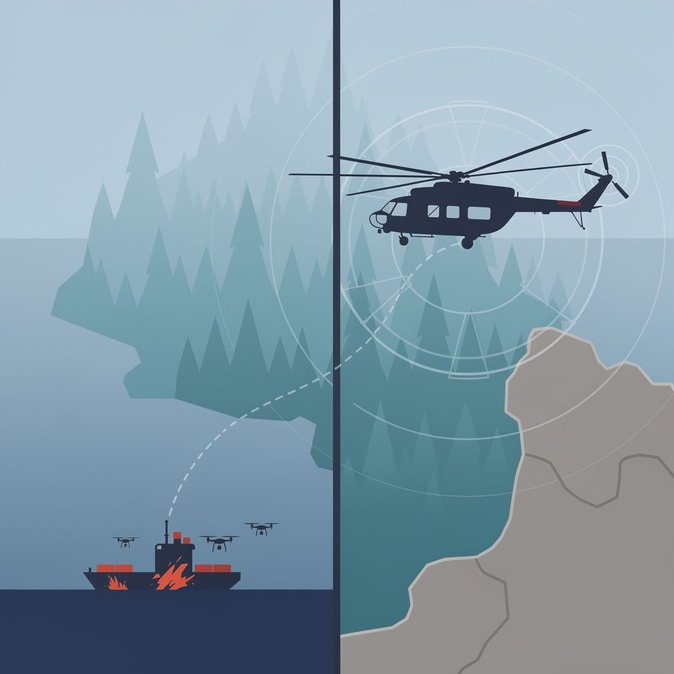
Finland investigates suspected Russian helicopter incursion 4 km inside national airspace