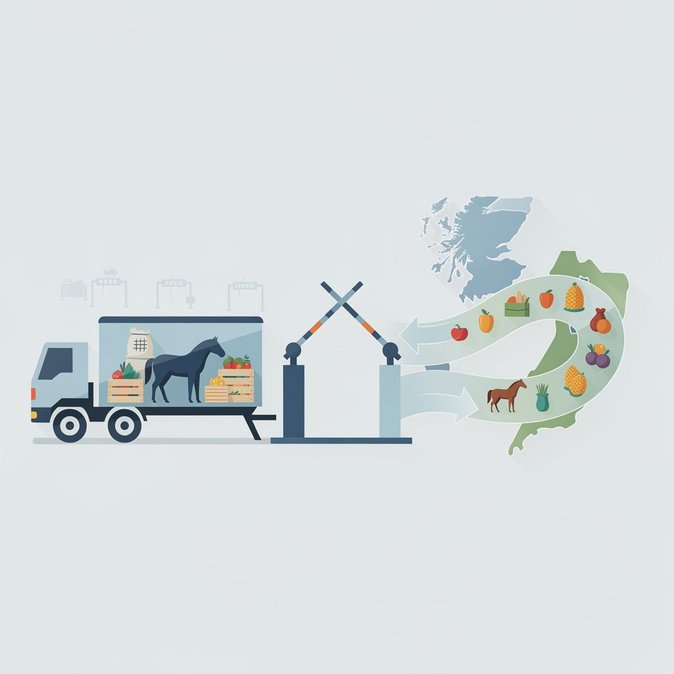
Moving sport horses between Britain and continental Europe—a logistical headache since Brexit—looks set to become simpler and cheaper after London and Brussels signed a wide-ranging sanitary and phytosanitary (SPS) agreement at last Friday’s summit. Equestrian journal Horse & Hound reports that, once implemented (target date 1 March 2028), “the vast majority” of live-animal transports will no longer require export health certificates or inspections at border control posts. Since 2021, each export certificate has cost up to £200 and lorry queues at Calais have stretched to six hours, undermining the UK’s position in European competition circuits and bloodstock sales. Under the new framework, horses moving temporarily for competition or sale will travel on a simplified document akin to the old Tripartite Agreement, subject to traceability conditions yet to be finalised. British Horse Council chair Jim Eyre hailed the deal as “the outcome we have been campaigning for”, though he cautioned that detailed rules on equine ID and bio-security still need drafting. For transport companies and event organisers, the accord could slash red-tape costs and minimise welfare risks linked to lengthy border waits. Businesses should, however, note the long lead-time to 2028 and continue budgeting for current certificate and inspection regimes. The UK government has also retained its ban on live export of horses for slaughter, a carve-out welcomed by welfare groups. Beyond the equestrian world, the agreement covers a wide range of agri-food products and is expected to smooth supply chains for UK retailers and hospitality firms reliant on “just-in-time” imports of fresh produce. Logistics operators may need to update procedural manuals in early 2027, when draft implementation guidance is due.
Source: Horse & Hound