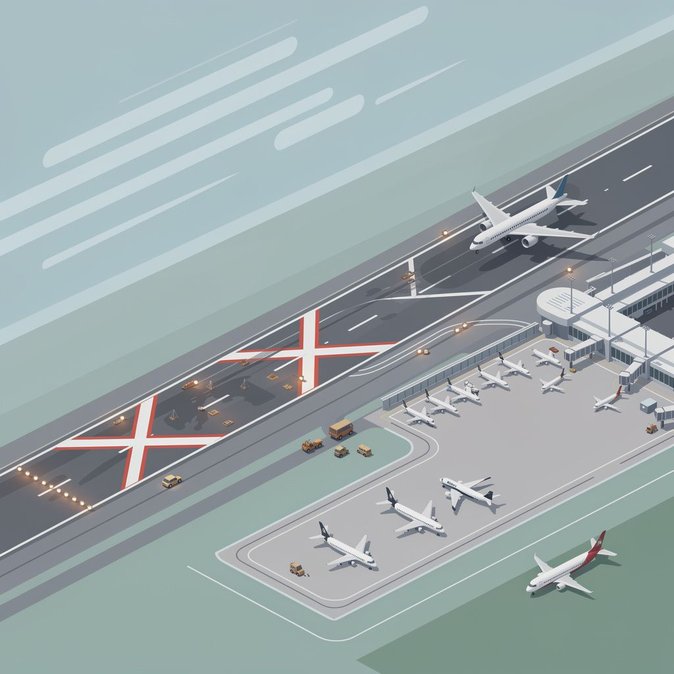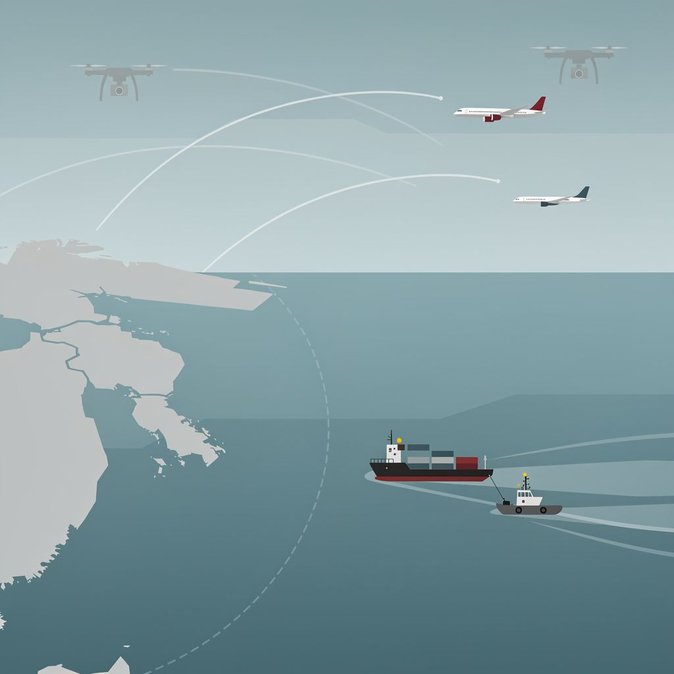
The Finnish Border Guard announced in the early hours of Monday, 23 November, that it has removed the temporary no-fly and no-sail zones it declared on Sunday evening after the drone-damaged Russian cargo vessel Sparta II was towed beyond Finland’s exclusive economic zone (EEZ). The restrictions, which had shut a 40-nautical-mile corridor of sea and the overlying airspace between Kotka and the Russian border, were imposed as firefighting crews battled residual hotspots on board the 132-metre container ship. According to the Border Guard’s situation report, the Russian rescue tug Murman, assisted by the Finnish patrol vessel Uisko and Estonia’s multifunctional ship Kindral Kurvits, secured Sparta II late on 22 November after infrared scans confirmed that the blaze had been extinguished. Once stability checks were completed, the convoy proceeded eastward, clearing Finnish territorial waters shortly before midnight. The authorities then cancelled the air-and-sea restrictions at 00:20 local time on 23 November. The two-day incident began early on Saturday when at least two drones reportedly struck Sparta II in international waters. The crippled vessel drifted into Finland’s search-and-rescue zone, compelling Helsinki to activate maritime and aviation exclusion areas twice on 21 November and again on 22 November as salvage operations intensified. Although the ship was carrying mixed containers, Finnish officials said no pollution had been detected. For carriers, logistics firms and business travellers, the lifting of the ban restores the shortest flight paths between Helsinki and destinations in Latvia, Lithuania and Poland and re-opens busy shipping lanes serving the ports of Kotka, Hamina and Hanko. Finavia confirmed that rerouted commercial flights have already reverted to normal routings, averting additional fuel costs and schedule disruption during the pre-Christmas peak. Nevertheless, the Border Guard warned that further drone activity in the eastern Gulf “cannot be ruled out” and advised airlines and operators to maintain contingency plans. The episode underscores how Russia’s war in Ukraine continues to spill into Baltic transport corridors and illustrates the speed with which Finnish authorities can lock down critical air-and-sea space. Corporate security managers should ensure travellers have real-time alerting tools and that freight forwarders file flexible flight plans when operating near Finland’s eastern frontier.
Source: Baltic Monitor
How VisaHQ can help
VisaHQ simplifies the visa application process for individuals and businesses. Check current travel requirements, prepare the required documents and manage your application online through the VisaHQ Finland portal.More From Finland
View all
Kela Highlights Major Overhaul of EU Social-Security Coordination Rules Affecting Mobile Workers in Finland
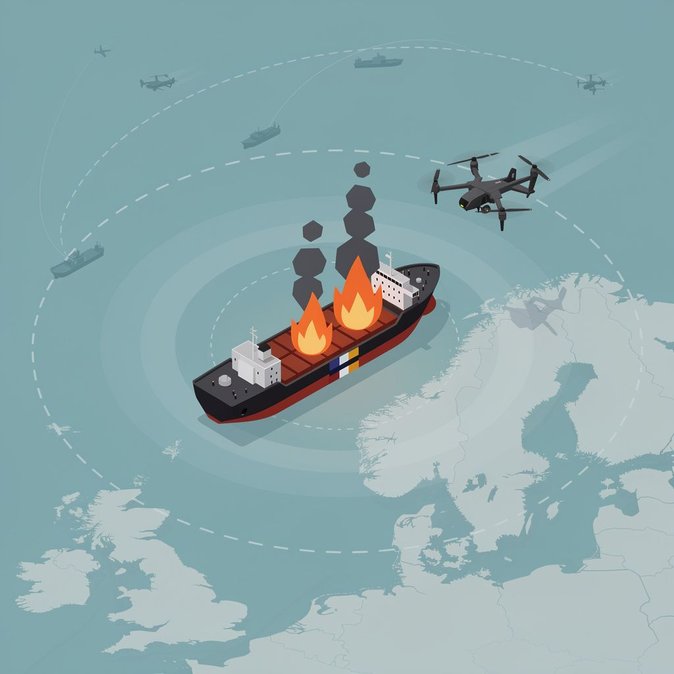
Finnish Coast Guard Battles Blaze on Drone-Hit Russian Cargo Ship, Imposes Temporary Maritime and Airspace Restrictions