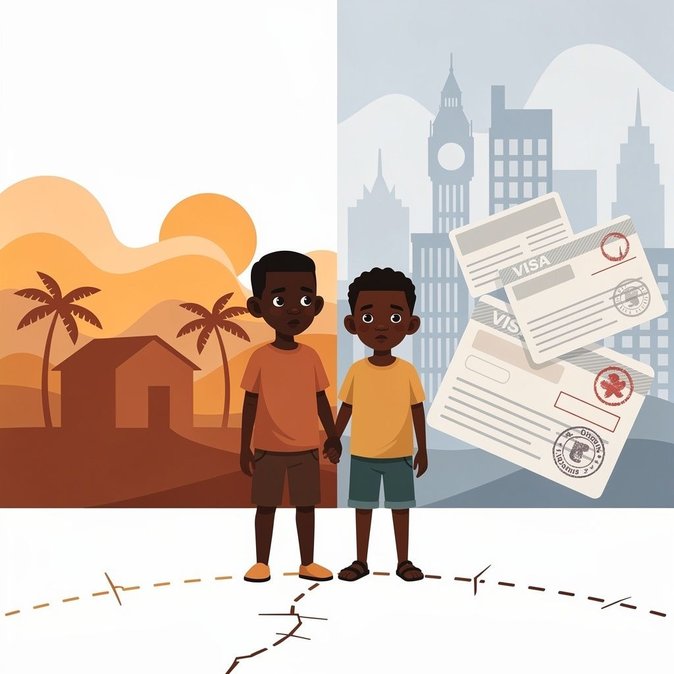
The Guardian has revealed another high-profile family-migration dispute implicating the Home Office’s decision-making. Two Ghanaian boys, aged 11 and 12, have spent a year without parental care after officials twice refused their applications to join their father in Northamptonshire. The children’s mother died in 2019; DNA evidence confirming paternity and testimony on Ghana’s dual-certificate system were dismissed. After the first refusal alleged forged documents, the Home Office reversed that claim yet rejected a second application, questioning the identity of the deceased mother—despite her death certificate being produced. Lawyers have launched a judicial review accusing the department of irrational and prolonged obstruction. A ruling is now unlikely before December 2027 following fresh delays notified last week. Campaigners say the case illustrates wider systemic issues: over-reliance on technical document errors, lack of cultural understanding of foreign civil-registration practices, and inadequate safeguards for children’s welfare. For employers sponsoring family dependants, the episode is a stark reminder that even straightforward reunification cases can stall, jeopardising staff wellbeing and retention. Immigration lawyers urge companies to provide additional pastoral support and—where possible—professional translation and certification of overseas documents at the outset. Meanwhile, MPs from the All-Party Parliamentary Group on Migration are pressing the Home Secretary for an urgent review of child-family reunion procedures.
Source: The Guardian