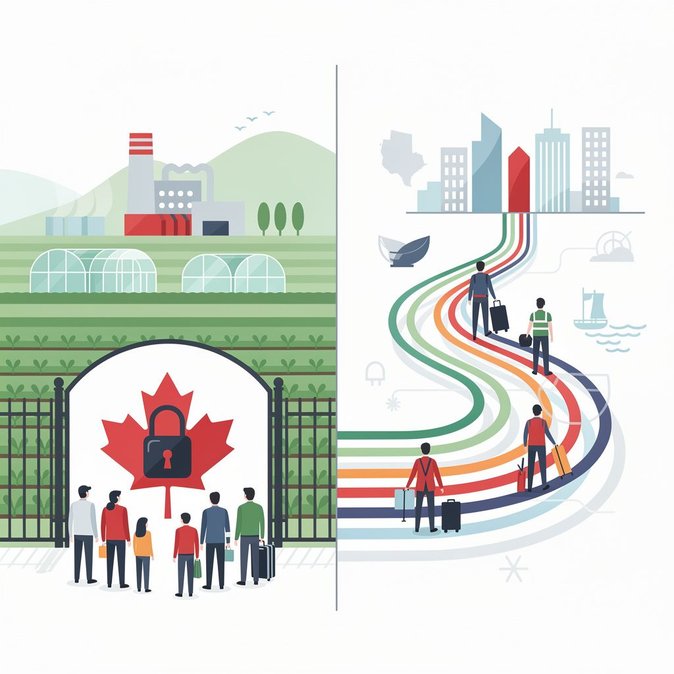
A new CIC Express briefing released 25 November 2026 tallies recent Provincial Nominee Program (PNP) activity across British Columbia, Manitoba, Alberta, Prince Edward Island and Newfoundland & Labrador. The five jurisdictions issued at least 1,757 invitations between 23 October and 20 November, illustrating provinces’ growing reliance on targeted immigration while federal Express Entry draws remain PNP-only. Key figures include British Columbia’s 13 November Skills Immigration draw (384 invitations), Manitoba’s 5 November EOI round (#283, 526 invitations), Alberta’s five draws (425 invitations), PEI’s 20 November round (116 invitations) and six separate Newfoundland & Labrador selections totalling 322 invitations across NLPNP and the Atlantic Immigration Program. Many streams required job offers in healthcare, construction trades or early-childhood education, reflecting sector-specific shortages. Alberta’s update is notable: by 4 November the province had used 6,108 of its 6,603 federal nomination spaces for 2026, signalling that quotas may be exhausted before year-end. Employers with Alberta candidates should accelerate submissions. Manitoba’s data show 49 invitations went to Express Entry candidates, emphasising opportunities for internationally recruited talent already in the federal pool. For global-mobility teams, the roundup highlights regional nuances: BC continues occupation-specific “Care and Build” draws; Manitoba favours in-province workers; Alberta is experimenting with rural and healthcare pathways; and Newfoundland & Labrador splits quotas between its PNP and the Atlantic Immigration Program. Multinationals should align workforce planning with each province’s remaining nomination space and priority sectors. The report also reminds candidates that a provincial nomination adds 600 CRS points—vital given that the 23 November federal draw invited only PNP nominees at a cutoff of 673. As Ottawa maintains lower overall admission targets, provincial streams will remain a critical lever for employers placing skilled workers in Canada’s regions.
Source: CIC Express