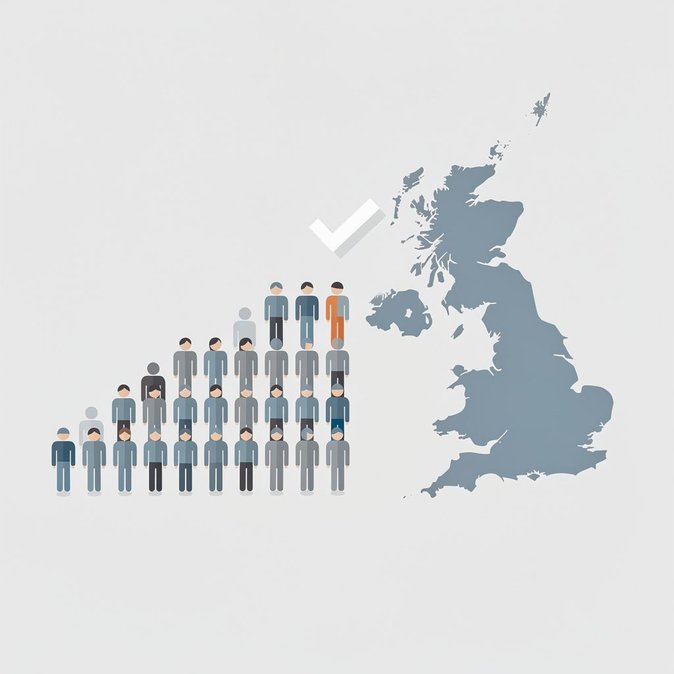
Business Standard, citing Bloomberg analysis, reports that the UK could record net migration of just 54,000 in the year to June 2026 – a figure not seen since 1993. Economist James Bowes of Warwick University points to three drivers: (1) stricter work-visa salary thresholds and the closure of lower-skill routes; (2) the July 2025 ban on most dependants of international students; and (3) a growing outflow of former students whose Graduate visas expire without a job offer. Oxford University’s Migration Observatory puts the figure higher, at roughly 120,000, but agrees that the trend is sharply downward. Official numbers will be released by the ONS on 26 November. The Home Office, keen to trumpet early success for its ‘earned settlement’ reform, privately expects a number somewhere in between but below 150,000. For global mobility managers the prospect of sub-100,000 net migration is double-edged. On the one hand, it may relieve public pressure for another abrupt overhaul of the points-based system. On the other, it signals a tighter labour market and could trigger further enforcement activity, especially around sponsor-licence compliance and right-to-work fines, as ministers look to sustain momentum. HR teams should monitor Thursday’s data release and prepare briefing lines for senior leadership. If the headline comes in below 100,000, corporate lobby groups are likely to seek carve-outs for high-value sectors in the December Immigration Rules statement.