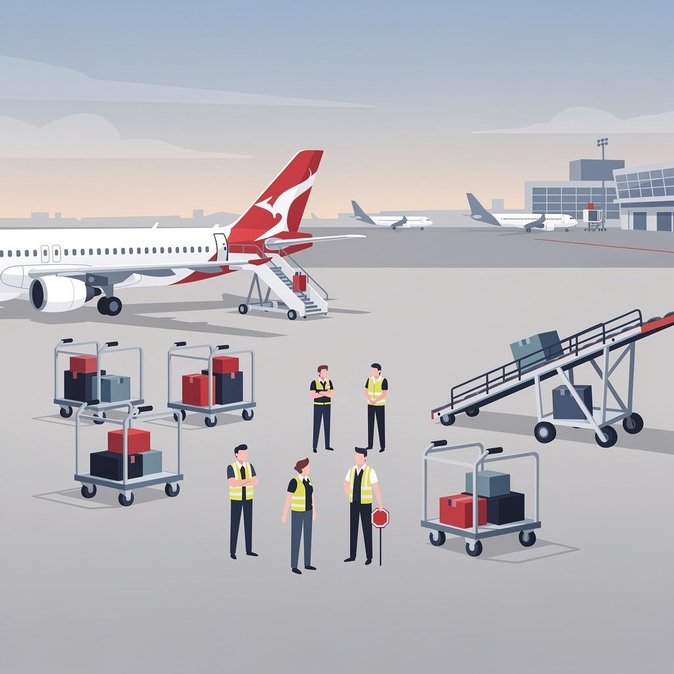
Travellers passing through Australia’s busiest gateways faced long lines and re-timed departures on 26 November after hundreds of Virgin Australia guest-services staff walked off the job for two rolling stoppages. Members of the Australian Services Union (ASU) downed tools for two hours in the morning and again for two hours in the evening at Sydney, Melbourne, Brisbane and Adelaide airports. Check-in, boarding-gate and baggage-desk positions were left unstaffed, forcing the airline to cancel a handful of flights and consolidate others onto larger aircraft. The industrial action stems from stalled enterprise-agreement talks that have dragged on for nine months. According to the ASU, key sticking points are an 18 % pay rise spread over four years, guaranteed minimum hours for part-timers and limits on the use of labour-hire contractors. Virgin Australia says it has offered a 14 % package that “keeps wages ahead of inflation” while protecting the company’s first profit since it exited voluntary administration in 2021. From a mobility perspective, the strike hit just as the summer holiday peak begins, affecting corporate road-warriors and inbound tourists alike. Sydney and Melbourne handled the largest passenger volumes, and disruption at their curfew-constrained airports cascaded throughout the day because many aircraft operate multi-sector ‘triangular’ schedules. Travel-management companies advised clients to build in extra connection buffers and to carry on rather than check luggage where possible. Airports managed to keep security queues moving, but landside congestion built as ride-share vehicles and taxis were forced to circle during the morning peak. Virgin issued a commercial policy allowing fee-free rebooking for passengers due to travel on 26–27 November, and says it does not expect knock-on cancellations beyond Thursday. Nevertheless, the dispute is not resolved; the union has approval for further protected action and warned it could expand stoppages if no deal is reached before Christmas. For global-mobility managers, the incident is a reminder that Australia’s tight labour market is spilling over into the ground-handling sector. Companies with mobile workforces should review contingency plans, including interline agreements, day-rooms near airports and flexibility in client meeting schedules, for the volatile peak-season period ahead.