
IRCC published its latest weekly processing-time update on 26 November 2026, reflecting data current to 25 November. The headline changes include a reduction in average work-permit processing from India to nine weeks (down two weeks), while study-permit estimates for Brazil, Nigeria, the Philippines and Vietnam each increased by one week. Super-visa processing for the Philippines improved sharply—falling by 17 days—offering faster reunification prospects for parents and grandparents. Processing times are calculated either on historical completions or forward-looking projections and are a key planning tool for employers, post-secondary institutions and immigration counsel. Shorter work-permit waits from India will ease onboarding timelines for Canadian technology and engineering firms that rely heavily on the Global Talent Stream and International Mobility Program. Conversely, the incremental rise in study-permit times may oblige universities to advance document-collection deadlines for Fall 2027 admissions. IRCC reiterates that published times are not service standards but encourage applicants to submit complete files to avoid delays. Companies using foreign contractors should track processing-time trends weekly; sudden shifts can jeopardise project start dates and compliance with Labour Market Impact Assessment validity windows. Stakeholders have applauded IRCC’s move toward weekly transparency but continue to advocate for a public dashboard that disaggregates country-level data by programme to aid real-time business forecasting.
Source: IRCC.com
How VisaHQ can help
VisaHQ simplifies the visa application process for individuals and businesses. Check current travel requirements, prepare the required documents and manage your application online through the VisaHQ Canada portal.More From Canada
View all
Back-to-back Pacific and Atlantic storms disrupt Canadian travel; airlines issue flexible rebooking
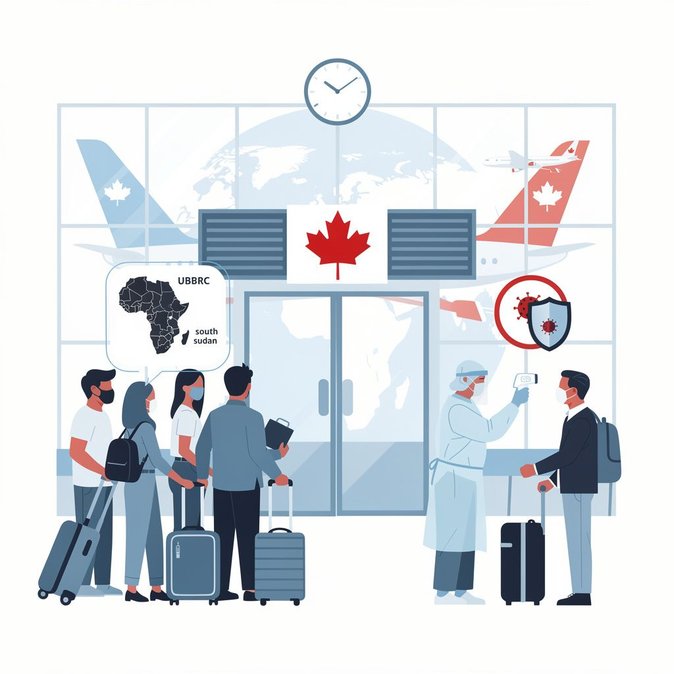
Ebola-related travel restrictions on passengers from DRC, Uganda and South Sudan set to expire 27 Nov 2026