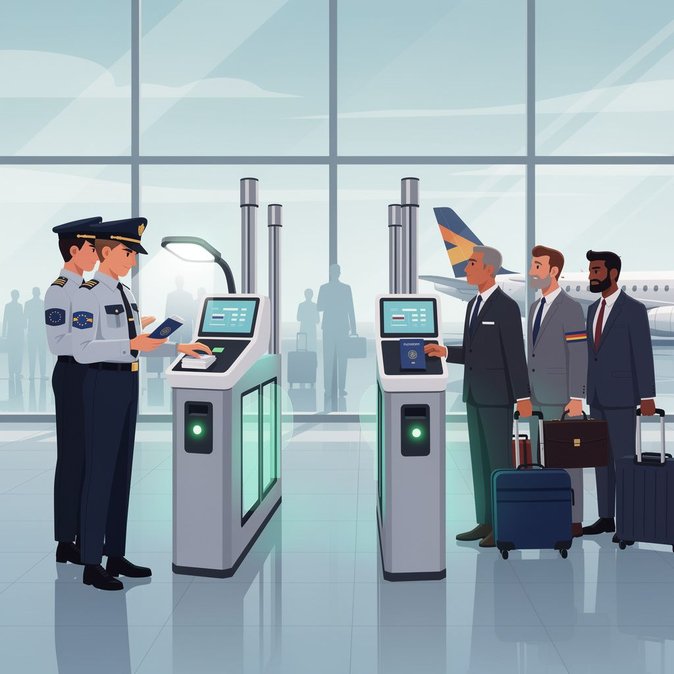
Cyprus is tightening its external-border controls ahead of a hoped-for Schengen accession in 2027. This week, six officers from the Immigration and Aliens Service completed a two-day intensive course on gate-check procedures delivered by trainers from Germany’s Bundespolizei at Larnaca International Airport. Two Frontex officers already seconded to the airport also joined the sessions. The training covered document-fraud detection, behavioural analysis and the use of mobile biometric devices for secondary screening. German and Cypriot officials said the programme is part of a bilateral action plan signed last March to align Cyprus’ airport procedures with Schengen best practice. Participants will now cascade the material to roughly 60 front-line inspectors across Larnaca and Paphos airports. For frequent flyers the benefits could be tangible. Authorities expect that faster, tech-enabled gate checks will shorten queuing times while improving interception of impostors—a growing concern since Cyprus recorded a 22 % rise in irregular-entry attempts via forged EU ID cards in the first half of 2026. Airlines operating late-night departures to the Gulf and Asia were invited to observe the drills and give feedback on passenger-flow implications. Border-management specialists note that Cyprus has spent more than €12 million since 2024 upgrading e-gate hardware and installing EU Entry/Exit System-compliant software. The German-led course is the first to integrate those new tools with profiling techniques pioneered at Frankfurt Airport. In the near term, travellers should expect occasional spot checks as freshly trained teams fine-tune procedures, especially during the busy Christmas period. Corporate travel managers are advised to remind employees to carry the same passport used for their flight booking and to allow a few extra minutes at security until the new routines settle.
Source: Cyprus Inform