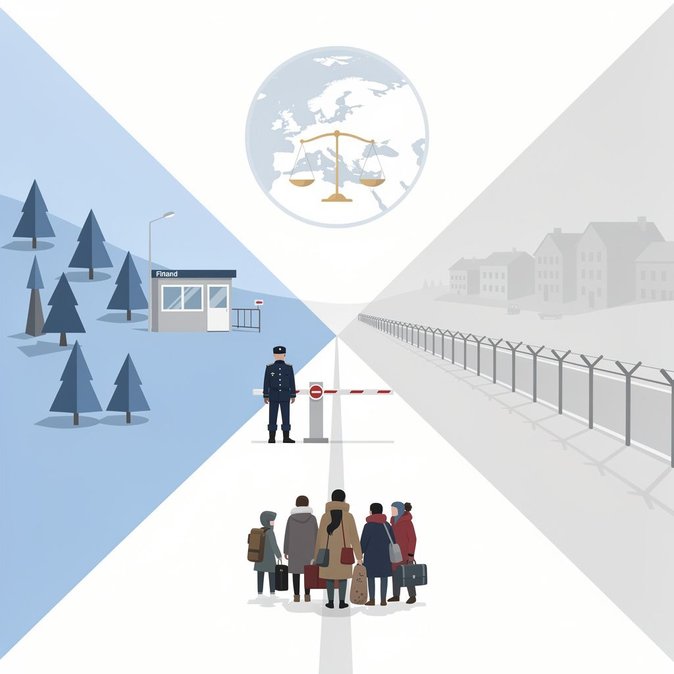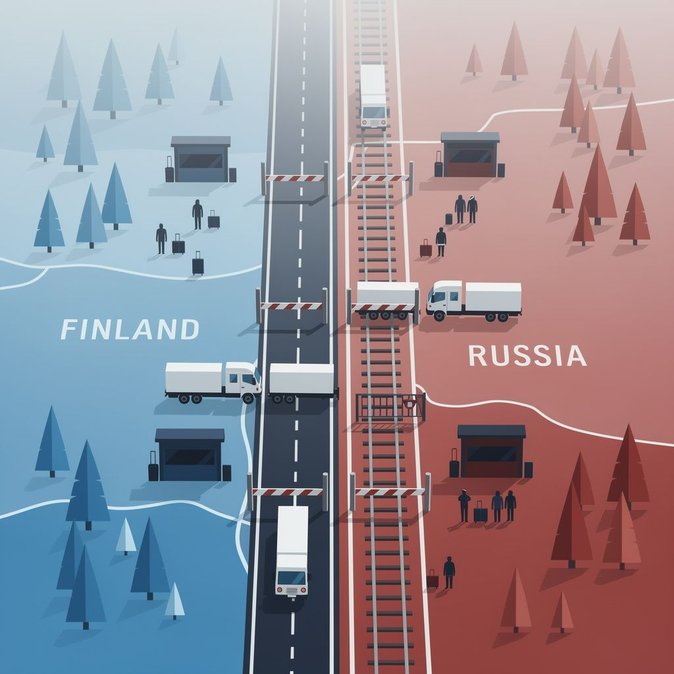
Finland’s Ministry of the Interior confirmed on Thursday, 26 November 2026, that the temporary Border Security Act will be prolonged for a further two years, keeping all eight land-border crossing points with Russia closed until at least 31 December 2028. The Act, first adopted in 2023 at the height of a sudden spike in asylum-seekers arriving via Russia, gives the Government emergency powers to restrict the reception of applications for international protection in designated frontier areas when national security is at risk. Interior Minister Mari Rantanen told reporters that intelligence from the Finnish Border Guard and other agencies shows the threat of “instrumentalised migration” remains high. Helsinki continues to accuse Moscow of deliberately funnelling third-country migrants towards the 1 340-kilometre frontier as retaliation for Finland’s accession to NATO in 2023. Since December 2023, all vehicular and pedestrian crossings on the eastern land border have been shut; travellers must instead use air routes via third countries or the remaining rail link to St Petersburg, which itself has faced periodic closures by Russia. Under the extension, the content of the legislation remains unchanged: the Government may, by separate decision, refuse to accept asylum applications at designated sections of the border and direct applicants to official checkpoints elsewhere, provided such measures are strictly necessary and proportionate. The Interior Ministry stressed that pushbacks would only be used as a last resort and that Finland “remains committed to its international obligations”, but human-rights NGOs have already signalled fresh legal challenges, arguing that prolonged blanket closures amount to a de-facto suspension of the right to seek asylum. For companies moving staff into Finland, the announcement has several practical implications. Road transport between Finland and north-west Russia will stay impossible, which increases logistics costs for Finnish subsidiaries in the Murmansk and St Petersburg regions. Business travellers and project engineers must fly via Istanbul, Belgrade or Dubai to reach Russia, while Russian-based personnel heading to Finnish sites need Schengen visas issued by other EU states or must travel through third-country hubs. Multinationals with rotation staff on both sides of the border should revisit travel-risk assessments, check A1 certification for posted workers, and build extra lead-time into supply-chain planning. Politically, the move signals that the incoming 2027–2028 parliamentary term is unlikely to soften the tough line on Russian mobility. It also dovetails with broader Nordic coordination: Estonia and Norway maintain similarly tight restrictions, and Sweden has just tabled its own “instrumentalised migration” bill. For global mobility managers, the message is clear: expect the eastern flank of the Schengen Area to remain highly regulated for the foreseeable future, with ad-hoc humanitarian exemptions rather than routine business travel flows.
How VisaHQ can help
VisaHQ simplifies the visa application process for individuals and businesses. Check current travel requirements, prepare the required documents and manage your application online through the VisaHQ Finland portal.More From Finland
View all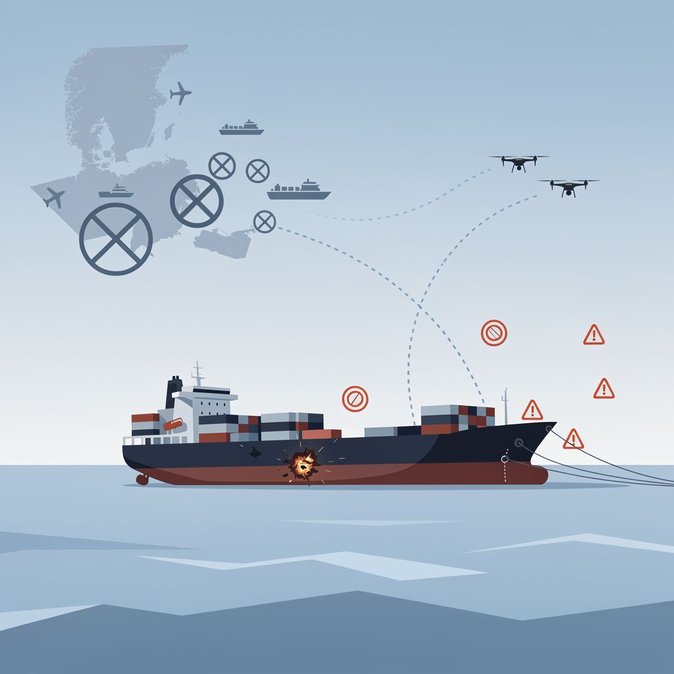
Why Finland let the drone-struck Russian freighter Sparta II sail home – and what it means for maritime mobility

Finland’s Supreme Administrative Court overturns deportation of EU worker on free-movement grounds