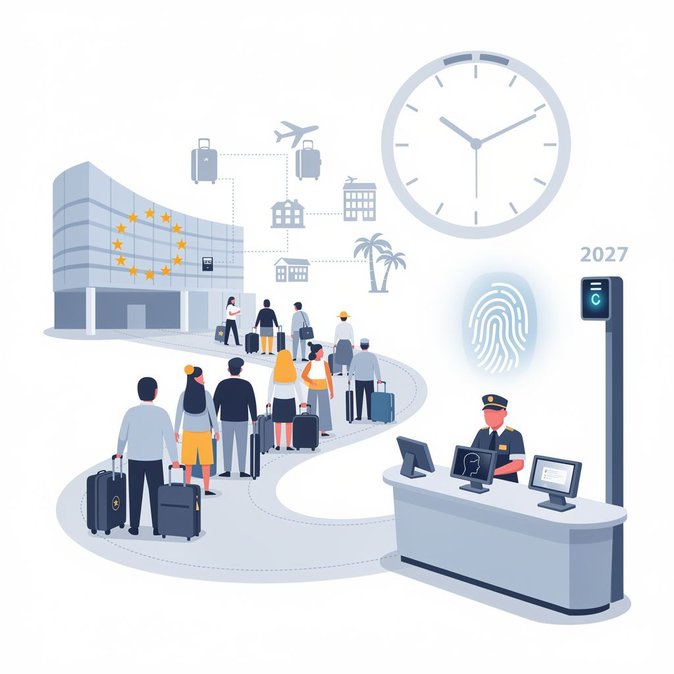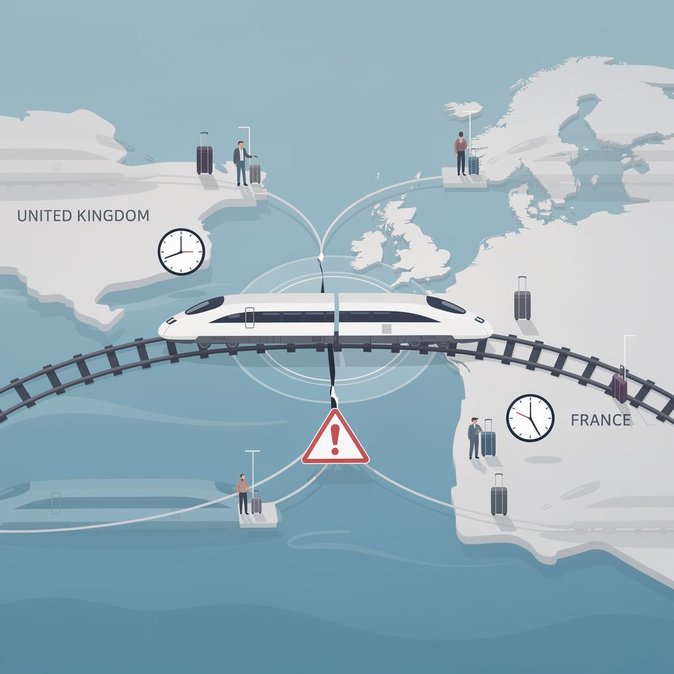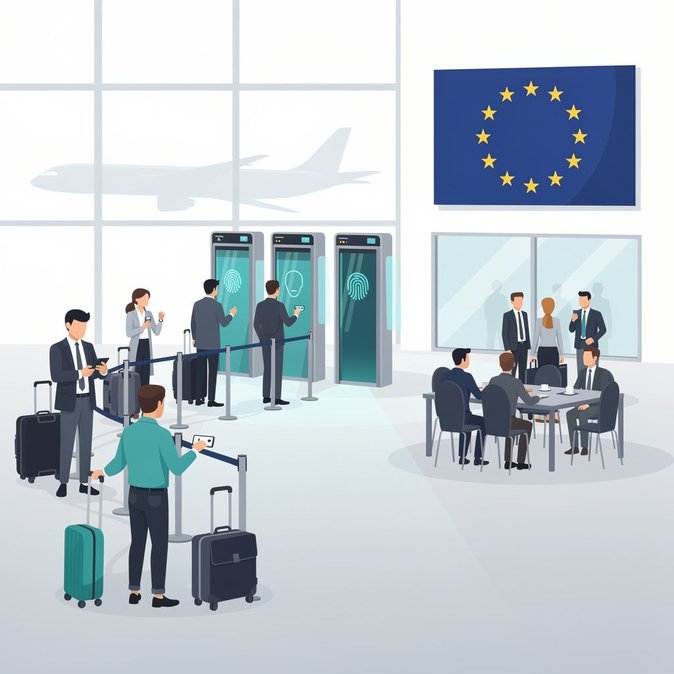
Belgian travel news site Travel Tomorrow amplified the Tourism Manifesto’s warning on 27 November, highlighting how the Entry/Exit System (EES) is already eroding traveller confidence only weeks before the busiest festive season. In an article datelined Brussels, journalist Deborah O’Donoghue summarised the coalition’s open letter and placed it in a local context, noting that Brussels Airport and the port of Zeebrugge have each invested in extra staff and infrastructure yet still fear reputational fallout if queues worsen. The piece drills down into consumer-behaviour data from the World Travel & Tourism Council: while 87 % of passengers might tolerate minor disruption, more than half say their patience has limits, and 63 % would consider a non-Schengen destination if delays became routine. The analysis is sobering for Belgian convention centres and multinational HQs that depend on friction-free access for visiting executives. Crucially, Travel Tomorrow reminds readers that border-control decisions rest with federal interior ministries, not airport operators, meaning there is only so much local managers can do. It also points out a policy disconnect: the EU is simultaneously encouraging post-Brexit business travel by UK nationals while rolling out an IT system that could add 45–120 seconds per passenger. For global-mobility teams, the takeaway is clear: build contingency time into 2027 travel policies and keep pressure on suppliers to offer change-fee waivers until biometric bottlenecks ease.
Source: Travel Tomorrow