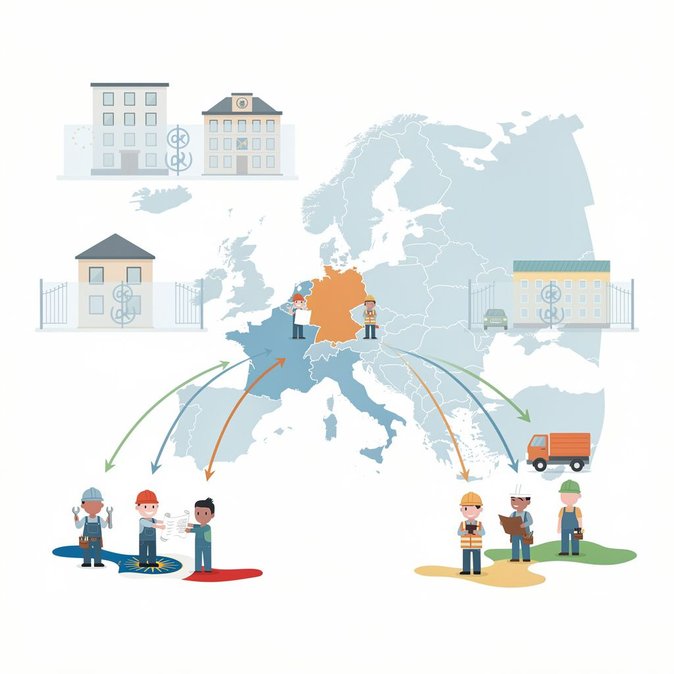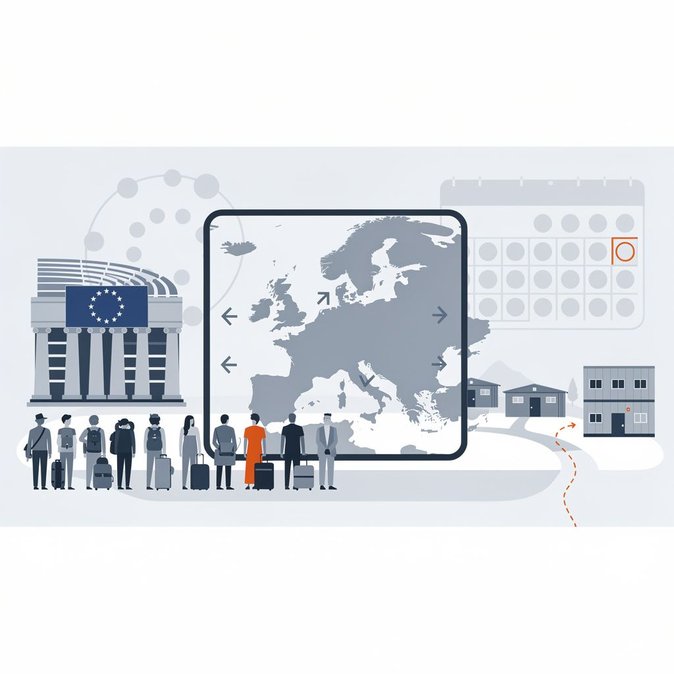
At a press briefing on 26 November, the shadow cabinet of the Civic Democratic Party (ODS) presented a comprehensive 10-point platform for what it calls a “responsible, firmly managed” migration policy. Party chair—and shadow prime minister—Martin Kupka said the Czech Republic should support EU measures that strengthen external-border control but push simultaneously for functional return procedures, including the creation of return centres in safe third countries outside the EU. The plan singles out two priorities of direct interest to employers and mobility managers. First, ODS demands a long-term strategy for legal labour migration that balances labour-market needs with security vetting and greater accountability for recruiters. Second, it calls on the government to draft concrete scenarios for March 2028, when EU-wide temporary protection for people fleeing Russia’s invasion of Ukraine is set to expire. Kupka argued that Ukrainians who have integrated into the workforce and have clean records should receive a pathway to remain. Party migration spokesman—former police general Martin Červíček—criticised what he sees as gaps in the EU migration pact’s solidarity mechanism and insisted Prague must “separate legal and illegal flows with absolute clarity”. While ODS is in opposition, its positions often shape centre-right coalition talks and could become policy if December’s Senate elections tip the balance of power. For corporates, the intervention signals growing political pressure to tighten enforcement against overstayers while safeguarding schemes such as the Highly Qualified Employee and Digital Nomad programmes. HR leaders employing Ukrainian nationals should track forthcoming legislative drafts and consider longer-term residence options (e.g., employee-card extensions or permanent residence) well ahead of the 2028 cut-off. Stakeholders should also watch how the proposal for offshore return centres evolves in Brussels; if adopted, it could alter Dublin-rule responsibilities and affect how companies plan asylum-related family-reunification cases.
Source: ODS Press Release