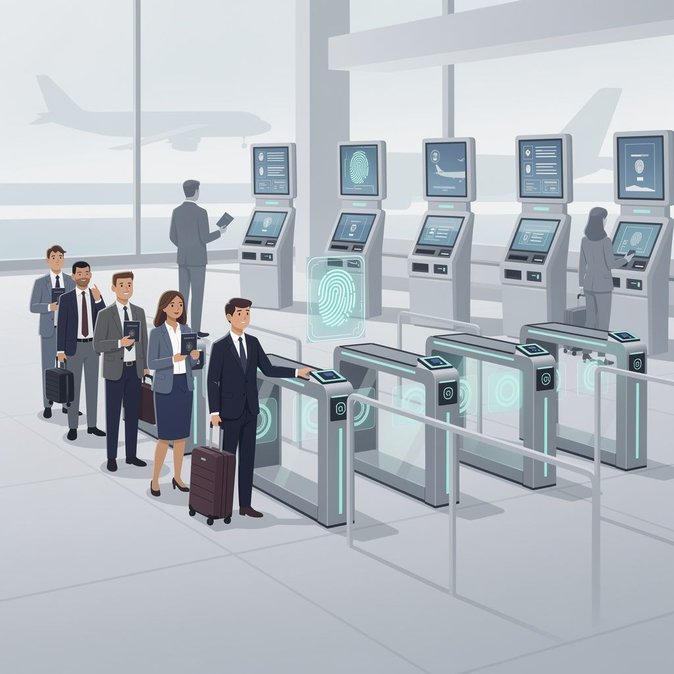
Italy’s busiest intercontinental gateway is at the centre of a Europe-wide row over the new Entry/Exit System (EES). MalpensaNews disclosed on 27 November that the civil-aviation regulator ENAC is considering capping early-morning flight slots next summer after hours-long passport queues paralysed Terminal 1 on peak days. ENAC’s draft capacity cap triggered an unusually sharp letter from ACI Europe director-general Olivier Jankovec to Transport Minister Matteo Salvini and Interior Minister Matteo Piantedosi. The airport association argues that restricting flights punishes airlines and passengers for border-control shortcomings that are the state’s responsibility. Instead, it urges Rome and Brussels to reinstate the waiver—expired on 6 September—that allowed frontline officers to turn off biometric capture when waiting times exceeded set limits. The local dispute coincides with a joint ‘Tourism Manifesto’ released in Brussels on 26 November by more than 80 travel organisations. The statement warns that up to 41 million arrivals and US $45 billion in visitor spending are at risk unless the EU grants member states temporary flexibility on EES checks. For Italy, where tourism contributes 13 % of GDP, the stakes are high: lengthy queues jeopardise the lucrative long-haul market Malpensa was counting on for recovery. Corporate travel managers report missed connections and duty-of-care headaches as travellers are held on aircraft waiting for hall space. Several multinationals have temporarily rerouted staff through Zurich or Munich to avoid delays. Should the capacity cap proceed, airlines must file revised slot requests by mid-January, potentially downgrading frequencies on Chicago, Delhi and São Paulo routes—destinations important for Italy’s export supply chains. What’s next: the Transport Ministry will host a stakeholder round-table in early December. If Rome opts for a political solution—pressing Brussels for a renewed waiver—Malpensa could avoid flight cuts. Either way, mobility teams should brief travellers to allow extra time on arrival and monitor carrier communications for possible schedule changes.
Source: MalpensaNews